


The Royal Commission for AlUla and the French Agency for AlUla Development (Afalula) have announced the launch of the first art residency program at the Saudi heritage site.
The 11-week project, to be operated by Manifesto, aims to foster dialogue, exchange, and collaboration between the artists in residence and the community of experts working on the ground in AlUla, as well as local practitioners and other members of the community, a statement said.
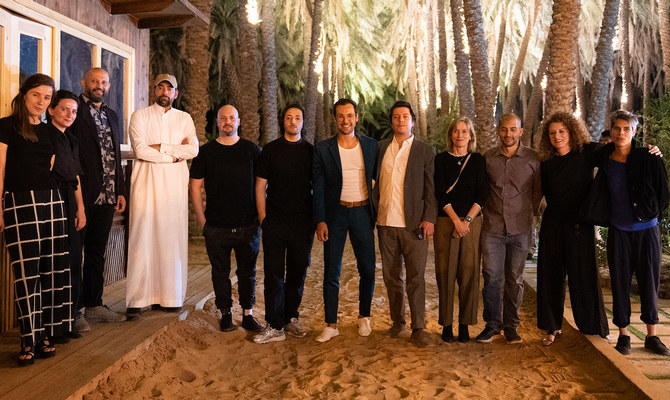
Six artists are currently part of the pilot residency running until Jan. 14.
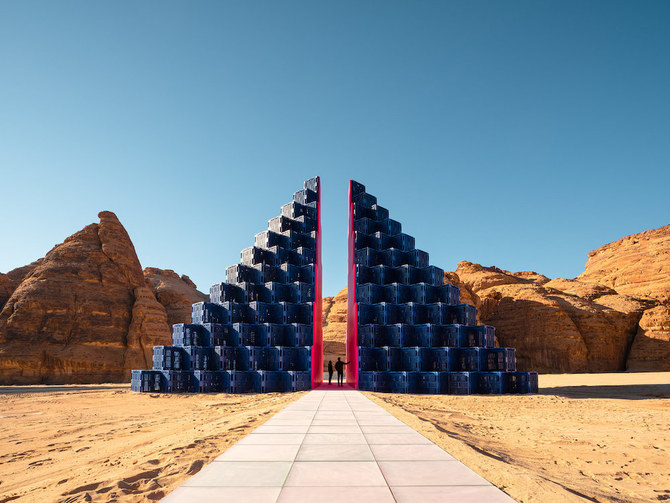
The work of Riyadh-based conceptual artist and arts educator Rashed Al-Shashai, from Saudi Arabia, explores the purpose of human existence and the functions of society with everyday objects and imagery.
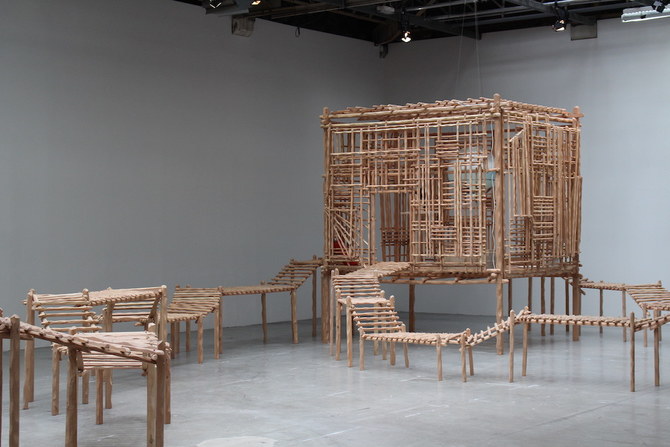
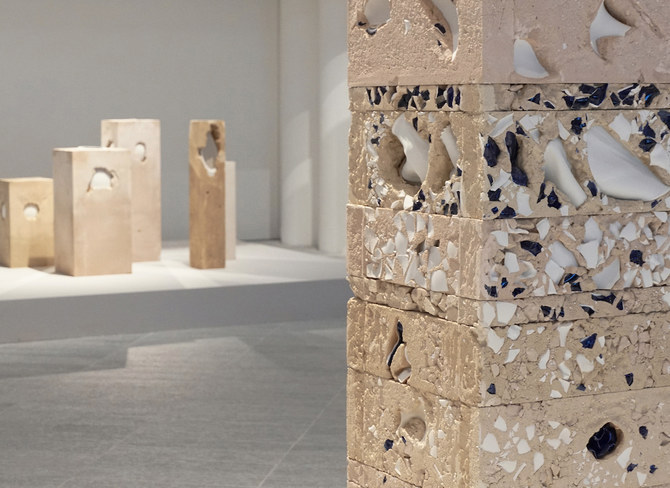
French multidisciplinary artist Sara Favriau, who is based in Paris, produces sculptures, installations, and performances that investigate the very permanence of self, nature, and works of art.
Talin Hazbar, from Syria, works out of Sharjah, in the UAE, and is an architect and visual artist. Her work and processes aim to showcase the overlapping boundaries in nature, history, and ecology.
Paris-based French multimedia artist Laura Sellies finds new ways to understand the relationship between sculptures, people, images, and sounds through her work.
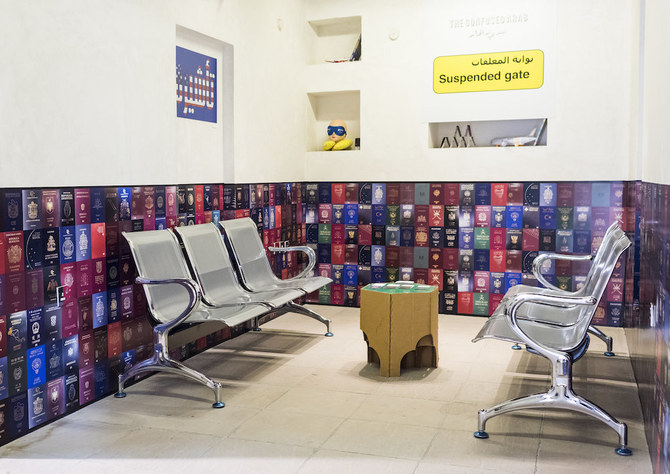
Sofiane Si Merabet, also French but operating from Dubai, is a multimedia artist who interrogates memories, identities, and migration.
And from his base in Riyadh, Saudi multidisciplinary artist Muhannad Shono explores what lies beneath the surface of the human experience.
Nora Al-Dabal, the RCU’s arts and creative planning director, said: “This pilot artist residency is a new milestone in AlUla’s cultural development. Our goal is not only to provide unique cultural experiences for visitors but also to contribute to creating a flourishing cultural ecosystem with a vibrant arts district and space for artists and creatives in AlUla.
“The art residency pilot program will lay solid grounds for such ambition.”
The pilot edition will be based in Mabiti AlUla, a palm grove and guest house in the heart of AlUla’s oasis. It will subsequently be established in Madrasat AdDeera, an arts and design center.
Artists in residence have already started building collaborations with local artisans through programs held at Madrasat AdDeera while delving deeper and focusing their research on the local materials of AlUla, and its craft and cultural practices, the statement added.
It is anticipated that Madrasat AdDeera will become a key anchor asset of the future arts district of AlUla, a dynamic cluster of programs, education, and production that will form an active and vibrant arts destination for communities, students, artists, and visitors.
Afalula scientific director, Jean-Francois Charnier, said: “The originality of this very first art residency program developed in partnership between the Royal Commission for AlUla and the French Agency for AlUla Development relies on the cooperation between international artists with the impressive array of scientific experts currently working in the oasis, including archaeologists, anthropologists, agriculture experts, botanists, and many more.”
Arnaud Morand, Afalula’s head of creation and innovation, said: “It is an unprecedented experiment to associate at this level artistic vision and scientific approaches in the writing of the narratives and the reimagination of a destination.
“This will undoubtedly contribute to further mark the originality of AlUla as a cultural destination of a new kind.”
And Laure Confavreux-Colliex, executive director at Manifesto, said: “We are very proud that Manifesto has been chosen to launch this first artists’ hub in the heart of AlUla’s oasis. We are working on site to make this the very start of a destination truly built by artists.”