Hajj 2021 explained: Jamarat Bridge

1 / 8
The new bridge was designed by Dar Al-Handasah and constructed by the Saudi Binladin Group. (SPA)
2 / 8
The new bridge was designed by Dar Al-Handasah and constructed by the Saudi Binladin Group. (SPA)
3 / 8
The new bridge was designed by Dar Al-Handasah and constructed by the Saudi Binladin Group. (SPA)
4 / 8
The new bridge was designed by Dar Al-Handasah and constructed by the Saudi Binladin Group. (SPA)
5 / 8
The new bridge was designed by Dar Al-Handasah and constructed by the Saudi Binladin Group. (SPA)
6 / 8
The new bridge was designed by Dar Al-Handasah and constructed by the Saudi Binladin Group. (SPA)
7 / 8
The new bridge was designed by Dar Al-Handasah and constructed by the Saudi Binladin Group. (SPA)
8 / 8
The new bridge was designed by Dar Al-Handasah and constructed by the Saudi Binladin Group. (SPA)
Short Url
Updated 20 July 2021
Follow

Hajj 2021 explained: Jamarat Bridge

  • Construction of the bridge started in early 2000, with the ground level and one bridge level that had three openings that led to the pillars

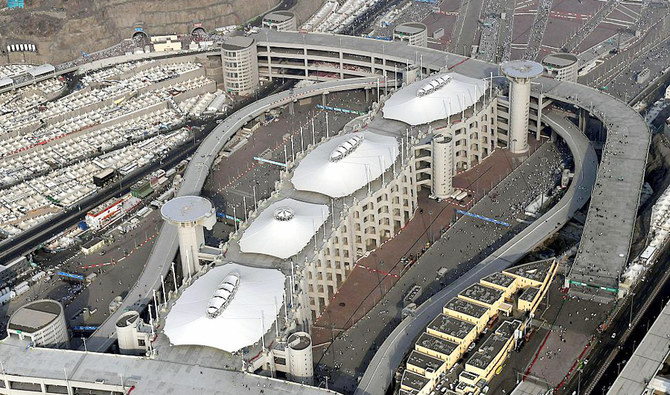
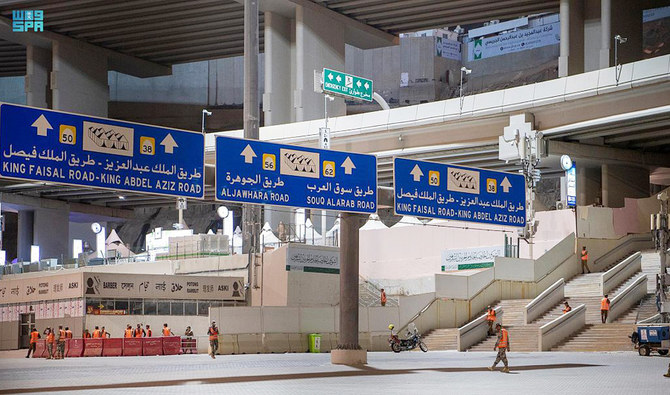
MINA: Jamarat Bridge is a pedestrian bridge in Mina, Makkah. It is used by pilgrims during the Hajj pilgrimage for two or three days.

The bridge enables pilgrims to perform the Hajj ritual “Stoning of the Devil,” which takes place from the 10th day until before the sunset of the 13th day of the month Dhu Al-Hajjah.

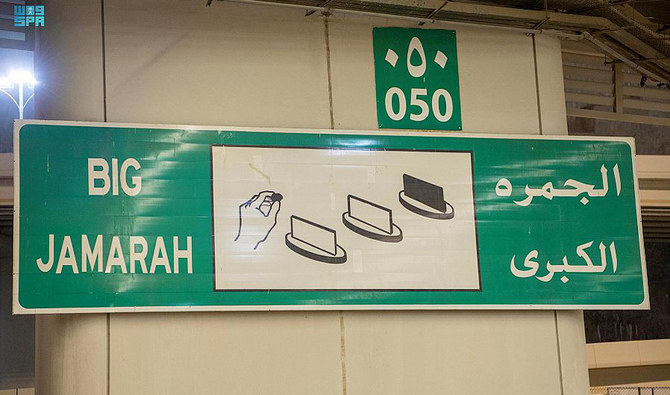
The “Stoning of the Devil” is a ritual where pilgrims throw stones at the three Jamrah pillars, either from the ground level or from the bridge. Jamrah is the singular of Jamarat, the Arabic term for small pieces of stones or pebbles.
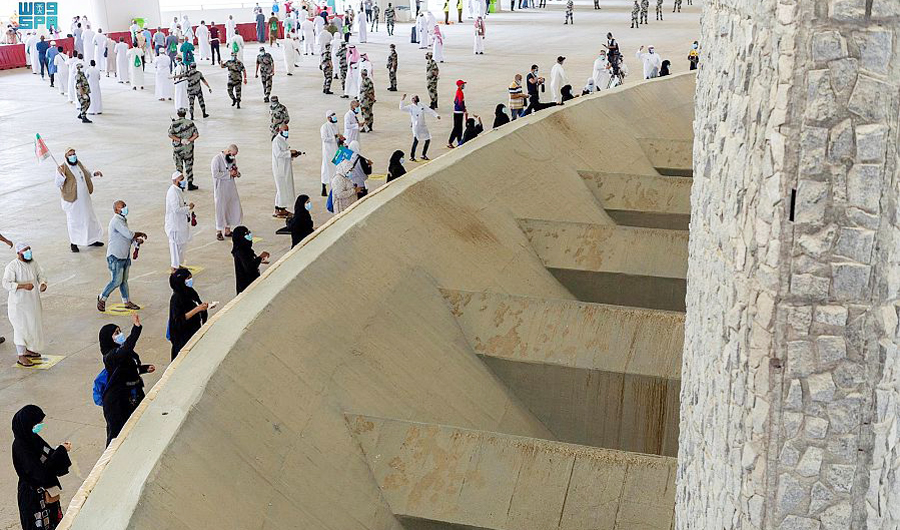
Construction of the bridge started in early 2000, with the ground level and one bridge levelthat had three openings that led to the pillars. However, the limited space resulted in fatal accidents, with more than 1 million people gathering in the area of the bridge in total each year.

In 2006, the bridge was demolished and construction expanded to build a new four-story bridge, which temporarily stopped after the ground and first levels were completed. Construction on the remaining two levels has been completed since December 2007.

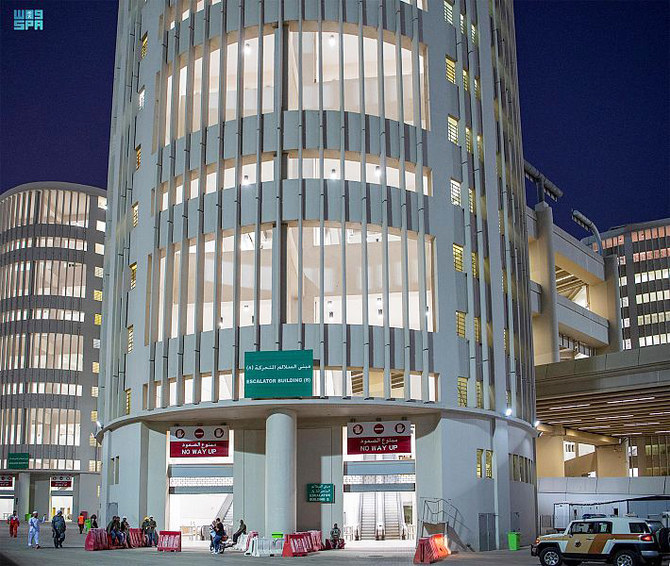
The new bridge was designed by Dar Al-Handasah and constructed by the Saudi Binladin Group. It contains a wider column-free interior space, longer Jamrah pillars, additional ramps and tunnels for easier access, large canopies to cover each of the three pillars to protect pilgrims from the desert sun, and ramps adjacent to the pillars to speed up evacuation in the event of an emergency.

The efficiency of the bridge had improved, and the structure can now handle 500,000 to 600,000 people per hour instead of the previous 200,000.


Saudi Arabia, India agree on mutual short-stay visa exemptions to boost bilateral exchanges

Updated 18 December 2025
Follow

Saudi Arabia, India agree on mutual short-stay visa exemptions to boost bilateral exchanges

  • Agreement makes official travel easier between the 2 countries

RIYADH: In a significant move to cut through bureaucratic procedures, Saudi Arabia and India have signed a bilateral visa waiver agreement, with both countries agreeing on mutual short-stay visa exemptions to facilitate official travel and boost bilateral exchanges.

Indian Ambassador to Saudi Arabia Suhel Ajaz Khan and Abdulmajeed bin Rashed Alsmari, the deputy minister for protocol affairs at the Saudi Ministry of Foreign Affairs, signed the agreement — the latter on behalf of Foreign Minister Prince Faisal bin Farhan — at the ministry’s headquarters in Riyadh on Wednesday.

“The agreement will facilitate official travel and boost bilateral exchanges under the India-Saudi Arabia Strategic Partnership Council,” Khan told Arab News.

The agreement provides mutual exemption from short-stay visa requirements for holders of diplomatic, special and official passports from both countries.

It signifies a step forward in bilateral relations, making official travel easier for government, diplomatic and special envoys, and reflects the growing trust and cooperation between the two countries.

The deal is expected to streamline the movement of officials between the Kingdom and India and strengthen cooperation across various sectors under the strategic partnership framework established between the countries.