

RIYADH: A major transformation is underway in Saudi Arabia’s economic and cultural relationship with Russia, said top experts and diplomats.
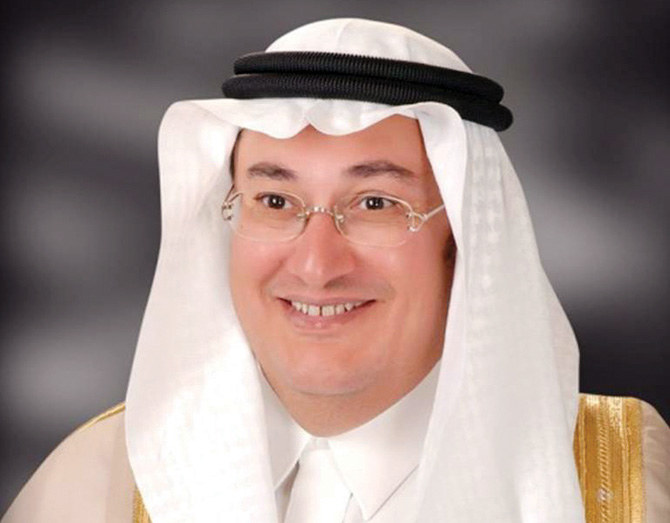
According to Saudi Ambassador to Russia Dr. Rayed Krimly, there is a growing interest by the Russian business community to explore Saudi markets and open new avenues for trade and investment.
“Bilateral trade rose by 86 percent in 2017, and further increased by 49 percent in 2018,” he said.
Krimly said that both Saudi Aramco and SABIC are considering investing in Russian gas and energy projects. He added that there will be a large Russian delegation at this year’s Future Investment Initiative.
“Cooperation in the fields of investment, trade and energy is expanding all the time,” he said.
Saudi Arabia is involved with several Russian investment projects. In housing and urban development, the Kingdom has invested in the construction of a technopark on the former “Tushino” aerodrome territory.
Another Saudi investment project is a waste-to-energy program to provide electricity for 1 million people, implemented jointly with Hitachi and the Rostec State Corp. The project aims to reduce waste dumping in the Moscow region by 30 percent.
The Kingdom has also partnered with China, Kuwait, Bahrain and the UAE to develop transport infrastructure in Moscow and St. Petersburg. The northern bypass for Kutuzovsky Avenue, a major radial road in Russia’s capital, will reduce time spent in traffic by 6.9 million vehicle hours annually while the length of congested road sections will be cut by 72.2km.
Speaking on the sidelines of the Russia Energy Week summit in Moscow, Kirill Dmitriev, CEO of the Russian Direct Investment Fund (RDIF), told Arab News that there would be new business deals in oil, agriculture, tourism and petrochemicals.
HIGHLIGHTS
• Bilateral trade rose by 86 percent in 2017, and further increased by 49 percent in 2018.
• Saudi Arabia is involved with several Russian investment projects including construction of a technopark and a waste-to-energy program to provide electricity for 1 million people.
• The Kingdom recently increased the number of Russian pilgrims for Hajj and Umrah by 5,000.
• The Saudi Ministry of Culture is also developing several programs of cooperation with Russia.
“We are going to be signing more than 10 new investment agreements between Russia and Saudi Arabia,” he said.
“One example is a joint investment with Saudi Aramco in Novomet, in order to supply pumps to Saudi Aramco, which will be investing with RDIF in this company,” he added.
Ties have been strengthened by the large Muslim communities in Russia. According to the Saudi Embassy in Moscow, there are more than 20 million Russian Muslims, making up about 14 percent of the country’s total population.
Zarina Doguzova, head of Russia’s Federal Agency for Tourism, said the Kingdom recently increased the number of Russian pilgrims for Hajj and Umrah by 5,000, bringing the total visiting for pilgrimage to 25,000.
The Saudi Ministry of Culture is developing several programs of cooperation with Russia.
Saudi Minister of Culture Prince Badr bin Farhan Al-Saud has visited Russia twice, first in November last year, where he posted a selfie with Russian President Vladimir Putin on his Twitter account during the 7th St. Petersburg International Cultural Forum.
The forum, which ran between Nov. 15 and 17, was held under the theme “Culture as a Strategic Potential of the Country,” was attended by visitors from 101 countries.
The second visit was in May, where he met his Russian counterpart Vladimir Medinsky and Deputy Prime Minister for Sports, Tourism and Culture Olga Golodets. They discussed ways in which Saudi-Russian cultural relations can be enhanced.


