ANKARA: With anti-Daesh operations in Syria coming to an end, the US will focus on holding territory instead of arming the Syrian-Kurdish People’s Protection Units (YPG), Defense Secretary Jim Mattis said Friday.
“The YPG is armed, and as the coalition stops offensive (operations), then obviously you don’t need that,” he said.
“You need security, you need police forces, that’s local forces, that’s people who make certain that ISIS (Daesh) doesn’t come back.” Mattis made clear the US will stop arming the YPG, its main local partner in Syria.
Last week, in a phone call between US President Donald Trump and his Turkish counterpart Recep Tayyip Erdogan, the former reportedly said Washington will stop supplying weapons to the YPG.
Ankara considers the YPG a terrorist group and a national security threat due to its close ties to the outlawed Kurdistan Workers’ Party (PKK), which has fought against the Turkish state for more than three decades. The US considers the PKK a terrorist group, but not the YPG.
Washington’s military support for the YPG has been a major source of tension between the US and Turkey. The main concern is that weapons supplied to the YPG will end up in PKK hands in Turkey.
“Mattis’ statement, which confirms the conversation between Trump and Erdogan, isn’t insignificant, but it’s no game-changer either,” Ozgur Unluhisarcikli, Ankara office director of the German Marshall Fund of the United States, told Arab News.
American support for the YPG is only one issue of contention between the US and Turkey, and providing arms is only one of the ways in which Washington has supported the YPG, alongside providing training and protection, he added.
“The US has already provided large amounts of heavy and light weaponry to the YPG, and even without further shipments, it will remain heavily armed unless the US can recollect most of those weapons,” he said.
“If the US decides to recollect most of the weapons and withdraw its protection of the YPG, the impact on relations with Turkey will be very positive, but the first option isn’t easy and the second one unlikely.”
Mete Sohtaoglu, an Istanbul-based researcher on Middle East politics, said the heavy weaponry provided by the US to the YPG will be recollected starting in January 2018.
“But it’s difficult to recover AK-47 rifles, and Turkey is likely to declare this a reason for war and a threat to its national security and borders as of 2018,” Sohtaoglu told Arab News.
The US will leave civilian construction vehicles such as cranes, bulldozers and trucks in the region to help locals with post-Daesh reconstruction, but military vehicles will be dispatched to Iraq, he added.
The motivation behind the US drive to maintain its military presence in the region is not to support the YPG, but to accelerate the departure of Syrian President Bashar Assad and to have a final say in the settlement of the conflict, Sohtaoglu said.
“The US never attributed any political connotation to the YPG other than military cooperation to fight Daesh,” he added.
“But if Syrian Kurds are denied their federal plan in northern Syria, the question is whether they’ll become the PKK of Syria with the arms they’ve already been provided.”
In November, Kurds in northern Syria voted for local councils. This will be followed in January by the election of a federal Parliament for the region.


![]()
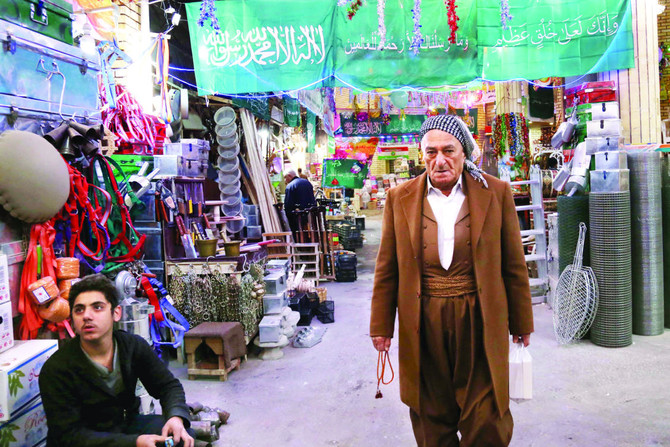
US to shift focus in Syria away from arming YPG
US to shift focus in Syria away from arming YPG

Latest updates


© 2026 SAUDI RESEARCH & PUBLISHING COMPANY, All Rights Reserved And subject to Terms of Use Agreement.