- Saudi Arabia’s producer prices rose 6.6% year-on-year in September due to higher manufacturing costs and increased utility prices.
- The Producer Price Index reached 110.04 in September, up from 108.15 in August and 103.24 a year earlier.
RIYADH: Saudi Arabia’s producer prices rose 6.6 percent year on year in September, driven by higher manufacturing costs and increases in utility-related prices, official data showed.
The Producer Price Index stood at 110.04 in September, compared with 108.15 in August and 103.24 a year earlier, according to data from the General Authority for Statistics.
The increase comes amid continued regional geopolitical tensions that have disrupted energy supplies, shipping routes and trade flows, putting pressure on production and transportation costs across the Middle East.
The World Bank said in October that the conflict had intensified inflationary pressures across the region, particularly through higher import and shipping costs, while the International Monetary Fund highlighted the impact of trade disruptions and rising prices of essential goods on Gulf economies.
Saudi Arabia’s broader inflation environment, however, remains relatively contained. Annual consumer inflation eased to 1.7 percent in October, down from 1.9 percent in September, matching the rate recorded in April.
In its latest report, GASTAT stated: “The annual increase (in PPI) was driven by a 7 percent rise in manufacturing prices, a 2.2 percent increase in prices of electricity, gas, steam, and air-conditioning supply, and a 3.4 percent increase in prices of water supply, sewerage and waste management activities.”
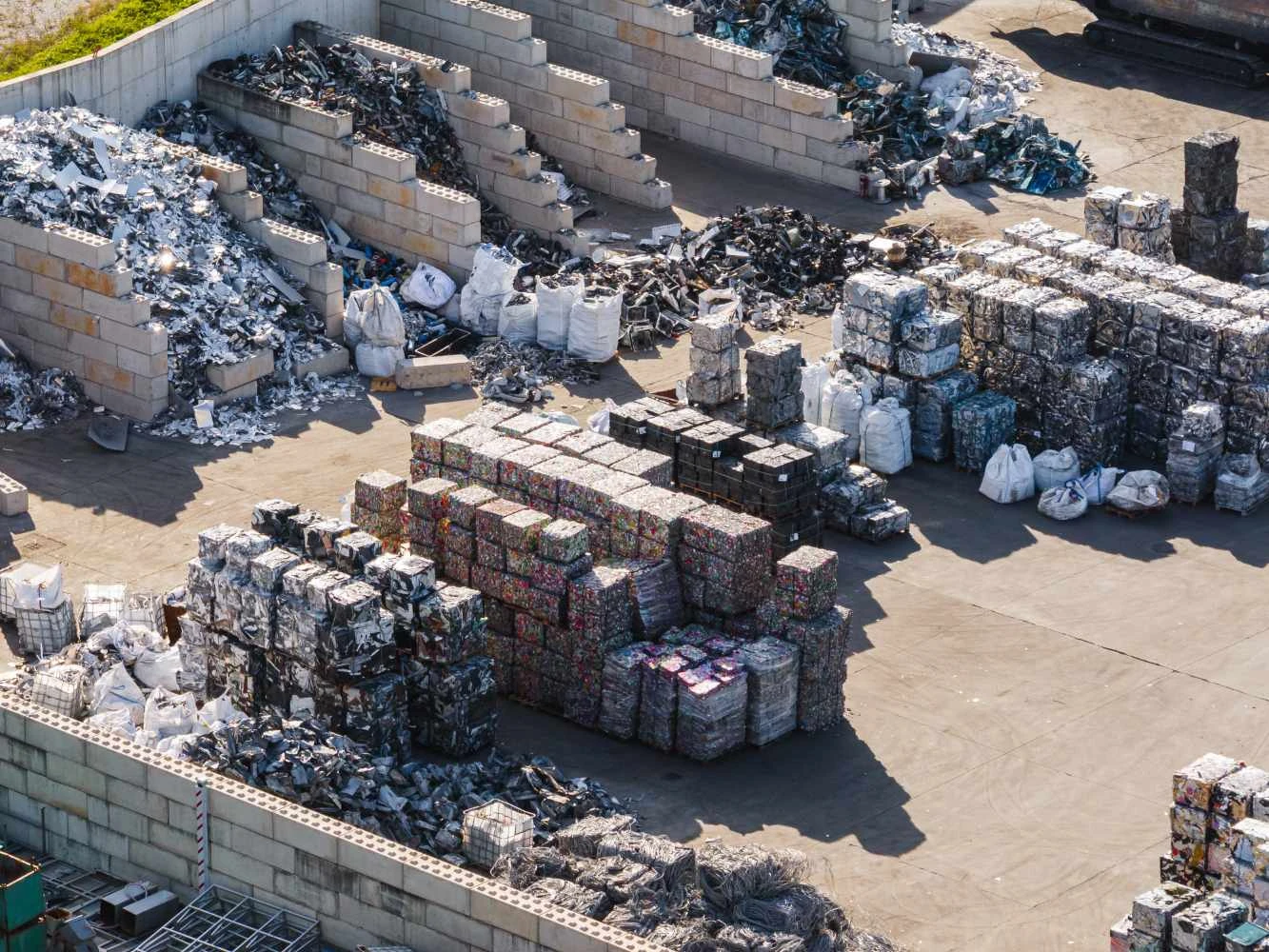
Within the manufacturing sector, prices of wearing apparel increased by 12.3 percent, chemicals and chemical products by 12.2 percent, basic metals by 9.5 percent, refined petroleum products by 8.4 percent, and food products by 6.1 percent.
Conversely, prices of fabricated metal products, excluding machinery and equipment, declined by 3 percent, while prices in other economic activities fell 3.7 percent.
“The manufacturing sector is a key pillar of Vision 2030, with plans to growth local production and number of factories, to further drive advanced manufacturing, and to go more downstream in manufacturing and ultimately export high-value add products,” Amer Hage Chahine, partner at Arthur D. Little, told Arab News.
He said the increase in producer prices reflects pricing dynamics rather than necessarily indicating broader gains in industrial output or productivity.
“However, Saudi Arabia has been building a more diversified and resilient industrial base with focus on key sectors including chemicals, basic metals, food processing, and other key strategic sectors for the country,” said Chahine.
Localization programs, advanced manufacturing initiatives and closer integration between the energy, industry and mining sectors are supporting the transition, he added.
Monthly price momentum
On a monthly basis, the PPI increased 1.7 percent in September compared with August, reflecting higher prices across several manufacturing activities.
Prices of refined petroleum products rose 3.7 percent during the month, while chemicals and chemical products increased 2.9 percent. Food products gained 0.7 percent and other economic activities edged up 0.2 percent.
The increases were partly offset by declines in textile prices, which fell 4.3 percent, and electrical equipment, which dropped 2.6 percent.
Chahine said the monthly increase pointed to stronger price momentum in some industrial segments, although performance varied across activities.
“These results highlight prices fluctuations in key selected sectors and not necessarily a strong domestic demand or output per sectors. However, it is important to note that there is a strong domestic industrial activity and a strong push to further diversify the economy and further develop and growth the industrial base in Saudi Arabia,” he added.