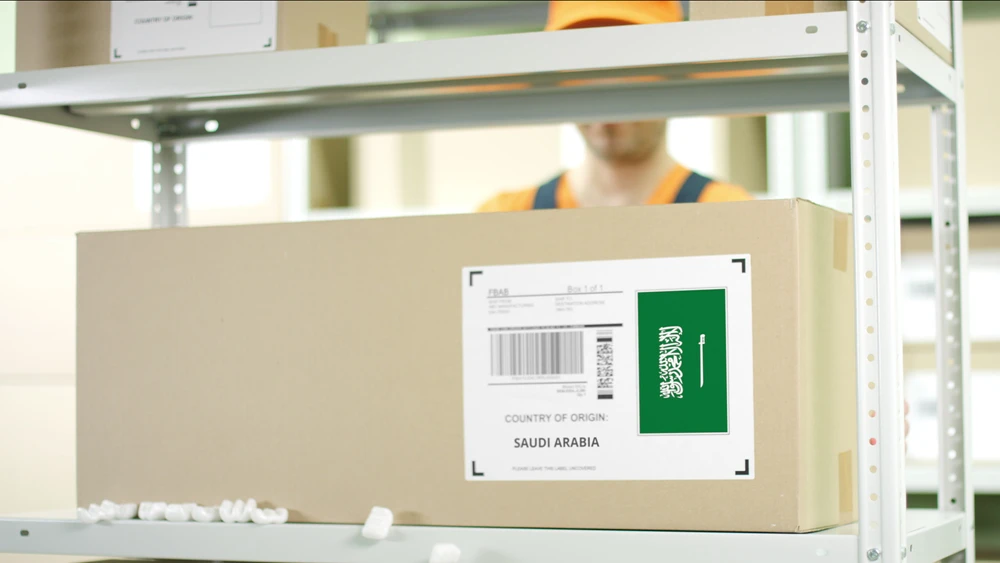
- In October, Saudi Arabia's Ministry of Industry and Mineral Resources issued 55,965 certificates of origin to facilitate export procedures.
- From January to October 2026, approximately 492,650 certificates were issued, averaging around 49,300 per month.
RIYADH: Saudi Arabia’s Ministry of Industry and Mineral Resources issued 55,965 certificates of origin in October to facilitate export procedures and support businesses across various sectors.
Across the first 10 months of 2026, the ministry issued approximately 492,650 of the documents, averaging around 49,300 per month.
Monthly issuance ranged from 43,077 in May to a peak of approximately 58,000 in September.
The ministry issued 46,871 certificates in January, 50,145 in April and 52,895 in August, before reaching the September high.
The certificate confirms products exported abroad are of national origin or have acquired national origin status.
The ministry’s service targets industrial facilities, the commercial sector of companies and establishments, and the individual sector, which includes farmers, fishermen, sole proprietors, local craftsmen, and others.
The ministry said the certificate is issued in four forms. The first covers national products from Gulf Cooperation Council member states, while the second applies to national products from Arab countries.
The third is the preferential certificate of origin, which is the unified GCC form used when exporting to countries and economic blocs with which free trade agreements have been concluded.
The fourth is a certificate of origin in Arabic and English for countries that do not grant preferential treatment, known as the general form.
To obtain a certificate of origin, beneficiaries can submit their applications through the ministry’s website.
The ministry’s figures come as the Kingdom’s national non-oil exports continue to grow.
According to preliminary data from the General Authority for Statistics, national non-oil exports, excluding re-exports, rose to SR18.32 billion ($4.89 billion) in August, up 17.8 percent from July and 8.5 percent from a year earlier.
Re-exports fell 13.1 percent month on month and 34 percent year on year to SR7.84 billion, which pulled total non-oil exports, including re-exports, down 9.1 percent year on year.