- GCC economies have demonstrated resilience by diversifying supply routes and maintaining operations despite disruption from the Middle East conflict.
- Government financial reserves and access to international capital markets have sustained activity and eased financing pressures in the GCC.
RIYADH: Gulf Cooperation Council economies have shown considerable resilience in adapting to disruption caused by the Middle East conflict, with businesses diversifying supply routes and maintaining operations despite an uneven recovery across countries and sectors, according to PwC Middle East.
The consultancy’s latest Middle East Economy Watch said government financial reserves, continued access to international capital markets and well-capitalized banks had helped sustain activity and ease immediate financing pressures.
Non-oil business surveys indicated renewed expansion across several markets in the third quarter, particularly in services supported by domestic demand.
The International Monetary Fund’s October projections, cited by PwC, put GCC economic growth at 9.1 percent in 2027, following a forecast contraction of 4.8 percent in 2026. Non-oil gross domestic product is forecast to grow by approximately 4.5 percent next year.
“The outlook for 2027 points to a significant recovery, although much will depend on the pace at which shipping and production are restored,” said Richard Boxshall, PwC’s global economics leader and Middle East chief economist.
Recovery outlook
The initial disruption was concentrated in energy. GCC crude oil production fell by roughly 40 percent between February and April, according to the report.
Production and exports have subsequently begun recovering, although progress varies according to producers’ access to alternative export routes.
“Sectors supported by domestic demand have generally held up better, while aviation, tourism and logistics face a longer recovery as connectivity and confidence are gradually restored,” said Jing Teow, partner in economic policy and strategy at PwC Middle East.
PwC said a durable settlement before the end of 2026 could bring the recovery forward by one or two quarters. Conversely, prolonged shipping disruption extending into the second half of 2027 would increase operating costs and delay recovery in internationally exposed sectors.
Investment priorities
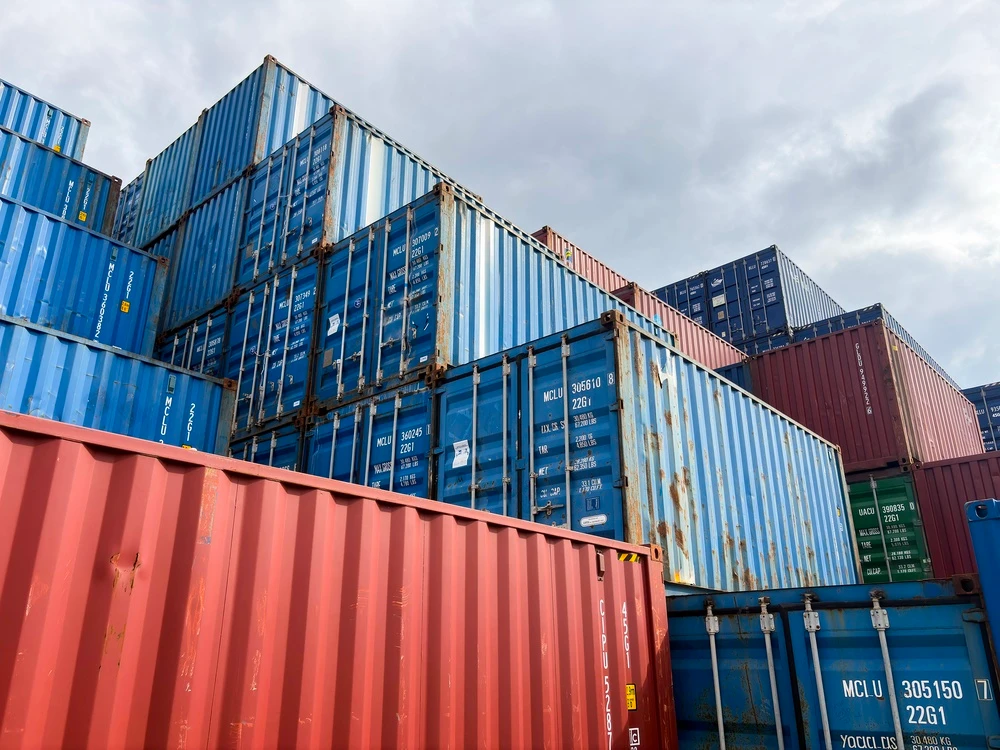
The report said the conflict had exposed the costs of relying heavily on individual shipping corridors, strengthening the case for investment in alternative transport networks, logistics infrastructure, storage capacity and diversified supply chains.
The World Bank’s October regional update similarly warned that damaged infrastructure, postponed investment and depleted fiscal buffers could weigh on growth beyond the immediate shock.
PwC identified restoring international connectivity and completing critical transport and logistics infrastructure as priorities for policymakers.
Maintaining productive public investment could support domestic activity where fiscal conditions allow, while rebuilding financial buffers would improve readiness for future disruptions.
For businesses, investment and expansion decisions should reflect differing recovery speeds across sectors and markets.
Companies should assess demand, operating costs and supply-chain exposure against multiple outcomes while retaining sufficient financial flexibility to respond if conditions deteriorate.