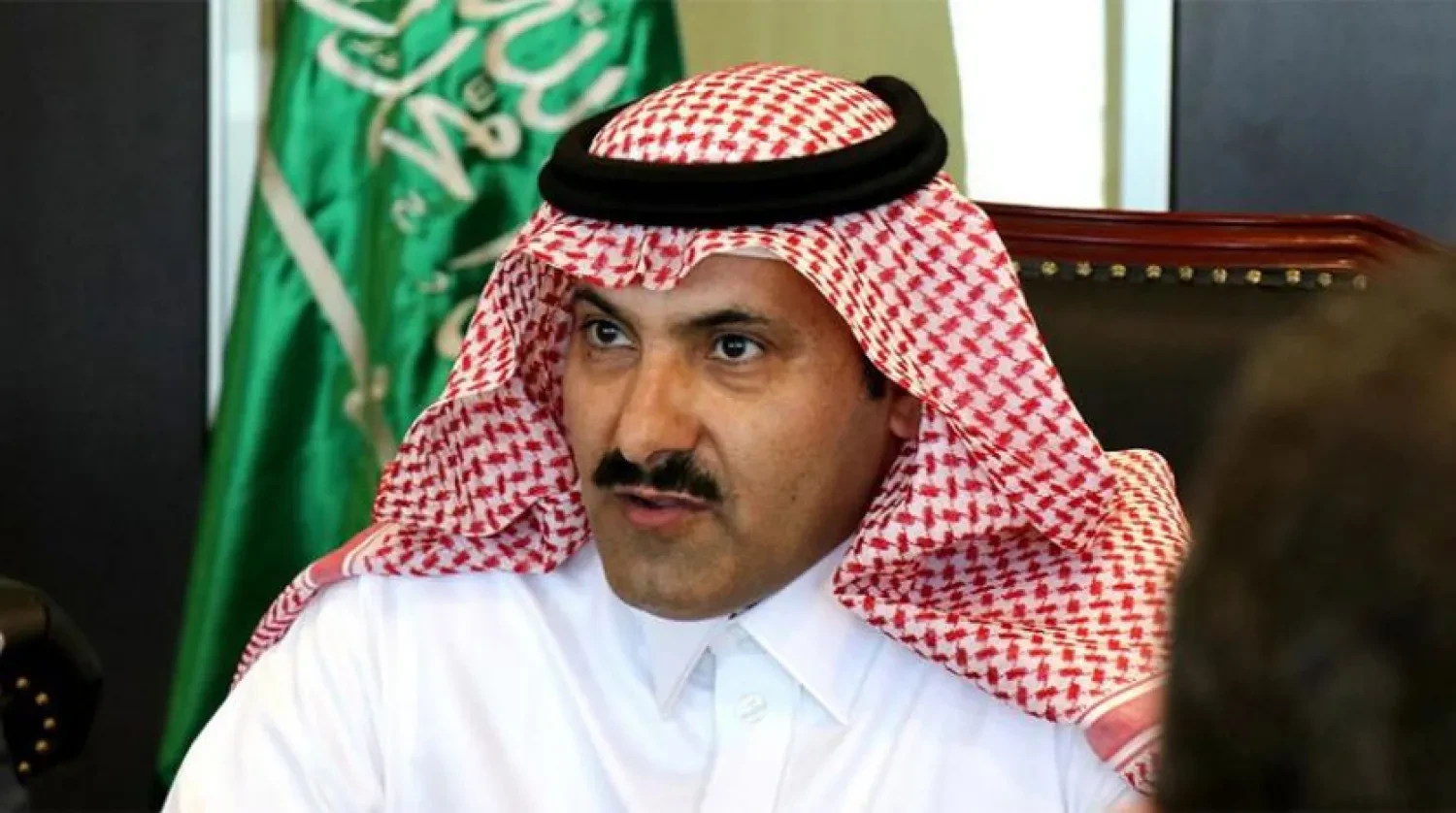
- Iran-backed militia diverts state revenues to finance attacks against the Yemeni people, Saudi Arabia and commercial shipping, says Ambassador to Yemen Mohammed Al-Jaber
- Result is ‘an exhausted nation and a population forced to bear the consequences of a project that serves foreign agendas and endless extremist military adventures,’ he adds
RIYADH: The Saudi ambassador to Yemen, Mohammed Al-Jaber, on Tuesday accused the Houthis of exploiting the humanitarian and economic crises in the country to finance their military operations and obstruct peace efforts.
In a message posted on social media platform X, he said the Iran-backed militia had diverted state revenues, including taxes, customs duties and telecommunications income, to fund attacks against the Yemeni people, Saudi Arabia and commercial vessels in international waterways, while failing to pay public-sector salaries or provide basic services in parts of Yemen under its control.
The ambassador highlighted the situation in Taiz, where Yemeni government forces have been battling an intensified Houthi offensive. He accused the militia of besieging civilians in the city and blocking their access to food and medicine.
“Yemen does not belong to the Houthis, and Taiz will not remain hostage to their agenda,” he said.
Al-Jaber cited a report published in 2024 by a UN Panel of Experts that documented the use of telecommunications networks by the Houthis to raise funds for their drone and coastal defense forces by sending out millions of text messages to subscribers.
The experts also found that Houthi authorities had collected about 994 billion Yemeni riyals ($4.2 billion) in customs duties on fuel imports passing through ports they controlled between April 2022 and June 2024. Taking additional fees and profit margins into account, the panel estimated the militia’s total revenue from the fuel sector was 1.34 trillion Yemeni riyals during that period.
In addition, Al-Jaber said, the Houthis generated $2 billion annually from smuggled oil, according to a US Department of the Treasury press release in January. He accused the militia of channeling these revenues, and other state resources, into military activities instead of funding for public services.
“The Houthis’ practices reveal a recurring pattern of exploiting crises as instruments of political pressure before portraying themselves as victims and disregarding their responsibility for their own decisions,” Al-Jaber wrote.
The result of the militia’s actions, he added, was “an exhausted nation and a population forced to bear the consequences of a project that serves foreign agendas and endless extremist military adventures.”
He accused the Houthis of evading their commitments under Yemen’s National Dialogue and a UN-backed road map for peace, dragging the country into regional conflicts and then exploiting “the suffering of Yemenis while accusing others of obstructing peace.”
Al-Jaber rejected Houthi claims of a blockade on Yemen, noting that ports in Houthi-controlled Hodeidah continued to receive shipments of food, medicine, fuel and commercial goods.
He cited the seizure by the Houthis of four Yemenia Airways aircraft in June 2024 as an example of their obstruction of peace efforts, and blamed the militia for disrupting operations at Sanaa International Airport and, ultimately, contributing to the destruction of the airport and all four aircraft by Israeli airstrikes in May 2025.
The Houthis have rejected or imposed conditions on subsequent proposals to restore flights, including an initiative for the leasing of aircraft, and a Jordanian proposal to operate services between Amman and Sanaa.
Al-Jaber’s comments came as renewed fighting between Yemen’s internationally recognized government and the Houthis continues, including escalating attacks on government-held areas in Yemen, as well as a series of strikes this month against civilian targets in Saudi Arabia, including King Khalid International Airport in Riyadh that claimed 13 lives.
The humanitarian situation in Taiz has deteriorated further as the fighting has intensified and major supply routes have been cut off, driving up the prices of food and fuel, and forcing thousands of residents to flee.
Earlier on Tuesday, a Houthi missile strike on a residential neighborhood in the city left two teenage girls dead and six people wounded, local authorities said.
The UN’s human rights chief, Volker Turk, warned that the siege had placed civilians in the city at grave risk, and called for immediate humanitarian access.
Al-Jaber said Saudi Arabia would continue to protect its territory, citizens and vessels, and to support Yemen’s internationally recognized government, as well as efforts to restore security and stability in the country.
The Kingdom would also remain a supporter of the Yemeni people until peace was achieved and the development and prosperity of the nation could be restored, he added.