- Yemen’s Iran-aligned Houthi militia have launched several attacks on Saudi energy and civilian facilities in recent weeks
- The attack on King Khalid International Airport in Riyadh injured more than 300 people, including 17 Pakistani nationals
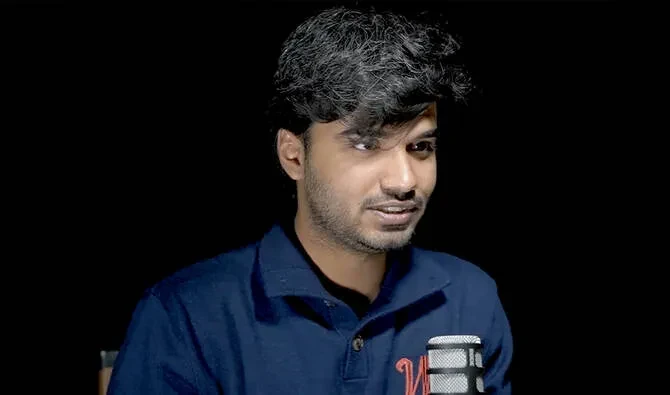
ISLAMABAD: Faiz Ali Sheikh had just cleared security at Riyadh airport and was looking for a seat before boarding a flight to Madinah when a missile launched by Yemen’s Iran-aligned Houthi militia struck the airport.
The Pakistani expatriate, originally from Hyderabad in Pakistan’s Sindh province and a resident of Abu Dhabi for the past 24 years, was among over 300 injured in the Oct. 10 attack at King Khalid International Airport (KKIA).
Yemen’s Iran-aligned Houthi militia have launched a series of drone and missile attacks on Saudi energy, aviation and civilian facilities, killing more than a dozen people and injuring hundreds others. The strikes have raised concerns about the widening regional impact of the United States-Iran conflict.
In an interview with Urdu News, Sheikh, a father of four, described the airport atmosphere after the attack as “very strange, horrifying,” saying that he and other passengers had been in “great shock.”
“As soon as I picked up my bag and started walking toward a seat, this incident happened. Someone lost his hand, while others had injuries to their feet,” he told Arab News from Abu Dhabi.
“There was smoke everywhere, screams and cries, ‘Labbaik Ya Allah, Ya Allah Khair’.”
Sheikh, who was traveling to Madinah Munawwarah on Oct. 10, said his original Saudi Airlines flight had been canceled, forcing him to spend hours at the airport before booking a later Flynas flight.
As frightened passengers scrambled for safety, Sheikh said he did not initially realize he had been seriously injured. Despite bleeding heavily from his foot, he said his only thought was to escape the terminal.
“When I ran in a bid to somehow get out of the airport, I saw and found that my entire foot was covered in blood, and I was bleeding heavily,” he said.
“Although I was not feeling any pain due to bleeding, I only wished to somehow get out of the airport.”
He was later admitted to a Saudi hospital, where Sheikh said authorities provided extensive medical care and support throughout his treatment. He was among 17 Pakistanis who had been injured in the Oct. 10 attack.
“The Saudi government, the Saudi hospital where I was admitted, they cooperated a lot. The members of the royal family there, the ministers who came, everyone cooperated a lot,” he said.
“I was discharged on Thursday [Oct. 15].”
After his discharge, Sheikh said, Pakistan’s embassy helped arrange his journey back to the UAE by road, ensuring he could travel comfortably despite his injuries.
“The Pakistani embassy played a special role in my journey by road,” he told Urdu News.
“They arranged a vehicle for me and made all necessary arrangements inside it so that I could travel comfortably while seated.”