- Pakistan witnessed sharp rise in militancy in recent months, with attacks concentrated in Khyber Pakhtunkhwa
- The federation this month removed the opposition-led KP government, citing its failure to tackle the surge in attacks
ISLAMABAD: Pakistan’s government is ready to build a consensus with the opposition on counterterrorism to confront the country’s worsening security challenges, an aide to Prime Minister Shehbaz Sharif said on Tuesday, amid a surge in militant attacks in the country’s western provinces that border Afghanistan.
Pakistan has witnessed a sharp rise in militant violence in recent months, with attacks concentrated in northwestern Khyber Pakhtunkhwa (KP) and southwestern Balochistan provinces. Islamabad has repeatedly blamed the attacks on militant groups operating from neighboring Afghanistan, an allegation denied by Kabul.
Earlier this month, Pakistan’s government removed the opposition-led provincial government and imposed emergency rule in KP, citing a deteriorating security situation and accusing the provincial leadership of failing to cooperate with federal authorities in national counterterrorism efforts.
The move followed long-running disagreements between Islamabad and the now-defunct KP government of jailed former prime minister Imran Khan’s Pakistan Tehreek-e-Insaf (PTI) party over security policy, with the federal authorities arguing that a unified approach was needed to combat escalating militancy.
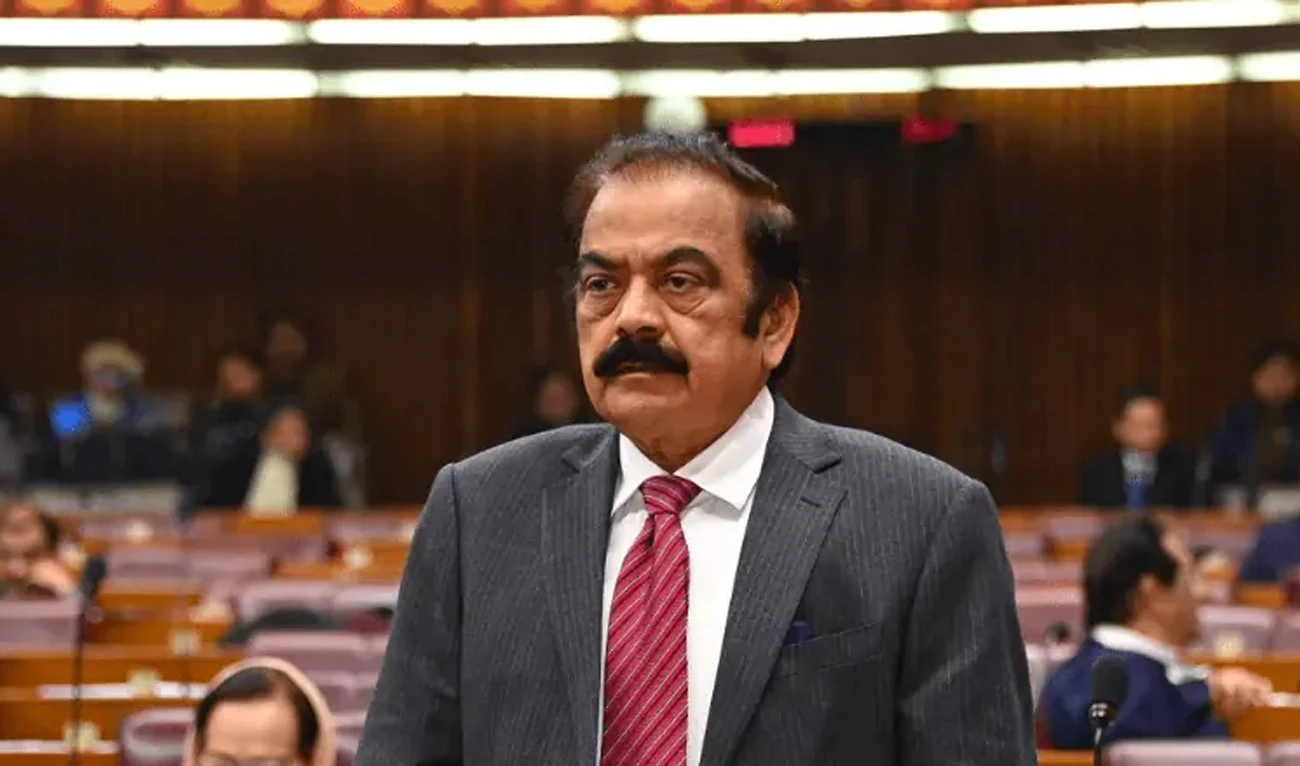
“I offer them today that if all parties agree to sit together then Prime Minister Shehbaz Sharif will still be [ready] to invite and sit with them to find a solution to this issue [of militancy] or to discuss how the entire nation can support these [counterterrorism] operations,” PM’s aide on political affairs Rana Sanaullah said, while speaking in parliament.
He also criticized the opposition for refusing to meet with the prime minister or members of his government.
“When this attitude is there... I understand that this is not a national service and nor is there any right approach to solve this issue,” Sanaullah added.
Pakistan’s president imposed emergency rule in KP on Oct. 11 under Articles 232 and 234 of the constitution. Article 232 deals with the proclamation of emergency on account of war or internal disturbance, while Article 234 deals with the president’s power to impose emergency in case of the failure of constitutional machinery in a province.
The federal government blamed the opposition PTI party of failing to address surging militancy in the province. The PTI rejected the allegations and described the move as an “undemocratic” one imposed at a time when thousands of PTI supporters were marching toward the capital to demand the release of their jailed leader.
Separately on Tuesday, Parliamentary Affairs Minister Tariq Fazal Chaudhry said there would be no need for the emergency rule, had the PTI provincial government cooperated with the center in the war against militancy.
“Our entire effort was to get cooperation from the provincial government and to make them believe that they are fighting this war against terrorism and that it is affecting the entire province and Pakistan,” he said at a presser.
Chaudhry said Pakistan’s peace and the future of its children depends on a united stance on the issue of militancy.
“Today, I am once again inviting all opposition parties to come forward and build a consensus against terrorism,” he said.