- Senate committee says media regulator’s breastfeeding campaign falls short of discouraging formula-milk promotion
- In Pakistan, UNICEF says nearly 10 million children suffer from stunting, only 38 percent infants are exclusively breastfed
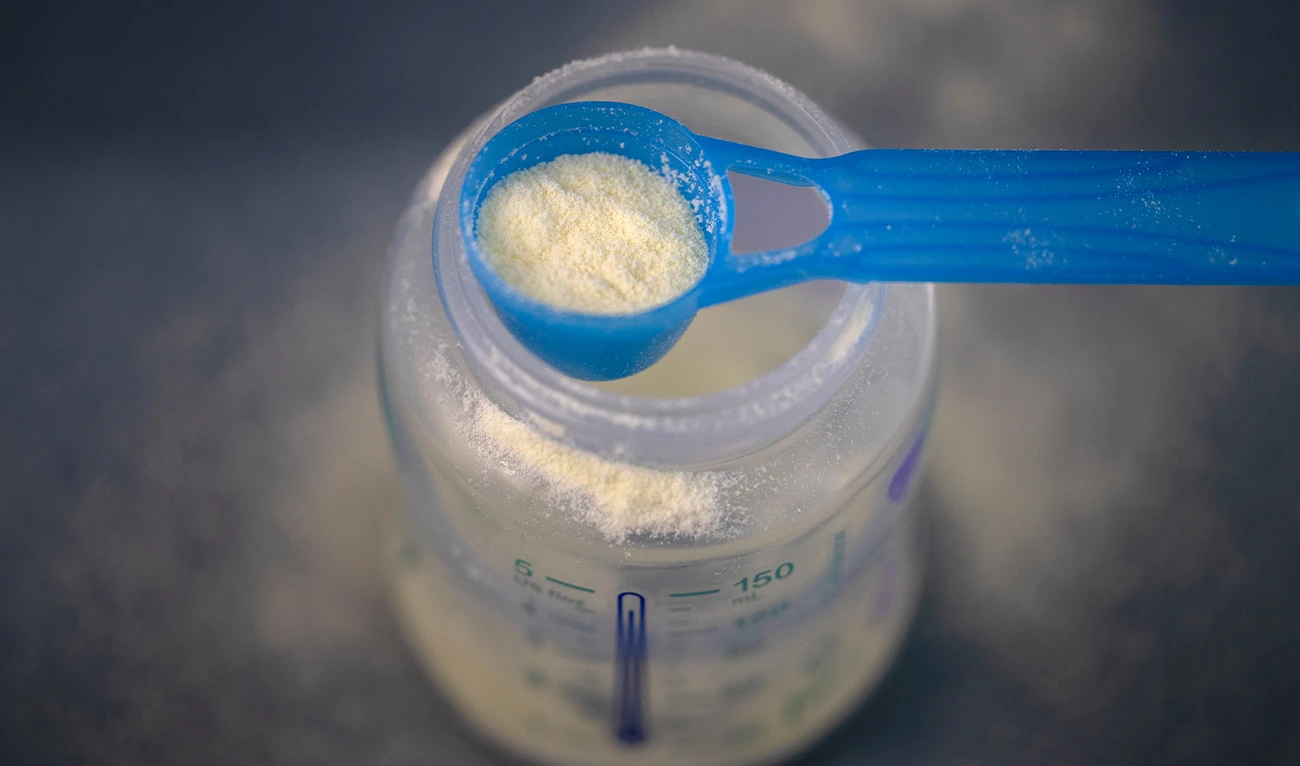
ISLAMABAD: A Pakistani Senate panel on Tuesday directed the country’s electronic media watchdog to enforce mandatory health warnings on advertisements of infant formula milk, warning that its rising promotion was threatening efforts to tackle child malnutrition.
In Pakistan, UNICEF says nearly 10 million children suffer from stunting, while only 38 percent of infants are exclusively breastfed during their first six months. The World Health Organization (WHO) says breast milk provides essential nutrients and antibodies that help protect infants against common childhood illnesses.
Pakistani health authorities have long promoted breastfeeding for the first six months of life, while raising concerns over the aggressive marketing of breast milk substitutes and infant formula products. In recent years, lawmakers and public health advocates have called for stricter enforcement of regulations governing formula-milk advertisement.
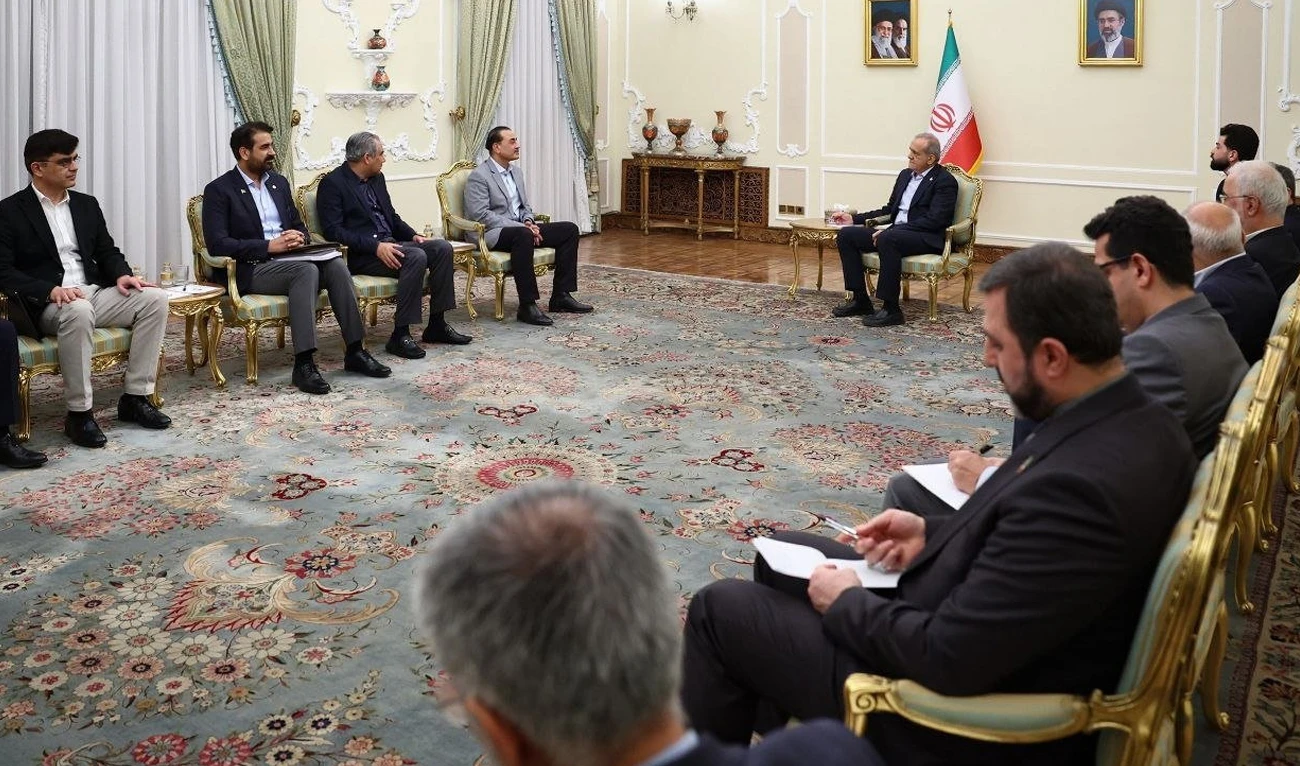
On Tuesday, the Senate Standing Committee on National Health Services directed the Pakistan Electronic Media Regulatory Authority (PEMRA) to ensure that advertisements for infant formula milk carried a clear warning stating that there was no substitute for breast milk.
“They need to clearly state that ‘there is no substitute for mother’s milk’,” Senator Amir Waliuddin Chishti, chairman of the committee, told Arab News after the meeting.
“It’s up to PEMRA if they ban advertainments, slap fine or whatever measure they take, but they will have to implement the Senate committee’s direction.”
PEMRA Chairperson Ambreen Jan presented several public-service messages, promoting breastfeeding and infant nutrition.
But Senator Shahzaib Durrani observed that the committee’s previous instructions had also called for discouraging formula milk promotion, particularly when mothers able to breastfeed were choosing alternatives.
He called for mandatory visual disclaimers similar to those required on tobacco products.
“There is no issue with running ads. Ads can run, but at the end of the ad, we said ‘you should give a disclaimer, just like at the end of cigarettes’,” Durrani said.
Jan suggested that advertisements promoting formula milk could be banned. To which, Senate committee members said the decision on regulatory action rested with PEMRA, but insisted that the committee’s directives must be implemented.
The debate comes amid international public health concerns about the marketing of breast-milk substitutes.
WHO and UNICEF recommend initiating breastfeeding within the first hour after birth, exclusive breastfeeding for the first six months, and continued breastfeeding alongside appropriate complementary foods until age two or beyond.
Durrani cited stunting affecting around 40 percent of children, arguing that improving infant-feeding practices should be a public-health priority.
“They [mothers] should be told that in Pakistan, where 40 percent of children already suffer from stunted growth, those who are able should take care of their own health and breastfeed their children,” he told Arab News.
Speaking to Arab News, Dr. Khalid Shafi, a former general secretary of Pakistan Pediatric Association (PPA), said formula milk “shouldn’t even be called milk.”
“Stating that mother’s milk is very important but then giving an advertisement for canned/boxed milk, fundamentally in our view or according to the law, is a favor to them [manufacturers],” he said, praising the Senate committee for doing a “good job.”
“There is no room for any kind of advertisement, whether they are weaning products for a child or whether they are formula feed follow-ups.”