- KSrelief has implemented 1,228 projects in Yemen worth over $4.79 billion, with a significant focus on food security and health initiatives
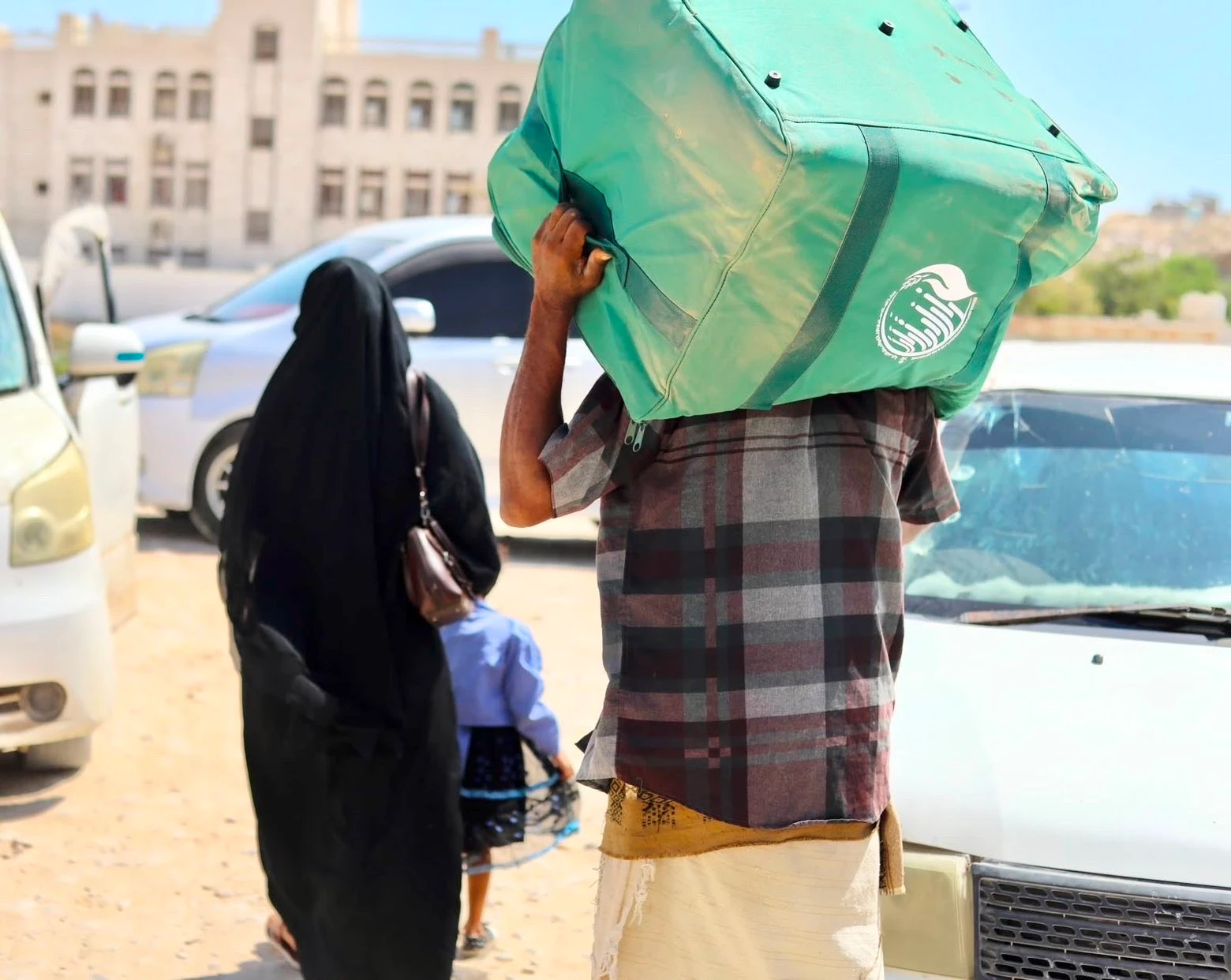
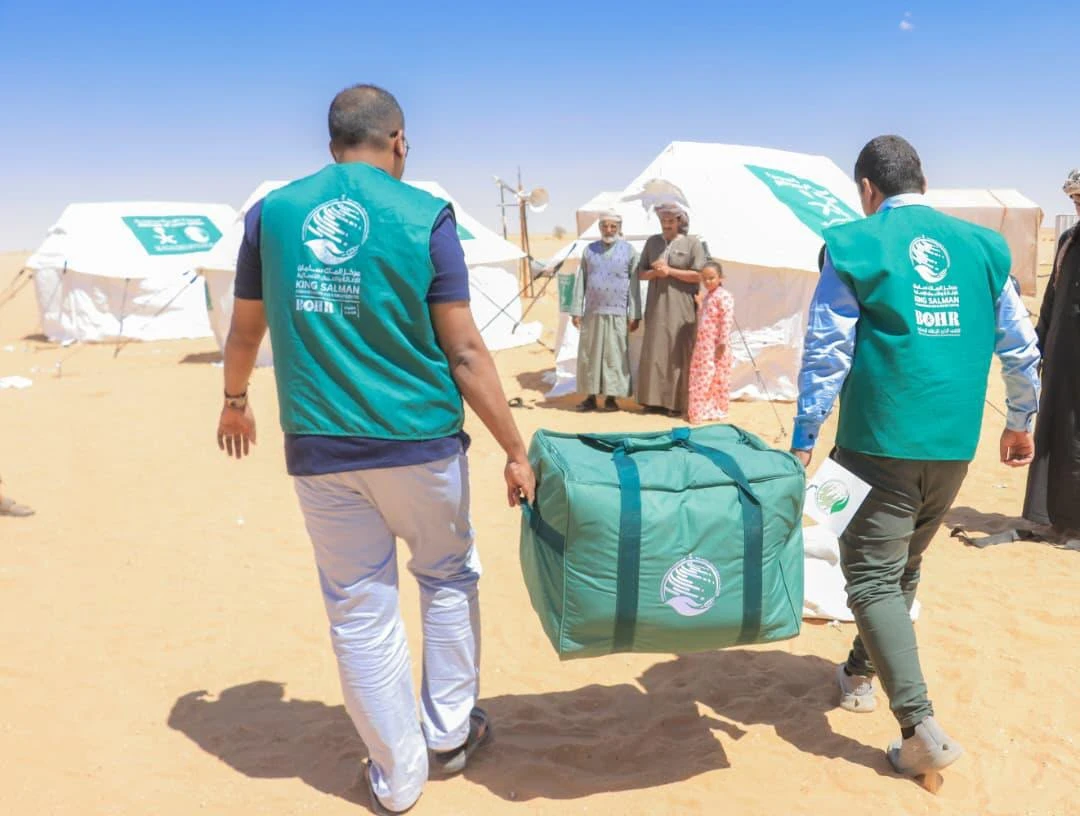
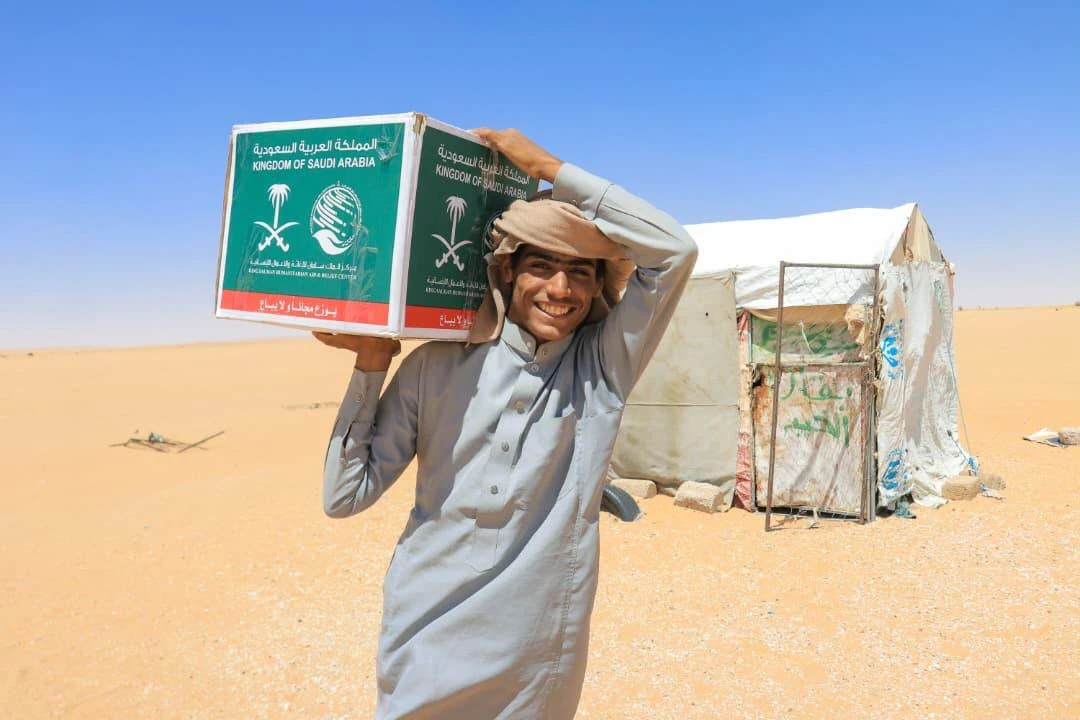
JEDDAH: Saudi Arabia’s aid agency KSrelief has delivered thousands of food baskets to vulnerable families across Yemen as the country continues to grapple with one of the world’s largest humanitarian crises.
Nine trucks carrying 3,240 food baskets recently arrived in Aden governorate under KSrelief’s emergency response project in Yemen, the Saudi Press Agency reported.
The shipment was delivered to Khor Maksar district and is intended for the most vulnerable families. KSrelief said distribution would be carried out in coordination with local partners.
The latest delivery is part of a wider relief effort that has reached tens of thousands of people across Yemen in recent weeks.
Also on Saturday, KSrelief distributed 580 food baskets in Marib’s Al-Madinah and Al-Wadi districts, benefiting 4,060 people under the second phase of its emergency food assistance project.
Earlier this month, the agency distributed 1,166 food baskets in Hadramout and a further 209 food baskets to displaced and affected families in Lahj governorate.
On Oct. 1, KSrelief distributed 11,334 food baskets across several governorates, benefiting 81,947 people. The operation included 5,798 baskets delivered to 23 displacement camps in Aden, Abyan, Taiz, and Lahj, assisting 43,195 people displaced from Yemen’s western coastal districts.
Another 5,536 food baskets were distributed to vulnerable and displaced families in Hadramout, benefiting 38,752 people.
In addition to food aid, the agency has provided hygiene kits and other forms of assistance to displaced communities.
The latest deliveries come amid renewed fighting in parts of Yemen. Government forces launched an offensive on Oct. 4 aimed at retaking Houthi-held territory, with clashes reported in Taiz, Marib, and Al-Jawf.
The fighting has displaced families from western coastal districts, many of whom have sought shelter in camps in government-controlled areas.
Humanitarian agencies have warned that ongoing hostilities continue to complicate relief operations and place further pressure on already overstretched communities.
According to the UN’s 2026 Humanitarian Needs and Response Plan, more than 22 million people require humanitarian assistance and protection, including 5.2 million internally displaced people, 329,000 migrants, and 63,000 refugees and asylum-seekers. An estimated 18.3 million people face acute food insecurity.
Aid agencies have appealed for $2.16 billion to assist 12 million people in 2026, including 9.4 million identified as having the most severe needs.
Yemen remains the largest recipient of KSrelief assistance. By the end of August 2026, the agency had implemented 1,228 projects in the country worth more than $4.79 billion.
Food and agricultural security accounted for the largest share of funding, exceeding $1.5 billion, followed by health projects valued at more than $1.03 billion.
Across its global operations, KSrelief had implemented 4,457 projects in 113 countries worth $8.57 billion by the end of August.