- Pakistan finance minister meets IMF official on sidelines of World Bank-IMF Annual Meetings in Bangkok
- Ongoing US-Iran conflict, Houthi attacks against Saudi civilian infrastructure have driven oil prices higher
ISLAMABAD: Pakistan’s finance minister on Monday discussed the impact of regional tensions in the Middle East on energy prices and inflation with a senior International Monetary Fund (IMF) official, including how to provide targeted relief to vulnerable households “within fiscal constraints,” the Finance Division said.
The US-Iran war has disrupted Gulf energy supplies and shipping through the Strait of Hormuz, pushing up fuel prices for Pakistan, which imports much of its oil from the Middle East region. Attacks by the Houthi rebels against Saudi civilian infrastructure, including aviation facilities since last week, have also raised oil prices worldwide. Pakistan has raised domestic petrol prices and introduced a fuel subsidy for motorcyclists, rickshaw drivers and owners of small cars to cushion lower-income households.
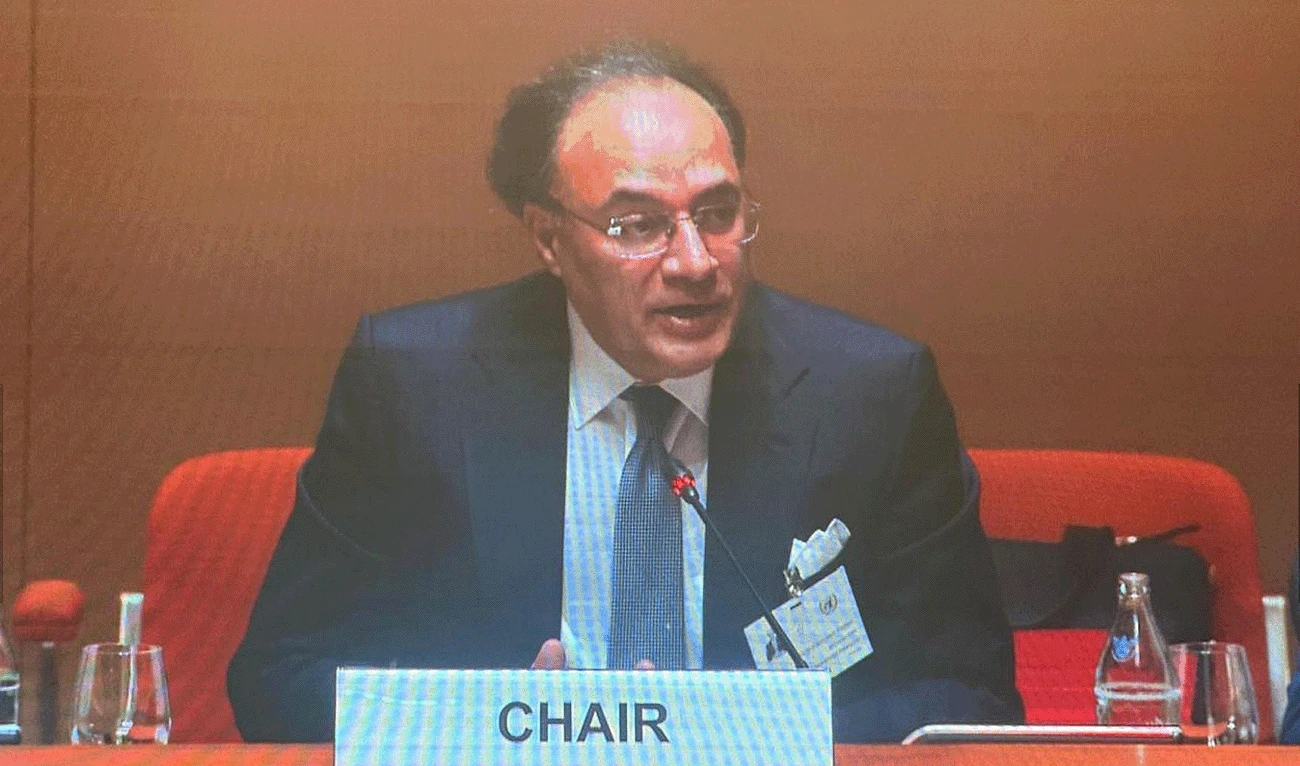
Finance Minister Muhammad Aurangzeb met Dan Katz, the IMF’s first deputy managing director, on the sidelines of the World Bank Group-IMF Annual Meetings in Bangkok, the Finance Division said.
“Discussions also covered the impact of the Middle East conflict on energy prices and inflation, including targeted relief for vulnerable households within fiscal constraints,” the Finance Division said.
“Both sides reaffirmed their commitment to continued cooperation and safeguarding macroeconomic stability against external challenges.”
The meeting comes after the IMF reached a staff-level agreement with Pakistan on Oct. 7 that, once approved by the Fund’s executive board, would give the country access to about $1 billion under its Extended Fund Facility and about $210 million under its Resilience and Sustainability Facility, bringing total disbursements under the two programs to about $5.7 billion.
Aurangzeb highlighted improved investor confidence, sovereign credit rating upgrades and Pakistan’s renewed access to international capital markets. He reaffirmed the government’s commitment to fiscal discipline, tax reform and privatization, according to the statement.
Both sides welcomed the staff-level agreement and acknowledged improvements in fiscal performance, foreign exchange reserves, inflation and external stability.
In its Oct. 7 statement, the IMF said Pakistan had “successfully navigated the impact of the Middle East conflict,” though higher energy prices and supply disruptions had slowed growth, estimated at 3.6 percent for fiscal year 2025-26. Headline inflation eased to about 10.3 percent in September after peaking in May, while gross reserves rose to about $21.5 billion by the end of September.
The Fund had also urged Pakistan to wind down its fuel relief program.
“The fuel support scheme should be phased out promptly, given its high cost and broad targeting,” it said, adding that any future support should be “limited, timebound, targeted using established social assistance programs, and accommodated within the FY27 budget envelope.”
The IMF had warned that risks remained high, particularly from geopolitical tensions, volatile energy prices, tighter global financial conditions and trade disruptions.