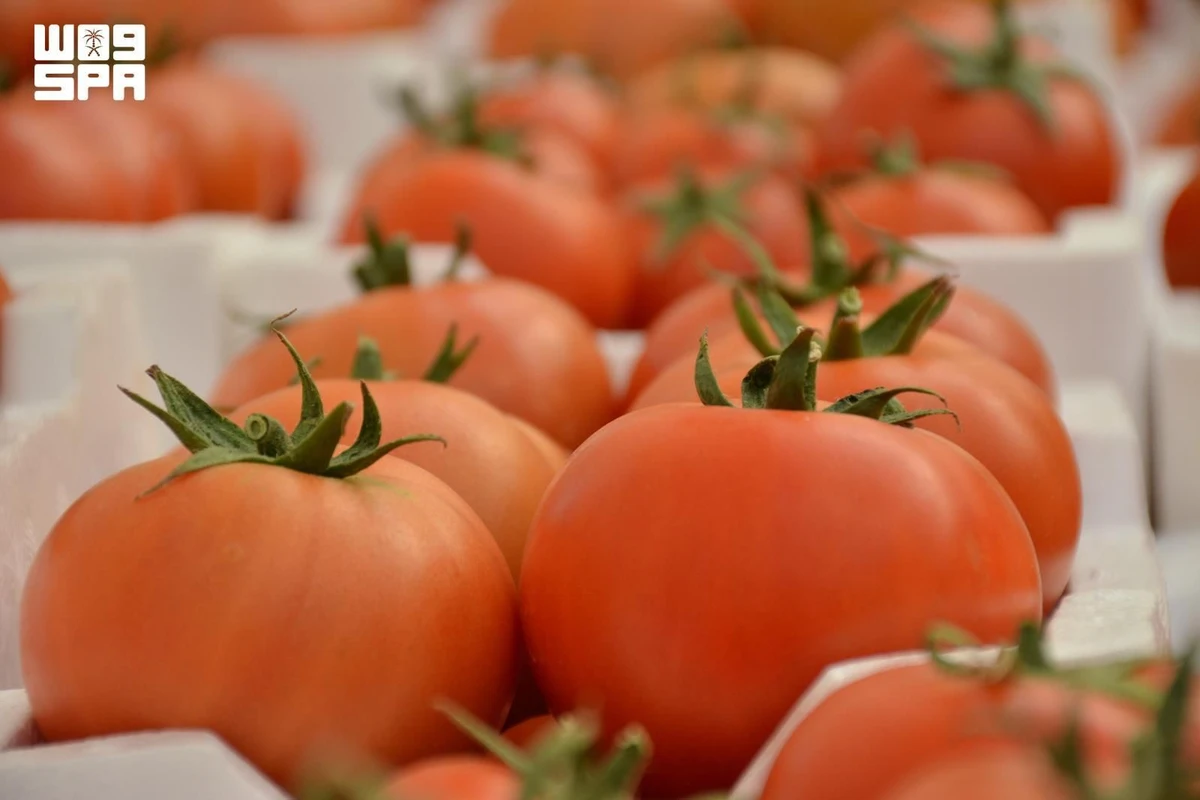
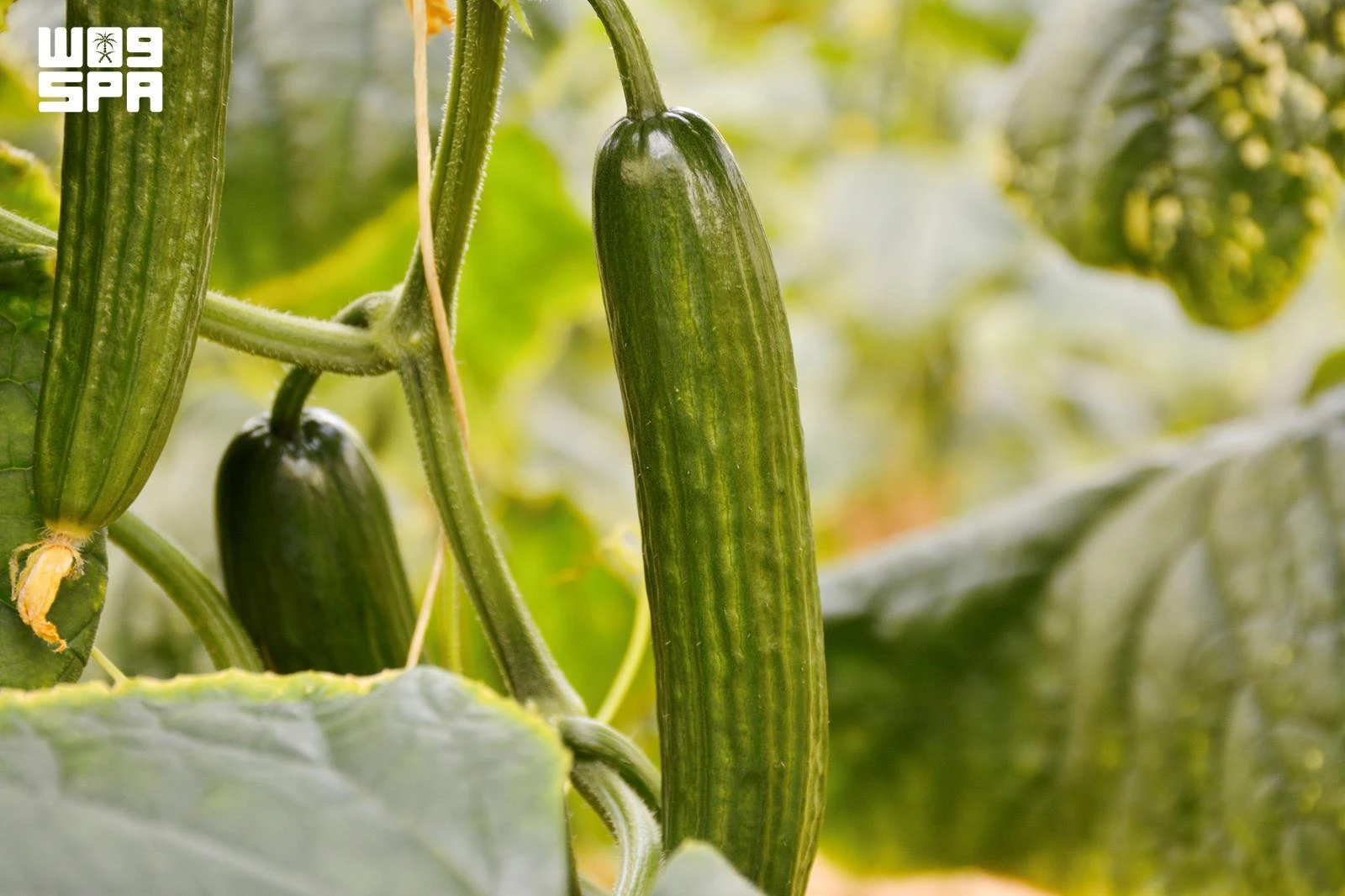
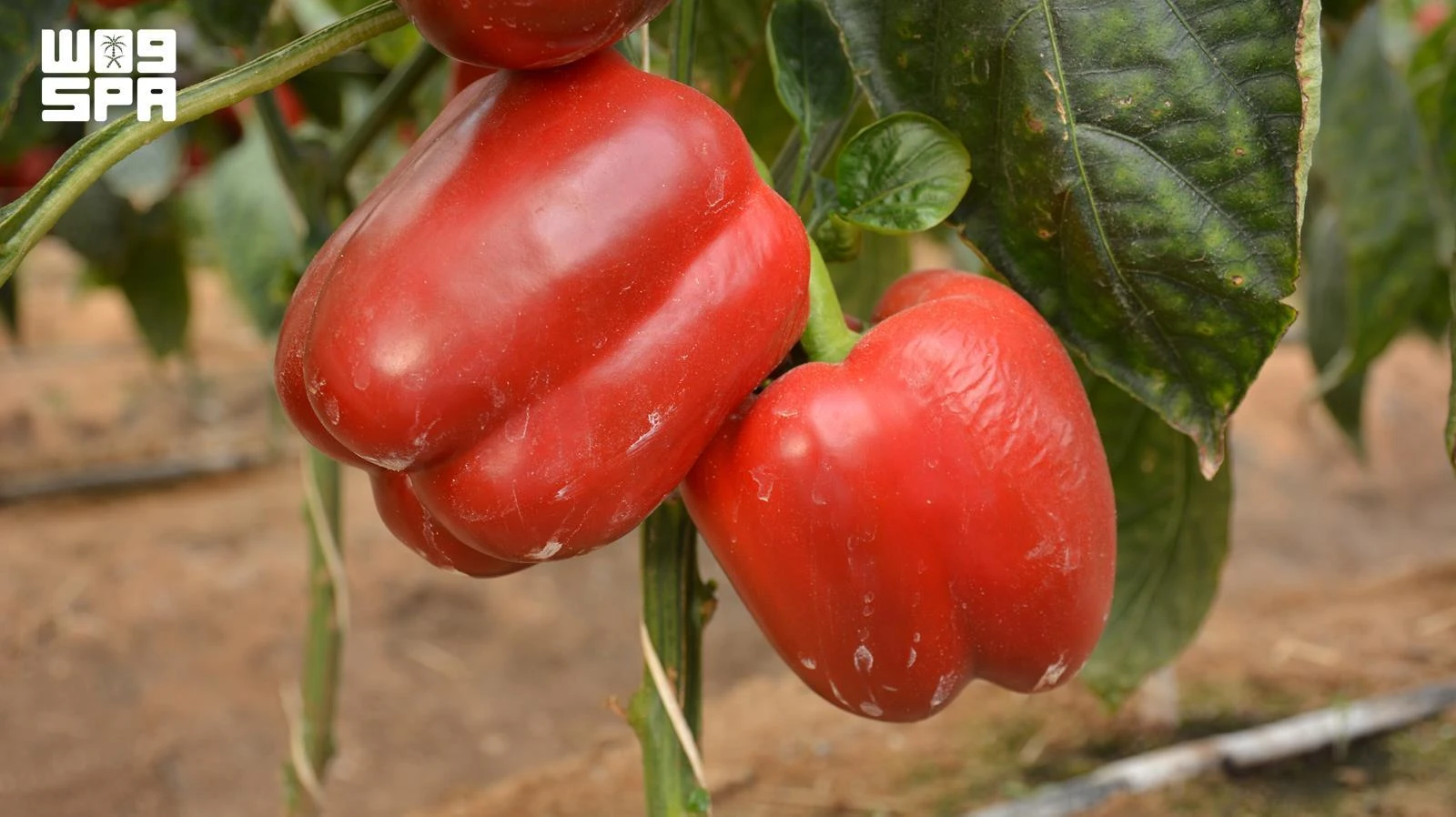
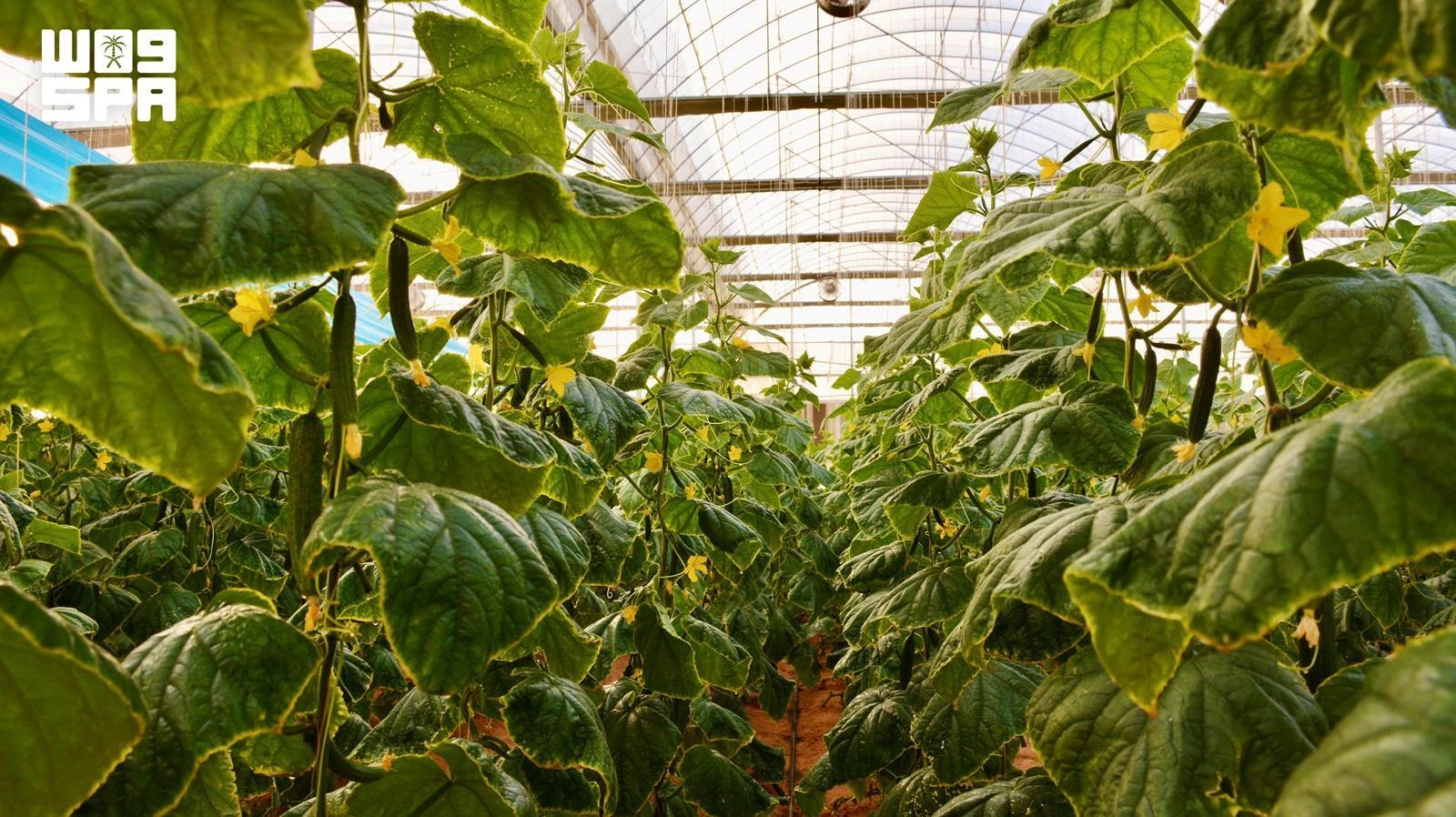
- The region benefits from abundant freshwater, fertile land, and favorable microclimates, producing a variety of organic crops
NAJRAN: Farmers across the Najran region are preserving deep-rooted agricultural traditions through organic farming and sustainable practices that support national food security and advance the goals of Saudi Vision 2030.
With abundant freshwater, fertile land and favorable microclimates, Najran is an important agricultural hub, producing a variety of fruits, vegetables, dates, grains and specialty organic crops. Modern irrigation techniques and natural organic inputs help conserve water and maintain soil health.
Murih Al-Shahrani, director general of the Ministry of Environment, Water and Agriculture’s branch in Najran, said expanding organic farming remained a strategic priority. He said using non-chemical inputs and adhering to strict organic standards ensured food safety, protected soil and water ecosystems, and built consumer trust.
The ministry branch continues to provide technical guidance, help farmers obtain organic certification and improve the market competitiveness of local produce, he said.
Agricultural specialist Fahad Al-Mustanir highlighted the role of agricultural circularity, particularly converting crop residues, pruned foliage and organic waste into compost, biochar and vermicompost.
He said these soil amendments restored microbial activity, improved soil structure and increased moisture retention while eliminating the environmental risks of open-field burning.
Local growers emphasize both commercial viability and traditional stewardship. Organic farmer Hamad Al-Abbas said sustainable practices were expanding market access for premium produce.
Farmer Dalama Al-Haidar highlighted efforts to preserve native heirloom wheat varieties through organic seed selection and soil management, safeguarding the region’s agricultural heritage for future generations.