- With a prevalence rate of 23.1 percent among adults, Saudi Arabia ranks among the top 10 countries globally for diabetes prevalence.
- A survey of 351 adults in the Kingdom — part of a broader study spanning six countries — revealed a clear “optimism bias.”
RIYADH: A recent study conducted by the International Diabetes Federation indicates that approximately 2.3 million adults in Saudi Arabia are living with undiagnosed diabetes — accounting for 44 percent of the 5.3 million adults in the Kingdom affected by the disease.
With a prevalence rate of 23.1 percent among adults, Saudi Arabia ranks among the top 10 countries globally for diabetes prevalence.
A survey of 351 adults in the Kingdom — part of a broader study spanning six countries — revealed a clear “optimism bias.”
Although 82 percent of participants acknowledged that screening for diabetes risk is worthwhile even when feeling healthy, only 18 percent believed they were personally at risk for Type 2 diabetes — despite the fact that every participant reported having at least two known risk factors.
Furthermore, seven out of 10 participants mistakenly believed that individuals in the prediabetic stage typically exhibit noticeable symptoms.
“Fear of what the results might show” (32 percent) emerged as the primary barrier to screening, followed by “lack of time” (24 percent) and “not believing there is a risk of developing the disease” (23 percent).
Nearly half of the participants (46 percent) said they did not feel confident enough to get screened for diabetes risk.
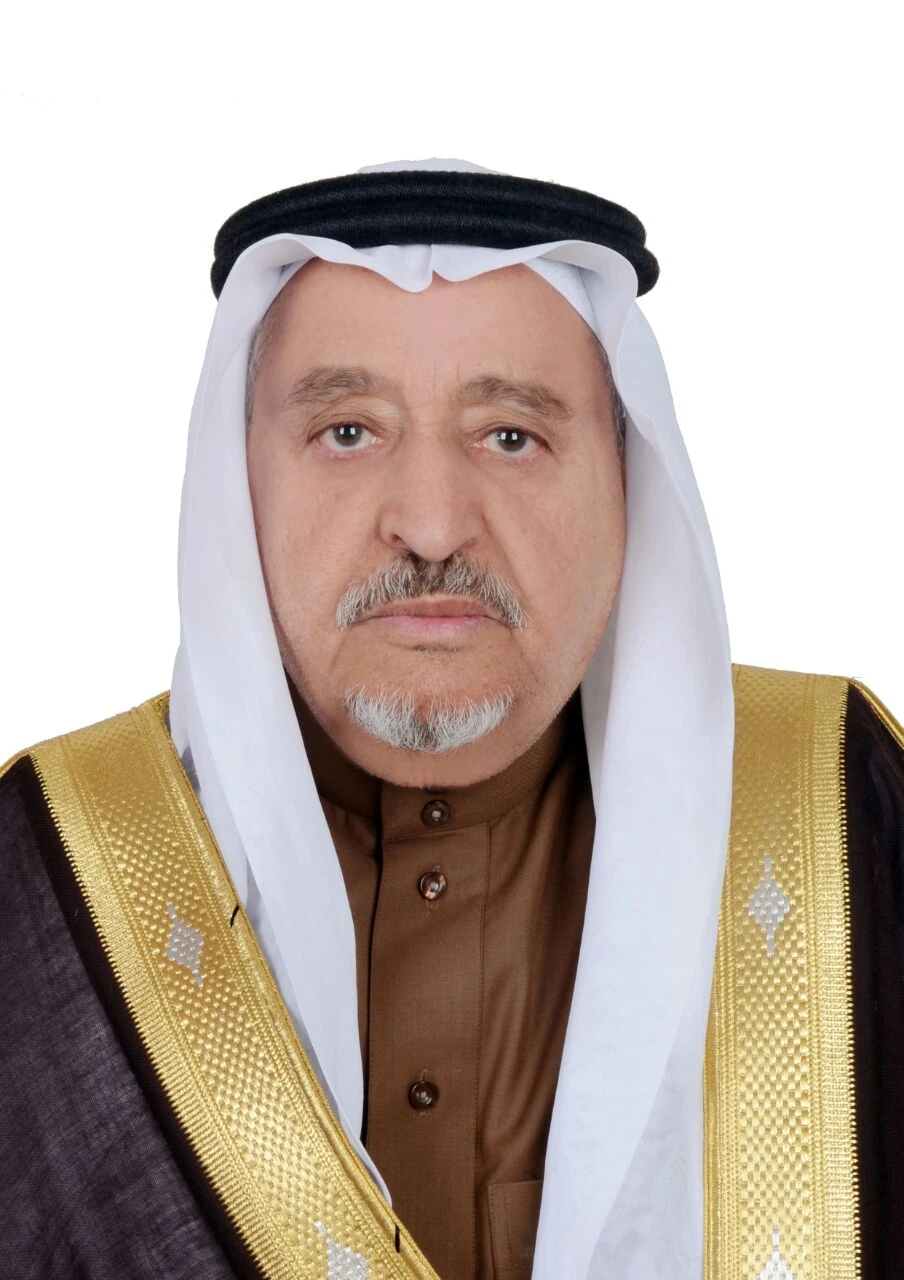
Abdulaziz Al-Humaidi, chairman of the board of the Saudi Charitable Diabetes Association, told Arab News: “Early detection provides an opportunity to prevent the disease from worsening and to avoid serious complications — particularly those that damage other organs, such as kidney disease, eye complications, and coronary artery disease.”
The association’s chairman noted that “identifying pre-diabetes through screening offers a vital opportunity for prevention,” explaining that “with appropriate lifestyle adjustments, it is possible to reverse pre-diabetes and return blood sugar levels to the normal range in more than 50 percent to 60 percent of individuals.”
Regarding the primary reason for delayed diagnosis, Al-Humaidi pointed to “a lack of screening — stemming from both insufficient screening programs and individuals failing to undergo regular check-ups themselves.”
He explained that “up to 20 percent of patients — sometimes even more — may already present with complications at the time of diagnosis,” adding that “without regular screening, individuals may remain unaware that they have diabetes, as symptoms might not appear at all, or may only develop at a later stage.”
For every dollar invested in screening, approximately $6 in healthcare costs can be saved, he added. In 2024, diabetes-related healthcare spending in Saudi Arabia reached $7.3 billion.
The International Diabetes Federation diabetes diagnosis scorecard for Saudi Arabia reveals that 56 percent of adults living with diabetes in the Kingdom have been diagnosed — a figure that falls short of the global target of 80 percent set by the World Health Organization for 2030.
To reach this target, approximately 1.3 million additional diagnoses are required, which translates to roughly 840 new diagnoses per day between now and the end of 2030.
The International Diabetes Federation recommends bringing screening services closer to people’s daily lives by offering rapid tests in pharmacies or large retail stores — an option 49 percent of survey respondents welcomed. Meanwhile, 41 percent supported community awareness campaigns, and 40 percent preferred screening appointments in the evenings or on weekends.
“We must make screening available where people already are — such as in pharmacies, during routine medical appointments, or within the community — so that no one has to wait until complications arise to discover they have diabetes,” Al-Humaidi said.
The organization also urges intensified public awareness efforts to clarify that prediabetes and Type 2 diabetes often develop without any clear symptoms.
Diabetes affects the majority of families in Saudi Arabia. Three out of every four people surveyed have a relative with Type 2 diabetes; yet, fewer than one in five believe they are at risk of developing the condition.