- Pakistan’s UN ambassador speaks over tensions in Gulf at Security Council meeting
- Pakistan says Houthi attacks endanger regional peace, disrupt international commerce
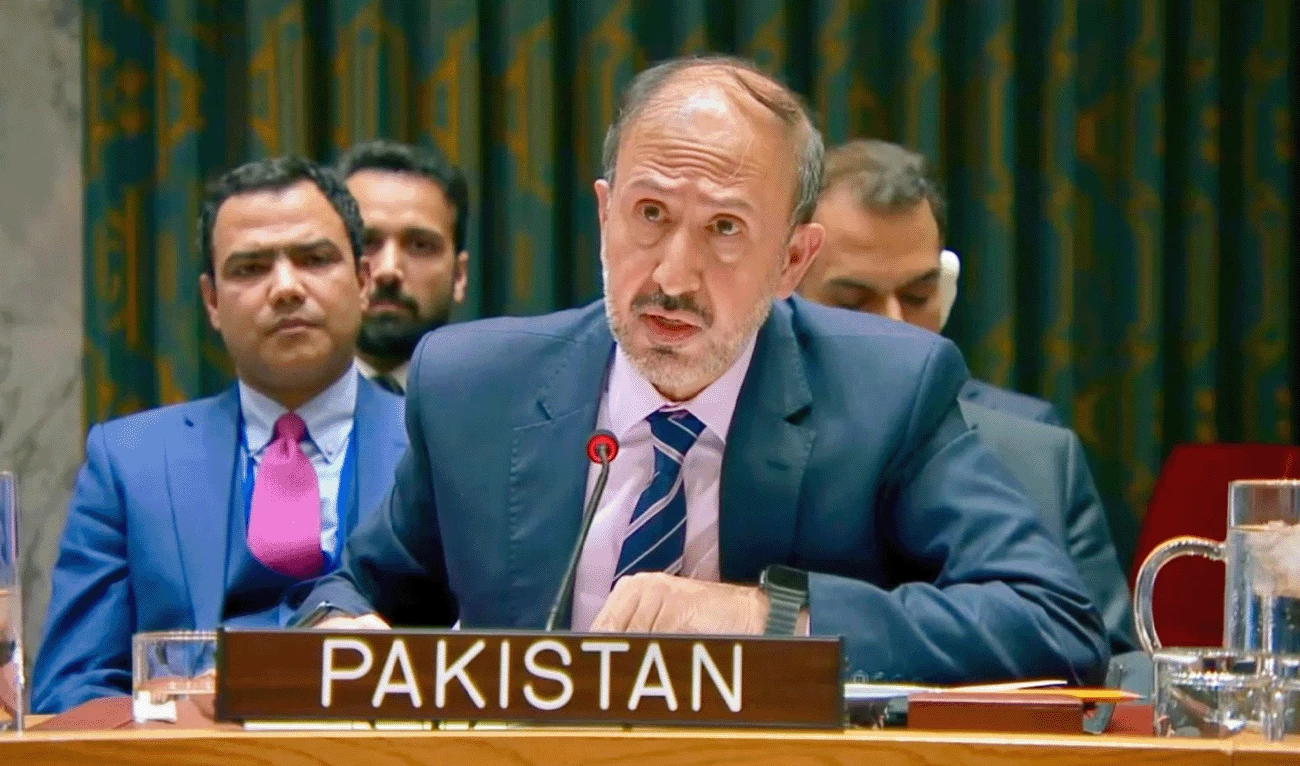
ISLAMABAD: Pakistan’s United Nations envoy Syed Haider Shah strongly condemned attacks by the Iran-backed Houthi militia against civilian infrastructure in Saudi Arabia this week, calling for an end to such acts of aggression and protection for commercial ships at global maritime trade routes such as the Strait of Hormuz.
The Yemen-based Houthi rebels have intensified their attacks against Saudi aviation and energy facilities since last month. The fighting between the internationally recognized government in Yemen and the Iran-backed rebels have intensified as tensions persist between the United States (US) and Iran in the Middle East.
At a UN Security Council meeting held to discuss tensions in the Middle East and resulting threats to maritime security on Friday, Shah called for upholding the territorial integrity and sovereignty of all regional nations.
“Attacks against civilian objects including airports, energy installations and other civilian infrastructure are unacceptable,” the Pakistani permanent representative to the UN said.
“Pakistan condemns, in the strongest terms, the Houthi militia’s attacks and threats against the Kingdom of Saudi Arabia, including its civilian infrastructure and vessels engaged in lawful trade with the Kingdom.”
He said attacks by the Houthis against civilian targets endanger regional peace, undermine navigational freedoms and disrupt international commerce.
“We stand firmly and in complete solidarity with the government and people of the brotherly Kingdom and reaffirm our unwavering support for its sovereignty, territorial integrity, security and prosperity,” he added.
Disruptions to maritime traffic and attacks on commercial shipping in the Strait of Hormuz and Bab Al-Mandab by Iran and the Houthis, respectively, have highlighted the vulnerability of critical maritime routes and their far-reaching implications for regional and global security.
The attacks have raised concerns over the security of vital supply chains, posing risks to energy supplies, food security and economic stability of several nations.
Shah said maritime security is a “shared international interest,” pointing out that disruption of commercial shipping and attacks on merchant vessels in the two passageways has underscored that crises at sea have grave implication for countries.
“These actions endanger seafarers, undermine navigational freedoms and jeopardize regional stability,” the Pakistani envoy said. “The attacks and threats must end.”
He said volatility at these maritime chokepoints have not only imperiled peace and stability but also skyrocketed energy prices and heighted fear of global food insecurity, disproportionately affecting vulnerable economies.
“Pakistan supports the restoration of normal passage, protection of vessels and crews, and safe, unimpeded commercial navigation,” he said.
Pakistan, which has played a key role in mediating between the US and Iran since their conflict began in February, urged all sides to pursue dialogue and diplomacy.
“All attacks must stop; communication channels should remain open; and regional initiatives and the Secretary-General’s good offices must receive sustained international support,” Shah said.
“Pakistan remains committed to continuing its own resolute efforts toward that end.”