- Commission warns mishandled physical and digital evidence could make murder difficult to prove in court
- Report rejects suicide explanation, recommends fresh investigation and action against police officers
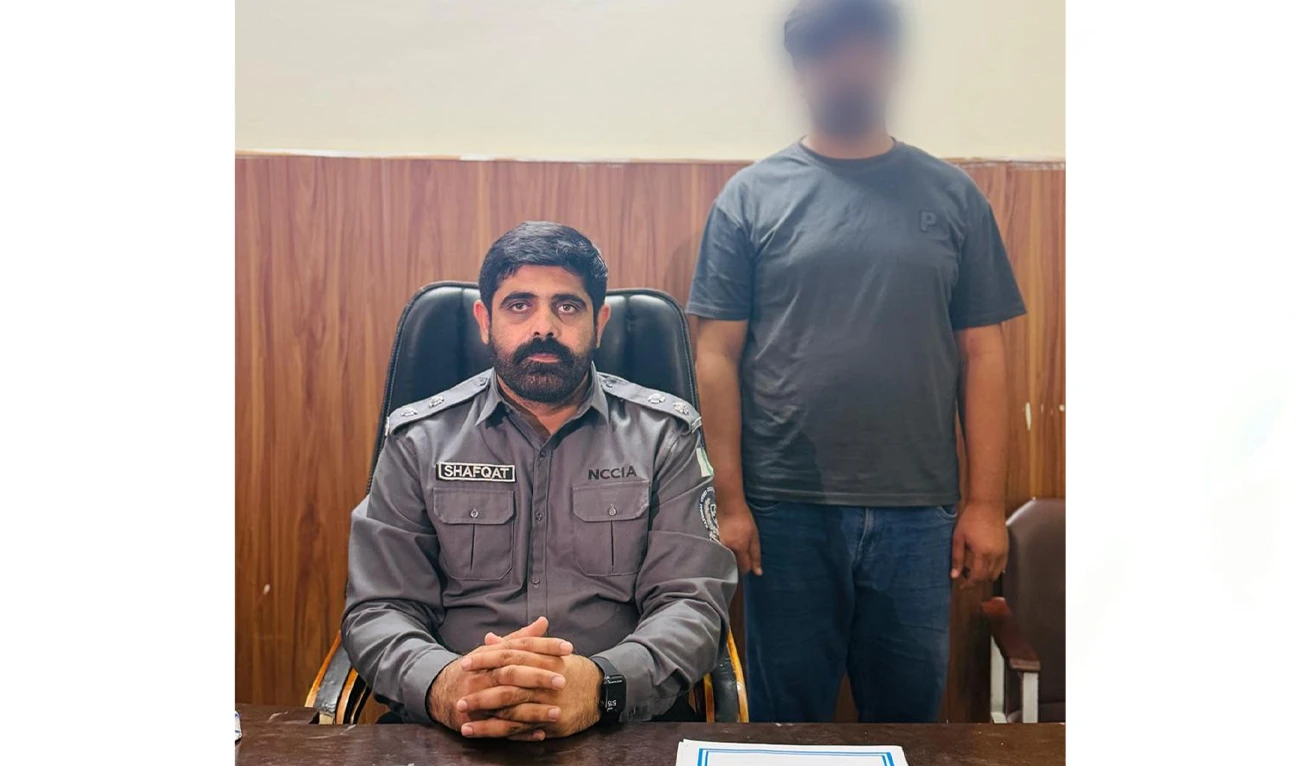
KARACHI: Police failures could make a young Pakistani businessman’s killing difficult to prove in court, a judicial inquiry report released on Tuesday warned, following his family’s campaign against investigators’ suggestion that he died by suicide.
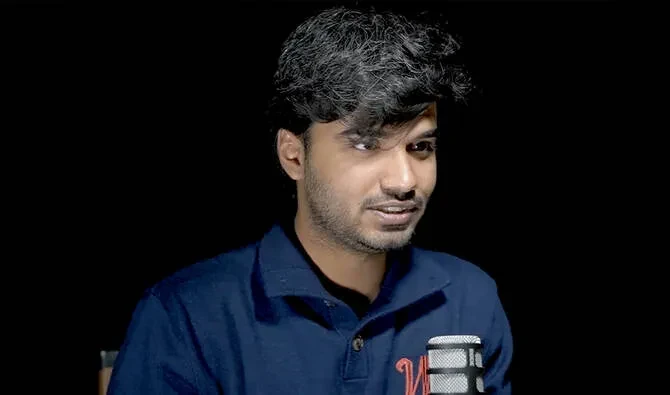
Mir Raza Ali, the 25-year-old owner of Karachi dessert business Wafflix, disappeared on July 28 and was found dead the following day. His family’s demands for answers led to his body being exhumed and a second autopsy that identified a gunshot wound to his upper back and other injuries.
The disputed investigation prompted protests and led Sindh’s provincial government to establish a judicial commission in August. Its findings, released on Tuesday, raise questions about police accountability and whether failures to preserve evidence have undermined the family’s chances of securing justice.
“This case demonstrates an epic failure by the police in their investigation,” the report said.
The commission, headed by Sindh High Court Justice Omar Sial, found that failures to preserve the scene, secure surveillance recordings and properly handle forensic material had compromised a significant portion of the evidence.
“In Mir Raza’s case, the police have not solved it yet, but even if they do now, it will be very difficult to prove it in a court of law,” it said.
The report detailed failures to document the body’s original position and preserve the site where it was found. It said the site was deliberately burnt in an attempt to find evidence, further compromising the investigation.
Police also failed to secure original surveillance recorders, instead filming footage from playback screens, and stored digital material on personal devices without adequate documentation, according to the report.
It criticized the handling of Ali’s phone and smartwatch, as well as the selective, unlawful disclosure of private digital information to the media.
The commission said unexplained actions raised the possibility of an active cover-up, but stopped short of conclusively establishing one, saying it lacked investigative powers.
It also examined speculation surrounding an August briefing at the chief minister’s office, finding no evidence that the meeting was intended to pressure the doctor who conducted the initial autopsy into supporting the police account.
The findings add to scrutiny of police handling of serious crimes in Karachi, Pakistan’s largest city and commercial hub. In February 2025, three officers were suspended and demoted over their handling of the kidnapping and murder investigation of 23-year-old Mustafa Amir, another case that attracted widespread attention.
Karachi faces persistent violent crime and armed theft. The Citizens-Police Liaison Committee, which assists law enforcement and crime victims, recorded 52 homicides and 1,859 mobile-phone snatchings in September alone.
SUICIDE EXPLANATION REJECTED
The judicial commission also concluded that Ali had been murdered, citing the bullet trajectory, wound location, condition of the body and other medical evidence.
“It was a murder,” the commission stated in both its executive summary and main report.
It said police persisted with the suicide explanation despite findings from the second postmortem examination that could not be reconciled with it. The first postmortem report had not itself concluded suicide, the commission noted.
Karachi’s police surgeon had identified more than a dozen deficiencies in the initial autopsy. The subsequent examination found that a bullet had entered Ali’s back and exited through his chest, damaging his heart.
With much of the physical evidence compromised, the commission called for an intelligence-based investigation by a new joint investigation team headed by Deputy Inspector General Irfan Baloch.
It recommended including senior representatives of the Inter-Services Intelligence agency, the civilian Intelligence Bureau, the paramilitary Pakistan Rangers in Sindh and the National Cyber Crime Investigation Agency.
The family has sought a team comprising officers from federal and provincial agencies with no previous involvement in the case. Police had already reconstituted their investigation team in August.
Separately, the commission recommended a high-level committee, preferably led by the Federal Investigation Agency, to examine possible offenses by police officials involved in the first 10 days of the investigation. It called for criminal action, alongside disciplinary proceedings, against those found culpable.
Citing criminal negligence, it recommended interim suspension and proceedings leading to dismissal against police officer Adeel Afzaal and Sub-Inspector Shabbir Leghari. It also called for improvements in police training, forensic procedures and investigation funding.
Sindh’s cabinet, chaired by Chief Minister Murad Ali Shah, approved publication of the report on Tuesday and directed that the family receive a copy. The decision followed the family’s renewed appeal on Monday to release the findings, which had been submitted to the government under seal on Oct. 15.
CM Shah formed an implementation subcommittee comprising provincial Home Minister Ziaul Hassan Lanjar, ministers Nasir Hussain Shah and Saeed Ghani, and the advocate general, the province’s chief legal adviser.
The family’s lawyer, Jibran Nasir, did not immediately respond to a request from Arab News for comment on the findings. Karachi police have not commented on the report.