- Officials report over 450 arrests, 60,000 security operations across the province
- Government rejects comparisons with KP, cites cooperation with federal authorities
ISLAMABAD: Security forces killed 1,100 militants and arrested more than 450 others in Pakistan’s southwestern Balochistan province over the past year, a senior official said on Tuesday, as provincial authorities detailed their counterterrorism efforts amid a political controversy over emergency measures in neighboring Khyber Pakhtunkhwa.
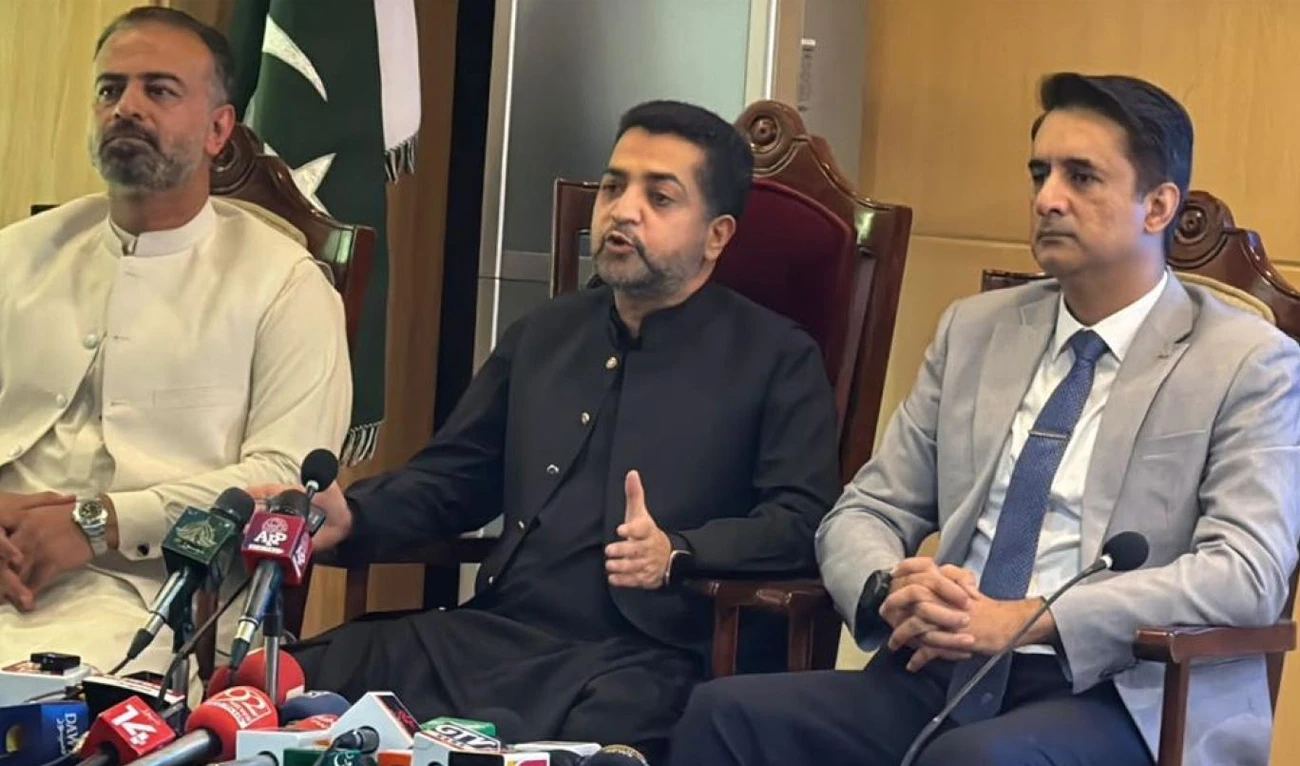
Additional Chief Secretary Hamza Shafqaat told a news conference in Quetta that security forces had carried out more than 60,000 operations, including intelligence-based raids and combing operations, by October this year.
“In one year, 1,100 terrorists were killed and more than 450 arrested,” he said, according to a statement issued by the provincial government after the media interaction.
Shafqaat said 551 people had been killed in militant violence in Balochistan this year, including 101 police officers and more than 225 personnel from other law enforcement agencies.
Balochistan, Pakistan’s largest but least populous province, has faced a decades-long separatist insurgency, with militants frequently targeting security forces, infrastructure and workers from other provinces. Neighboring Khyber Pakhtunkhwa has also experienced rising violence, primarily involving the Tehreek-e-Taliban Pakistan.
Earlier this month, Pakistan’s federal government removed the opposition-led provincial administration of Khyber Pakhtunkhwa and imposed emergency rule in the province, citing a deteriorating security situation and accusing the provincial authorities of failing to cooperate in national counterterrorism efforts.
Opposition politicians have criticized the move as politically motivated, questioning why Balochistan was spared similar measures despite facing persistent militant violence.
Balochistan Home Minister Mir Ziaullah Langove rejected the comparison during the news conference, arguing that cooperation with federal authorities was essential to combating militancy and that his government had provided security forces with the necessary legal powers and resources.
“If similar measures had been taken in Khyber Pakhtunkhwa, an emergency would not have been imposed there,” Langove said.
Detailing the provincial government’s broader security measures, Shafqaat said it had enacted 18 counterterrorism-related laws and established 17 new institutions over the past two years, with Rs14 billion ($50.7 million) invested in counterterrorism and Rs40 billion ($144.9 million) in broader law-and-order initiatives.
The initiatives include nine Safe City projects, a new forensic science agency and improved highway security in cooperation with the Frontier Corps.
Separatist militants have repeatedly targeted passengers and commuters on Balochistan’s highways, including through attacks on vehicles and the killing of travelers after checking their identities.
“The Quetta-Karachi and Quetta-Taftan highways will be secured within three to four months,” Shafqaat said.
He said around 1,400 people had been placed on the Fourth Schedule, a government watchlist for individuals suspected of links to militancy, while approximately 3,000 families had been identified as allegedly associated with subversive activities.
He said the province also introduced witness protection mechanisms, faceless courts and detention facilities aimed at strengthening the province’s counterterrorism capabilities.