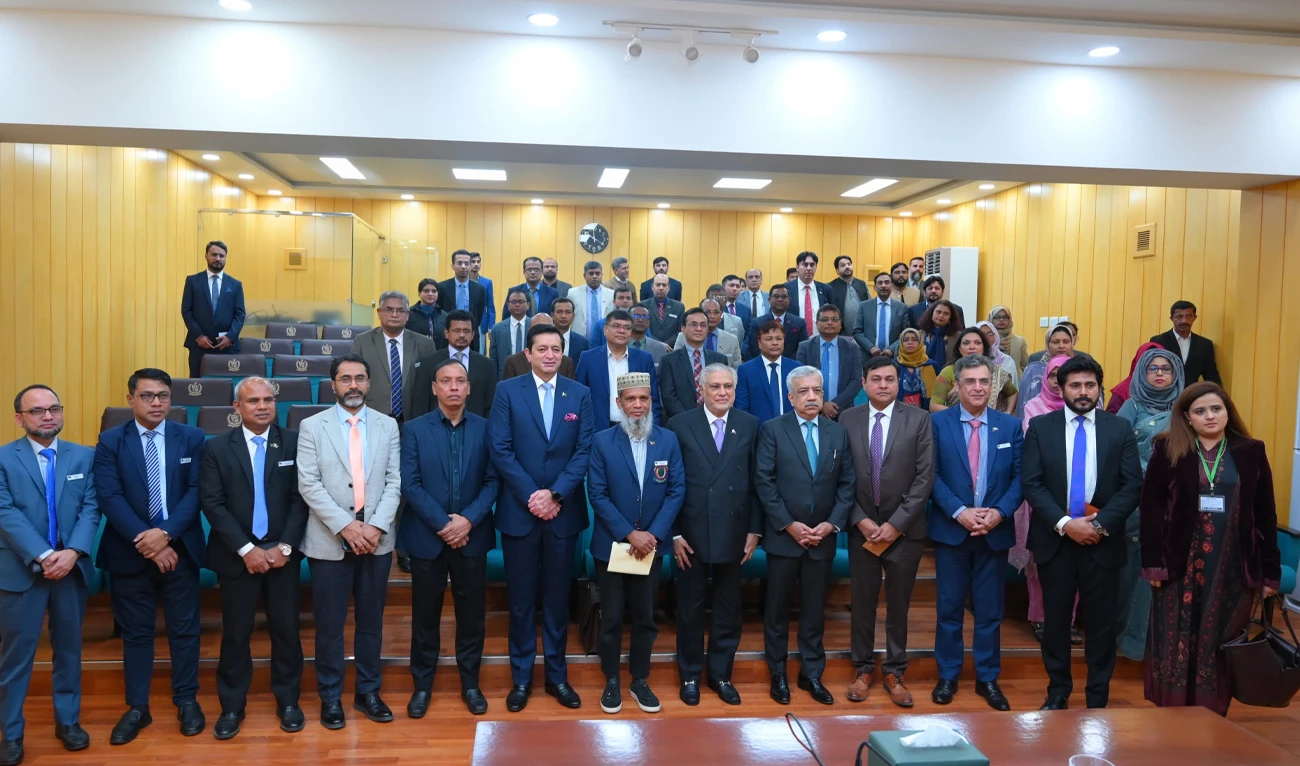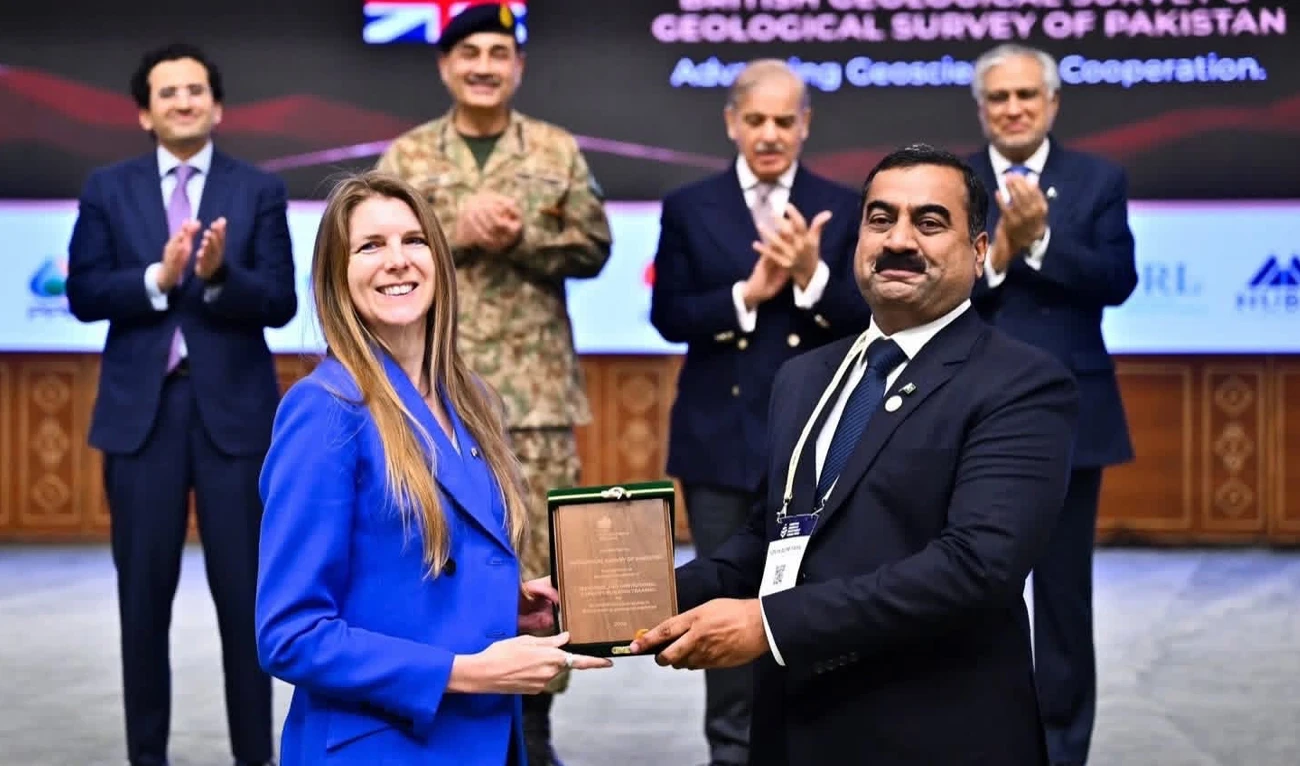
- Mining accounts for less than 2 percent of Pakistan’s economy despite deposits of copper, gold and other minerals
- Pakistani geologists have completed 16 weeks of UK-funded training in surveying, sampling and digital mapping
ISLAMABAD: British and Pakistani geological agencies have drafted an agreement to map Pakistan’s mineral deposits and share research, the British High Commission said this week, as Islamabad seeks foreign investment to develop its mining industry.
Pakistan has deposits of copper, gold and chromite, but mining accounts for less than 2 percent of its gross domestic product, according to the high commission. More detailed geological surveys would help companies assess where to explore before committing money to drilling or mine development.
The proposed agreement between the British Geological Survey and the Geological Survey of Pakistan would cover joint research, critical minerals and the environmental impact of mining. Pakistani survey staff have already completed 16 weeks of UK-funded training in techniques including geochemical sampling, airborne surveys and the use of remote sensing to identify geological features.
“Pakistan has extraordinary mineral potential. Turning that potential into sustainable jobs for the local community, exports and investment requires credible geological data, strong institutions and responsible environmentally sustainable and transparent supply chains,” British High Commissioner Jane Marriott said in the statement this week.
Marriott also outlined the proposal at last week’s Pakistan Minerals Investment Forum in Islamabad. The two-day gathering produced 13 agreements and memorandums of understanding, as Prime Minister Shehbaz Sharif urged investors to build processing and refining facilities in Pakistan so the country could earn more from its minerals than it does from exporting them raw.
Pakistan’s largest mining prospect is Reko Diq, an undeveloped copper and gold deposit in southwestern Balochistan, also home to the Saindak copper and gold mine. Canada’s Barrick Mining Corporation, which operates Reko Diq and holds a 50 percent stake, said in April it would slow development and extend a project review until mid-2027 because of worsening security in Pakistan and the wider region.
Pakistan has also sought American investment in mineral processing. In 2025, US Strategic Metals and Pakistan’s Frontier Works Organization signed a memorandum envisaging about $500 million in investment.
An initial shipment of mineral samples sent to the United States included antimony, copper concentrate and rare earth elements.