- Tehran meeting addresses regional security as Houthi attacks on Saudi Arabia widen conflict
- Saudi Arabia says talks seek to de-escalate tensions and strengthen regional stability
ISLAMABAD: Iran, Pakistan, Saudi Arabia and Türkiye agreed on Monday to continue regional security talks after a meeting in Tehran aimed at averting renewed fighting between Iran, Israel and the United States and containing an escalating conflict in Yemen.
The diplomatic push comes as Israeli and American leaders sharpen their warnings ahead of elections in both countries. Meanwhile, attacks by Yemen’s Iran-backed Houthis on Saudi Arabia have widened the conflict, threatening civilian infrastructure, energy supplies and regional trade.
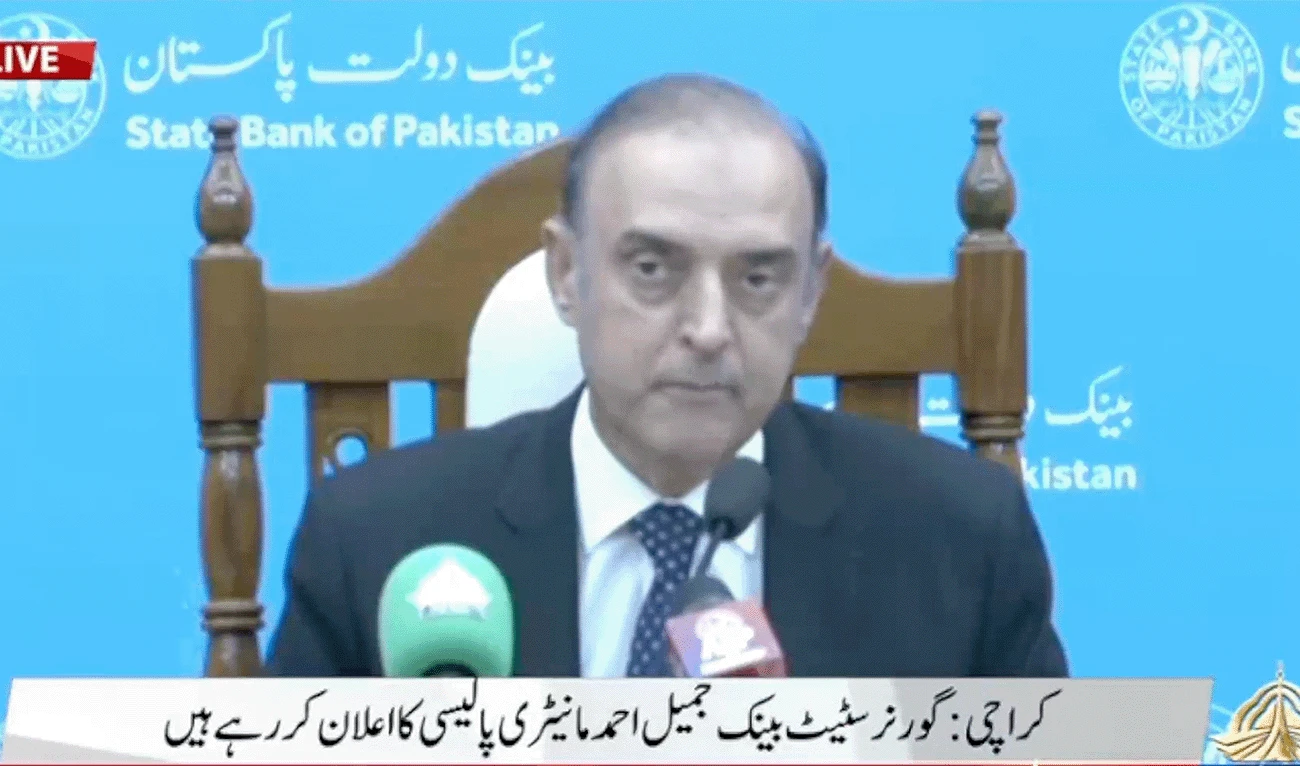
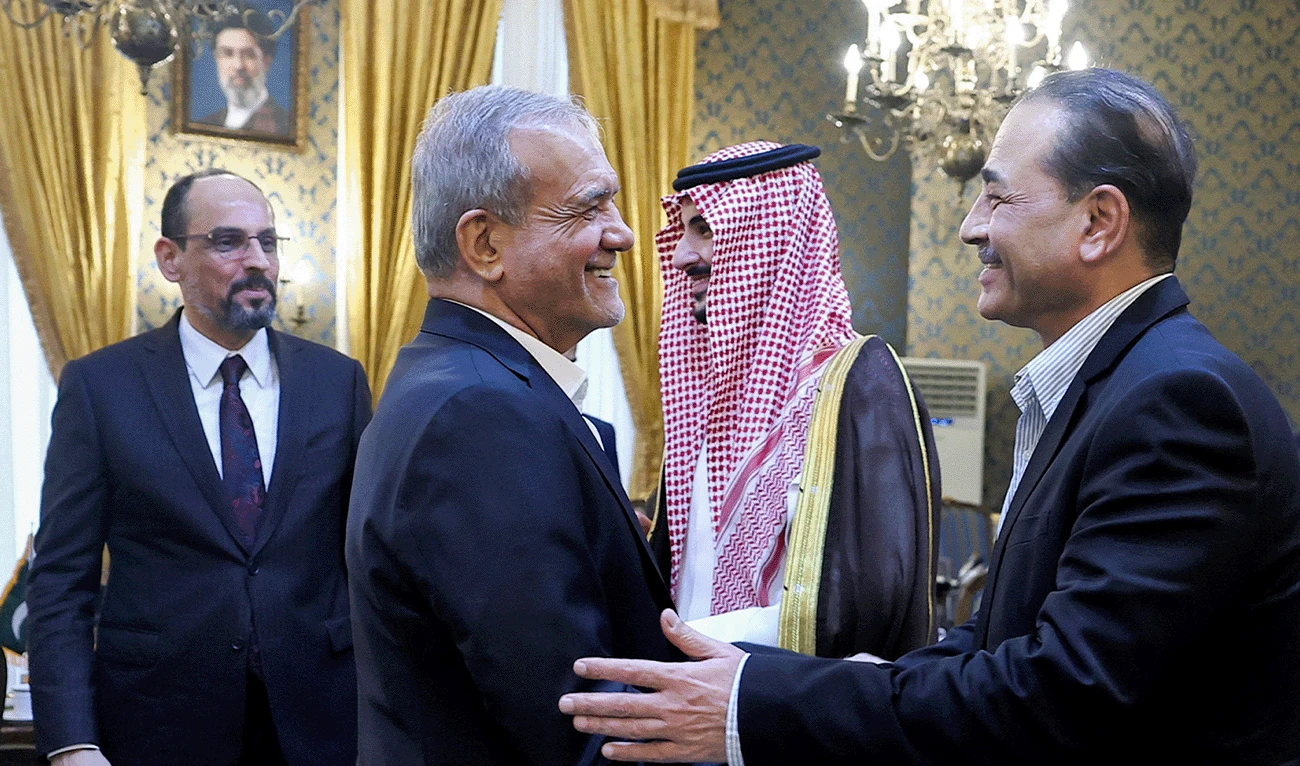
Saudi Defense Minister Prince Khalid bin Salman, Pakistani army chief Field Marshal Asim Munir and Turkish intelligence chief Ibrahim Kalin attended Monday’s talks in Tehran, hosted by Mohsen Rezaei, secretary of Iran’s Supreme National Security Council.
“The participants agreed to continue the dialogue to strengthen cooperation among the four regional countries, including for peace and security in the region,” a joint statement said.
Saudi Arabia said the delegations sought “ways to de-escalate tensions, enhance regional security and promote its stability.”
The joint statement did not specify when or where the next meeting would take place.
The war in Yemen and Houthi strikes on Saudi Arabia were discussed, The Associated Press reported, citing two regional officials who spoke on condition of anonymity because they were not authorized to brief reporters.
The meeting brought Iran together with the three signatories to the Makkah Joint Defense Agreement, signed in August by Pakistan, Saudi Arabia and Türkiye. The pact treats an armed attack on one member as an attack on all three.
The visiting delegations also met Iranian President Masoud Pezeshkian. Pakistani Interior Minister Mohsin Naqvi accompanied Munir, according to Iranian state news agency IRNA.
“The Islamic Republic of Iran supports any understanding aimed at strengthening the unity and cohesion of Islamic nations,” Pezeshkian said, according to IRNA.
DIPLOMACY AND WARNINGS
Turkish President Recep Tayyip Erdogan warned on Monday that renewed attacks on Iran would destabilize the region and harm countries that were not parties to the conflict.
“It is our hope that all parties will refrain from any actions that could drag our region into a new spiral of violence,” he said in a televised address.
Qatari mediators also traveled to Tehran on Sunday in coordination with Washington, AP reported, citing a regional official familiar with the diplomacy.
Pakistan and Qatar helped broker an interim agreement between the US and Iran in June intended to reopen the Strait of Hormuz to shipping, end the American blockade of Iranian ports and begin negotiations on a broader settlement addressing Iran’s nuclear program. The agreement quickly unraveled as both sides renewed attacks.
The strait, which carried about a fifth of the world’s oil and liquefied natural gas shipments before the war, remains a central point of contention. Disruption to shipping and attacks on energy infrastructure have raised costs for economies across the region and beyond.
Iranian Foreign Ministry spokesperson Esmail Baghaei said over the weekend that Tehran had not closed the door to diplomacy and that messages were passing to Washington through intermediaries. He accused US officials of demanding Iran’s “complete surrender,” which he said was unacceptable.
Israeli Prime Minister Benjamin Netanyahu said on Sunday that Iran or its allies could attack before Israel’s election on Tuesday, citing intelligence. He warned that Israel’s military was ready to defend and strike. The United States holds its midterm elections on November 3.
WIDENING YEMEN FRONT
The war began with US and Israeli strikes on Iran in February. Yemen has since become an increasingly active front, with the Houthis stepping up attacks against Saudi Arabia, hitting its airports and energy infrastructure.
A strike claimed by the group on Riyadh’s main airport earlier this month killed 13 people and halted operations. Saudi Arabia said two terminals reopened on Sunday despite renewed Houthi threats.
On Monday, Egypt’s parliament approved President Abdel Fattah El-Sisi’s request to provide military support to help Saudi Arabia defend against the attacks, AP reported.