- Central bank increases policy rate by half a percentage point as energy, wheat prices push inflation higher
- Business groups warn more expensive borrowing will hurt investment and exports
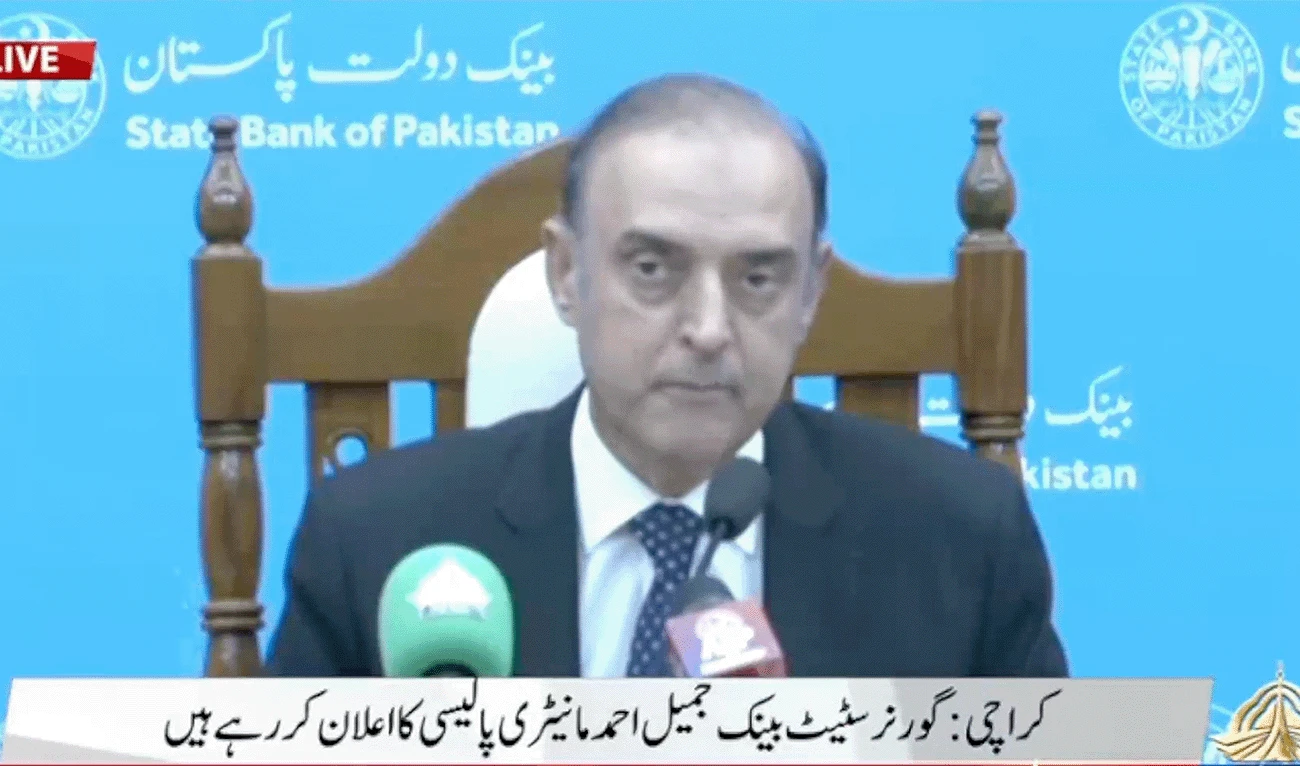
KARACHI: Pakistan’s central bank raised its benchmark interest rate by half a percentage point to 12 percent on Monday, citing a worsening inflation outlook as the Middle East conflict keeps energy prices high.
The increase, effective Tuesday, resumes monetary tightening after a one percentage point rise in April. The State Bank of Pakistan (SBP) had held its rate at 11.5 percent at its subsequent policy meetings.
September’s annual inflation reached 10.3 percent, above the central bank’s expectations and its medium-term target of 5–7 percent. The SBP said higher energy and wheat prices were major contributors and warned that their effects could spread to other prices.
“The Committee noted that the intensification in the Middle East conflict, and low prospects of its near-term resolution, are keeping global energy prices at persistently elevated levels,” the SBP said in its monetary policy statement.
The bank said the conflict had worsened its inflation outlook even though its forecasts for economic growth and the external account remained broadly unchanged. Nine of the monetary policy committee’s 10 members voted for the half-point increase.
“Considering these developments and the evolving risks, the MPC deemed today’s decision as necessary to keep inflation expectations anchored, contain second-round effects of the ongoing supply shock, and bring inflation within the target range of 5-7 percent,” it said.
The International Monetary Fund projected global inflation of 4.7 percent for 2026 in its October economic outlook, citing higher energy and food prices.
BUSINESSES OPPOSE HIKE
The Federation of Pakistan Chambers of Commerce and Industry (FPCCI) called the rate increase “counterproductive,” saying more expensive loans would weigh on manufacturers and exporters already facing high utility tariffs and operating costs.
“It deals a severe blow to ongoing economic stabilization efforts, dampens industrial expansion, and further erodes the global export competitiveness of Pakistani products in international markets,” FPCCI President Atif Ikram Sheikh said in a statement.
Karachi Chamber of Commerce and Industry President Talat Mahmood also opposed the decision.
“The move will further increase the cost of doing business, discourage private-sector investment and undermine efforts to accelerate economic growth,” he said in a statement.
Shankar Talreja, head of research at Topline Securities, said the increase was in line with market expectations and reflected inflation risks from oil and wheat prices.
“The inflation is getting out of hand,” he said, adding that the SBP was acting to bring it back within its target range.
Yasin Iqbal Kodvavi, director of research at Optimus Capital Management, said the central bank had given no clear indication of its next move, but he did not expect another rate increase, citing fiscal buffers and the tightening already undertaken.
Despite the inflation risks, the SBP kept its forecast for economic growth in fiscal 2026–27 at 3.5–4.5 percent. Large-scale manufacturing output rose 1.9 percent year on year in July and August, which the bank said pointed to a gradual recovery in activity.
Pakistan recorded an $874 million current account deficit in the fiscal year’s first quarter. The central bank expects the full-year deficit to remain between zero and one percent of gross domestic product.
SBP Governor Jameel Ahmad said remittances were now projected to reach $45 billion this fiscal year, up from an earlier estimate of $44 billion. He forecast exports of $32.5 billion–$33 billion and imports of $71 billion.
The bank warned that a further escalation of the conflict or adverse weather could threaten its growth outlook.