- US envoy expresses optimism about supply agreements, Pakistani officials report US firms’ interest in LNG
- Islamabad also pitches refinery upgrades as investment opportunities for US financial institutions
KARACHI: The United States is interested in pursuing long-term energy supply contracts with Pakistan, Islamabad’s Petroleum Ministry said on Monday, as the South Asian country seeks reliable fuel supplies amid disruptions caused by the Middle East conflict.
Pakistan relies on imported liquefied natural gas, or LNG, to supply power plants, industry and households. Disruptions to shipments from Qatar, its principal supplier, have forced Islamabad to seek replacement cargoes ahead of winter, when demand for heating rises.
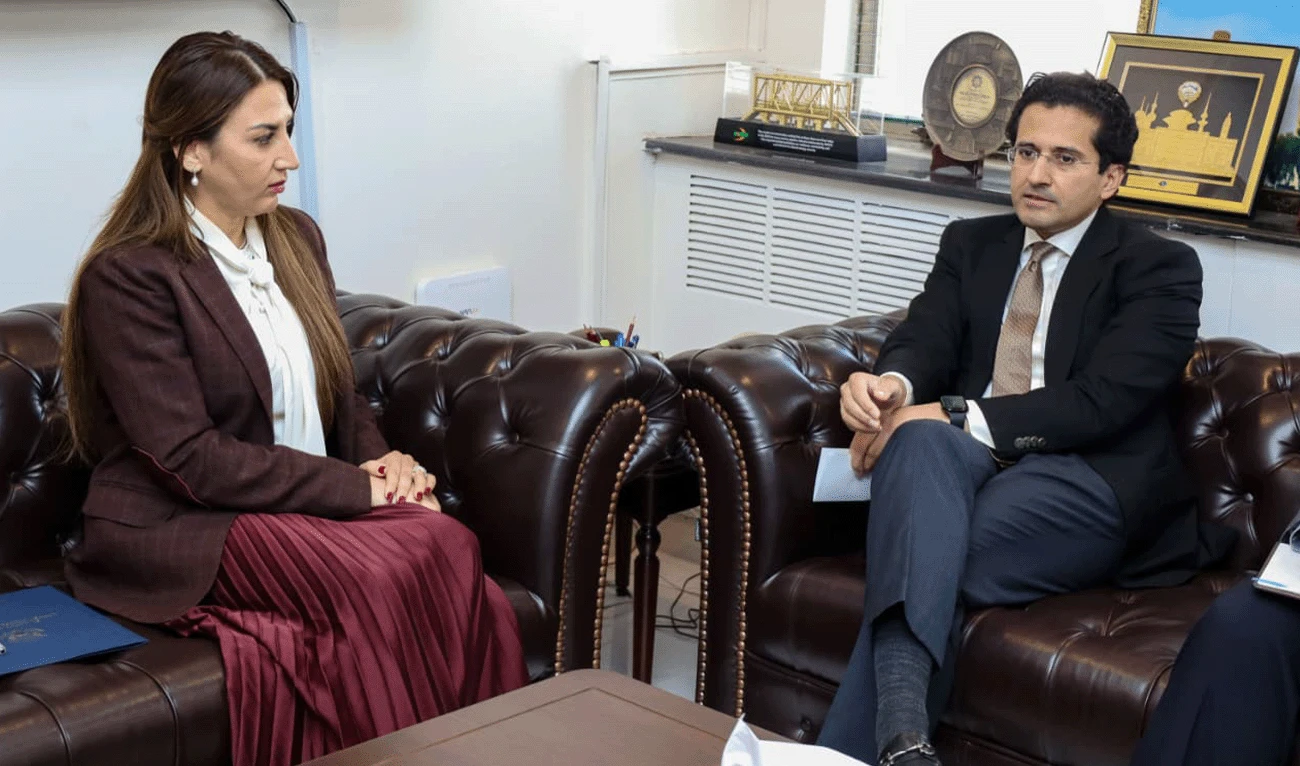
US Chargé d’Affaires Natalie Baker discussed potential energy cooperation with Petroleum Minister Ali Pervaiz Malik in Islamabad, according to a statement from the ministry. The talks included interest from American LNG suppliers and possible US financing for Pakistan’s refinery modernization program.
“She emphasized the importance of creating opportunities for US companies in Pakistan and expressed optimism about establishing long-term energy supply contracts, noting that such arrangements would be mutually beneficial and create opportunities for American businesses,” the ministry said of Baker.
The managing directors of state-owned Pakistan State Oil and Pakistan LNG Limited briefed the meeting on US companies’ interest in supplying LNG to Pakistan.
The statement did not identify the companies, specify proposed volumes or prices, or indicate whether contract negotiations had begun. No supply agreement was announced. The US embassy has not released a handout of Monday’s meeting.
Pakistan normally receives an average of nine LNG cargoes a month from Qatar under long-term agreements. Those supplies have been severely disrupted since March, when QatarEnergy declared force majeure following an attack on its gas infrastructure during the US-Iran conflict. Shipping through the Strait of Hormuz has also been affected.
Official documents reported by Arab News earlier this month outlined a requirement for 24 LNG cargoes during November-February, including contingency supplies. The proposed winter plan envisaged purchases from Qatar and the spot market, where individual shipments are bought at prevailing prices rather than under long-term contracts.
Long-term agreements can provide greater supply certainty, but their terms matter. The Institute for Energy Economics and Financial Analysis has warned that obligations to pay for contracted LNG regardless of whether it is needed could expose Pakistan to substantial costs if demand weakens again.
Malik also presented Pakistan’s refinery upgrade program as an opportunity for US financial institutions. The government estimates that modernizing its five existing refineries could attract around $6 billion in investment over five years.
That proposal builds on earlier discussions: Finance Minister Muhammad Aurangzeb raised possible US Export-Import Bank support for refinery upgrades during meetings in New York in September.
Monday’s statement said teams from both countries remained engaged in exploring energy cooperation. Malik also invited American companies to participate in the upcoming Pakistan Minerals Investment Forum next month.