- Islamabad backs Kingdom’s right to defend territory, citizens and national assets
- Houthi attacks around Bab Al-Mandab raise concerns over global trade, oil supplies
ISLAMABAD: Pakistan on Tuesday strongly condemned a surge in Houthi attacks on Saudi Arabia, warning that an escalation in Yemen and around a key Red Sea shipping route has brought the conflict to a “dangerous juncture” with consequences for regional stability and global energy security.
The Iran-aligned Houthis have intensified missile and drone attacks on Saudi Arabia in recent weeks while threatening commercial shipping in the strategic Bab Al-Mandab Strait, the narrow strait between Yemen and the Horn of Africa that connects the Red Sea with the Gulf of Aden and is a major artery for international shipping. The escalation threatens a crucial route for Saudi oil exports at a time when the US-Iran war has already severely disrupted energy shipments through the Strait of Hormuz.
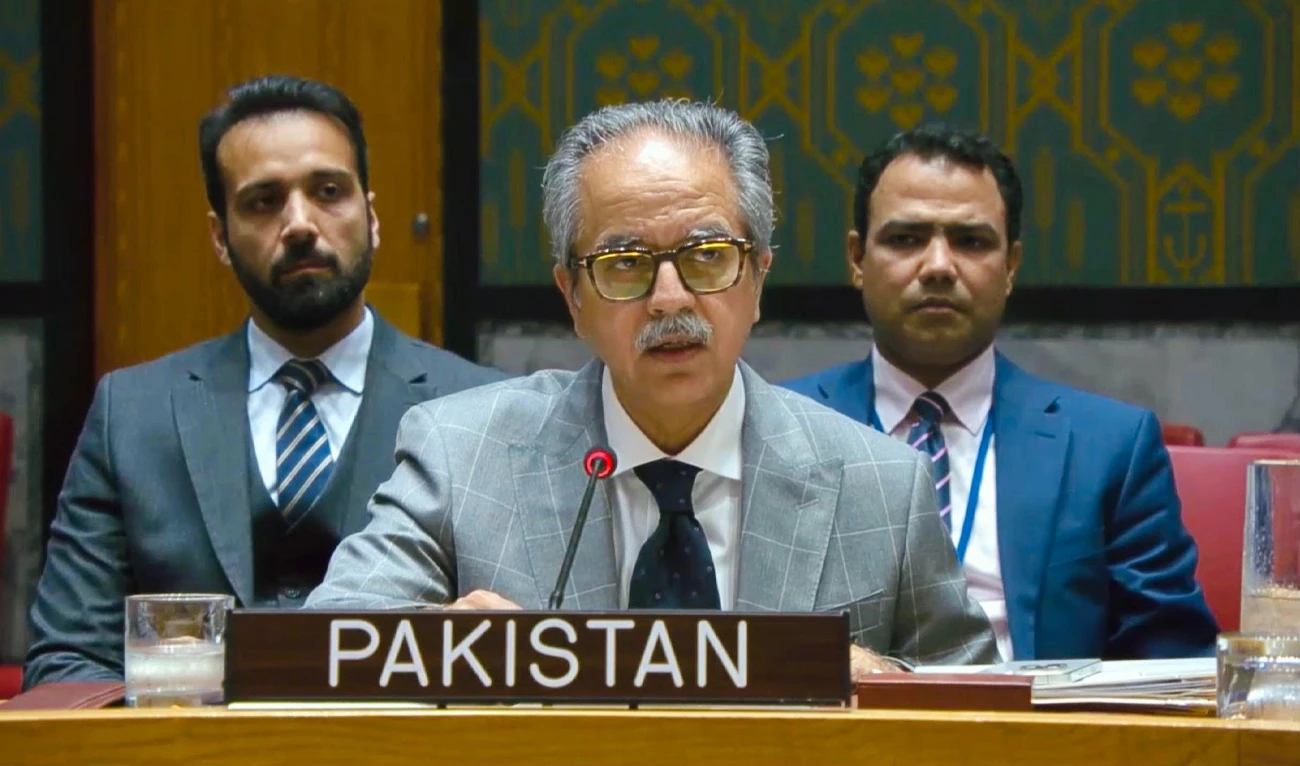
“Pakistan condemns, in the strongest terms, all Houthi attacks against the Kingdom of Saudi Arabia,” Pakistan’s UN Ambassador Asim Iftikhar Ahmad said while addressing an emergency meeting of the United Nations Security Council, adding that these attacks “threaten regional peace and stability with serious consequences for the global economy and energy security.”
Ahmad said Prime Minister Shehbaz Sharif had reiterated Pakistan’s condemnation of the attacks in a conversation with Saudi Crown Prince Mohammed bin Salman this week.
He said Pakistan stood in “complete solidarity” with Saudi Arabia and supported its right under the UN Charter and international law to defend its territory, citizens and national assets.
“The Houthi military escalation inside Yemen, the continued Houthi attacks against the Kingdom of Saudi Arabia and the latest military developments along Yemen’s Red Sea coast have brought the conflict to an extremely dangerous juncture,” he added.
Yemen’s conflict, which has killed hundreds of thousands of people through fighting and its wider consequences, had remained relatively contained since a UN-brokered truce in 2022. However, fighting has intensified again in recent weeks, with Houthi forces also targeting Saudi cities and commercial vessels linked to the Kingdom in the Red Sea.
The route has assumed greater importance for Gulf energy exporters since the US-Iran war began in February and disrupted shipping through the Strait of Hormuz, through which about a fifth of global oil and liquefied natural gas supplies passed before the conflict.
Ahmad described the expansion of Houthi attacks in and around Bab Al-Mandab as a “serious escalation,” saying threats to the waterway could affect international trade, shipping, global supply chains and energy security.
Saudi Arabia has meanwhile faced a series of Houthi missile and drone attacks. Thirteen civilians were injured in attacks targeting areas in Khamis Mushait, Abha and Taif on Monday, according to Saudi authorities, while more than 70 people were injured in attacks across the Kingdom last week.
The renewed fighting inside Yemen has also deepened the humanitarian crisis in that country, uprooting more than 100,000 people, according to the United Nations refugee agency.
Ahmad called for urgent diplomacy to prevent Yemen from being drawn further into the wider regional confrontation and backed the resumption of an inclusive, Yemeni-led political process under UN auspices.
“Diplomacy must assume urgency in proportion to the gravity of this situation,” he said.