- The panel urges PMDC to reconsider annual 22,300-seat cap, saying 93,000 students miss admissions each year
- Former health minister Dr. Nadeem Jan stresses balancing expansion with strict international education standards
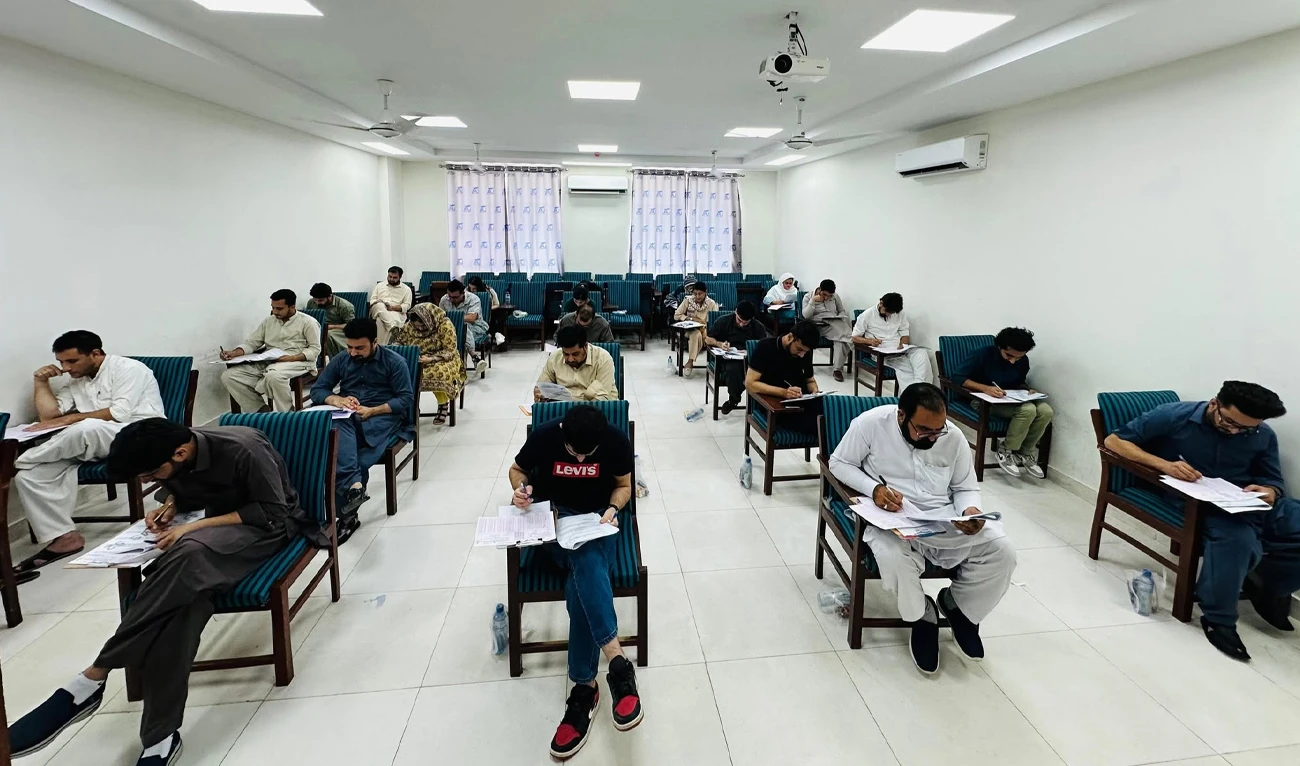
ISLAMABAD: A Pakistani parliamentary committee on Tuesday called for an overhaul of the Medical and Dental College Admission Test (MDCAT) and an increase in the number of medical school seats for students, amid concerns that tens of thousands of students were unable to secure admissions each year despite qualifying MDCAT.
MDCAT is a mandatory entrance examination for students seeking admission to public and private medical and dental schools in Pakistan, where medical education and professional standards are regulated by the Pakistan Medical and Dental Council (PMDC).
The South Asian country offers around 22,300 annual seats for students seeking admission to Bachelor of Medicine, Bachelor of Surgery (MBBS) and Bachelor of Dental Surgery (BDS) programs in public and private medical colleges.
The Senate standing committee on health, chaired by Senator Amir Chishti, reviewed a report on proposed reforms to the country's medical education system, which said around 93,000 students who qualify MDCAT are unable to secure admissions to medical colleges each year.
“There is a need for a long-term strategy. The goal is not only to satisfy domestic healthcare requirements but also to position Pakistan as a major exporter of skilled medical professionals,” said Senator Anusha Rahman, who presented the report.
“PMDC should review the current limit of 22,300 annual medical seats. The expansion would create economies of scale and help lower the soaring costs of medical education.”
The report was compiled by members of the Senate committee on the instructions of its chair, Chishti, following concerns about medical education in Pakistan.
The committee recommended a series of structural reforms, including lifting the existing cap of 22,300 annual medical seats and reviewing the current 50 percent weightage given to MDCAT in admissions.
It called for stronger oversight of foreign medical institutions in Pakistan, including compilation and public disclosure of a list of non-compliant medical and dental schools.
During the session, PMDC President Dr. Rizwan Taj assured the committee that the council would examine the issues faced by aspiring medical students in light of the committee's recommendations.
However, Maj. Gen. Muhammad Suhail Amin, chairman of a committee to oversee MDCAT reforms formed by PMDC in 2024, cautioned that increasing the number of medical school seats would be challenging to maintaining existing standards.
“How can we create new seats while maintaining the standard of medical education in the country? It’s not easy to establish a new private medical college given the expenses required,” he said.
Amin said that regulating private medical colleges was difficult because "some institutions had strong backing in influential circles."
Dr. Nadeem Jan, a former federal health minister, said Pakistan urgently needed to increase the number of doctors, but any expansion should not come at the expense of educational standards.
“MDCAT system requires improvement, but there must not be a compromise on quality. There is a need for a balance between quality and quantity,” Jan said.
He noted that PMDC secured recognition from the World Federation for Medical Education (WFME) during his tenure in 2024, a development that enabled Pakistani medical graduates to pursue postgraduate training and professional opportunities in countries, including the United States, Canada, Australia and New Zealand.
“This was only possible by maintaining high standards of medical education in Pakistan. The WFME standards are rigorous,” Jan said. "We must adhere to those standards to continue to produce high-quality health professionals."
If Pakistan wanted to become a major exporter of medical professionals, it would need to compete with other countries by offering education and training of high standards, according to Jan.
At the conclusion of the session, Senator Chishti directed PMDC to ensure "meaningful collaboration" with private medical colleges, stressing that any expansion in medical education must go hand in hand with strict regulatory enforcement.