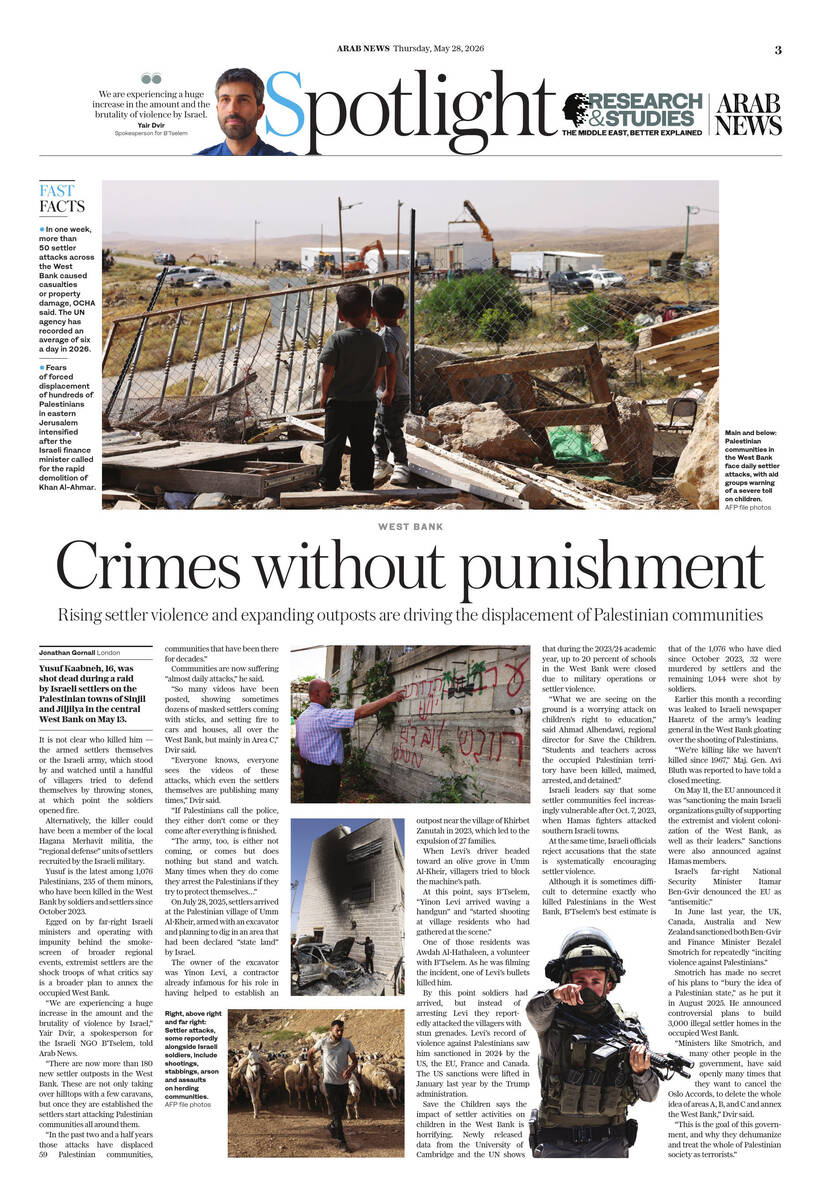
- Human rights groups say armed settlers are displacing Palestinian communities with growing impunity under military protection
- Attacks on villages, schools and Bedouin communities are deepening fears of de facto annexation across the occupied territory
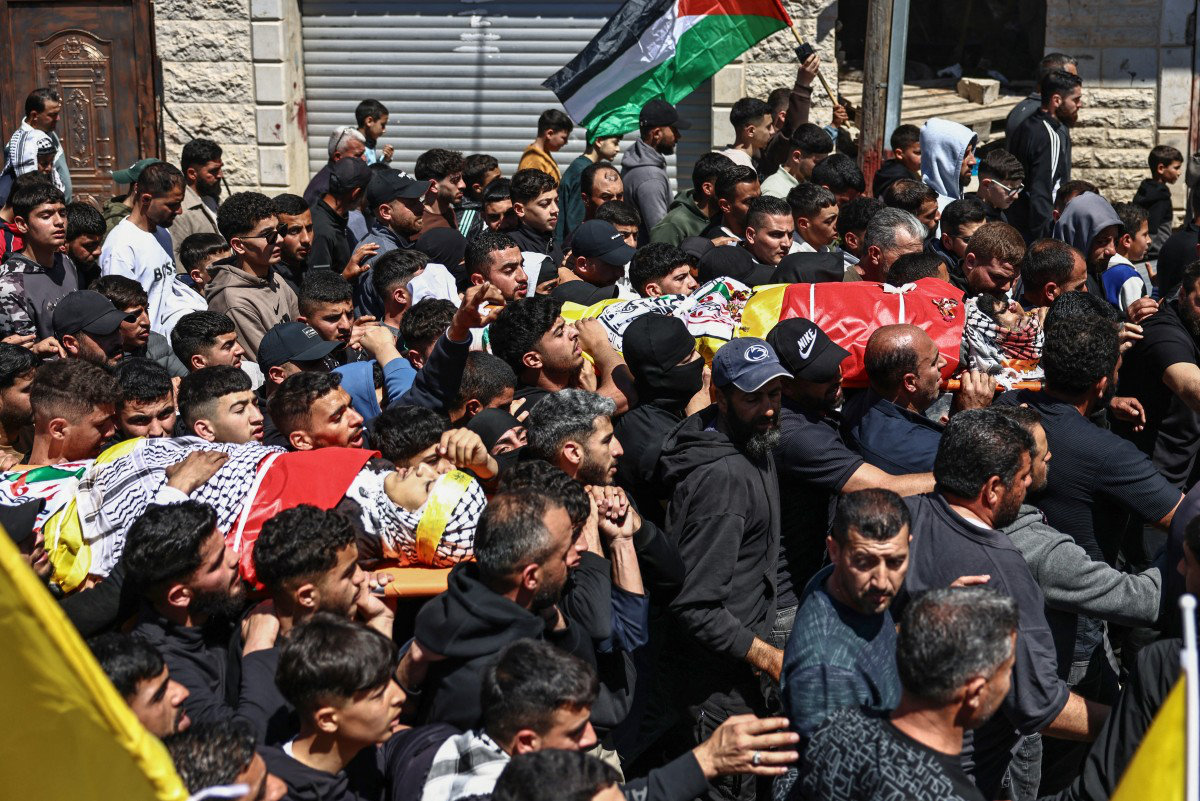
LONDON: Yusuf Kaabneh, 16, was shot dead during a raid by Israeli settlers on the Palestinian towns of Sinjil and Jiljilya in the central West Bank on May 13.
It is not clear who killed him — the armed settlers themselves or the Israeli army, which stood by and watched until a handful of villagers tried to defend themselves by throwing stones, at which point the soldiers opened fire.
Alternatively, the killer could have been a member of the local Hagana Merhavit militia, the “regional defense” units of settlers recruited and armed by the Israel Defense Forces.
Whoever shot Yusuf, he is only the latest among 1,076 Palestinians, 235 of them minors, who have been killed in the West Bank by soldiers and settlers since October 2023.
All of them, say human rights activists in Israel, are victims of an out-of-control extremist settler movement.
Egged on by far-right Israeli ministers and operating with impunity behind the smokescreen of broader regional events, the settlers are the shock troops of what critics say is a broader plan to annex the occupied West Bank.
According to B’Tselem (the Israeli Information Center for Human Rights in the Occupied Territories), in the past two and a half years no fewer than 59 communities have been forced out by settlers, who have built 180 new outposts in the West Bank.
“We are experiencing a huge increase in the amount and the brutality of violence by Israel,” Yair Dvir, a spokesperson for B’Tselem, told Arab News.
“There are now more than 180 new settler outposts in the West Bank. These are not only taking over hilltops with a few caravans, but once they are established the settlers start attacking Palestinian communities all around them.
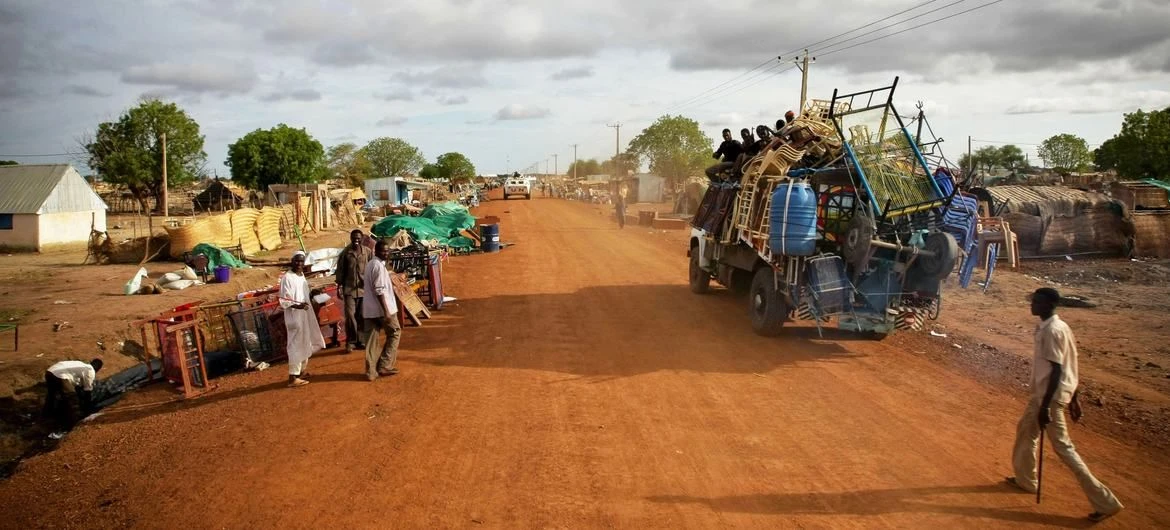
“In the past two and a half years those attacks have displaced 59 Palestinian communities, communities that have been there for decades.
“Some are small, just a few families. But some are big communities of hundreds of people, living there with schools, their agriculture and herds.”
Communities are now suffering “almost daily attacks,” he said.
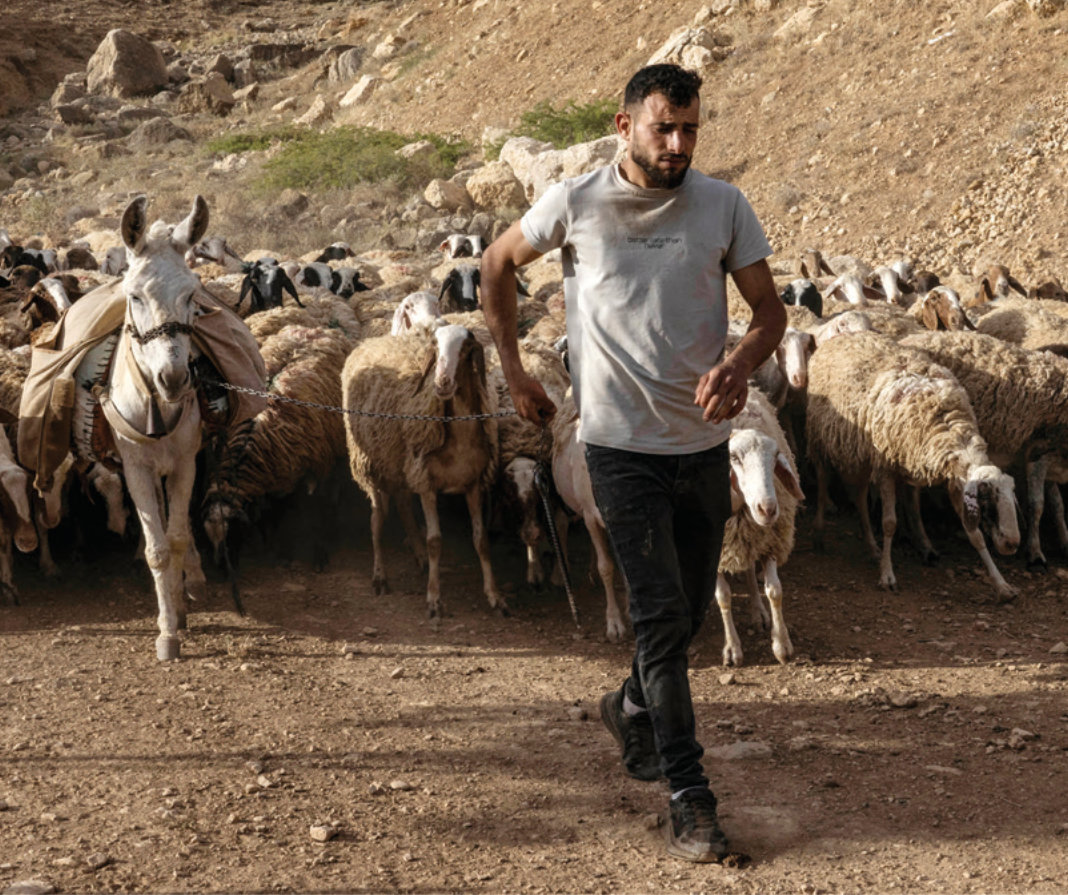
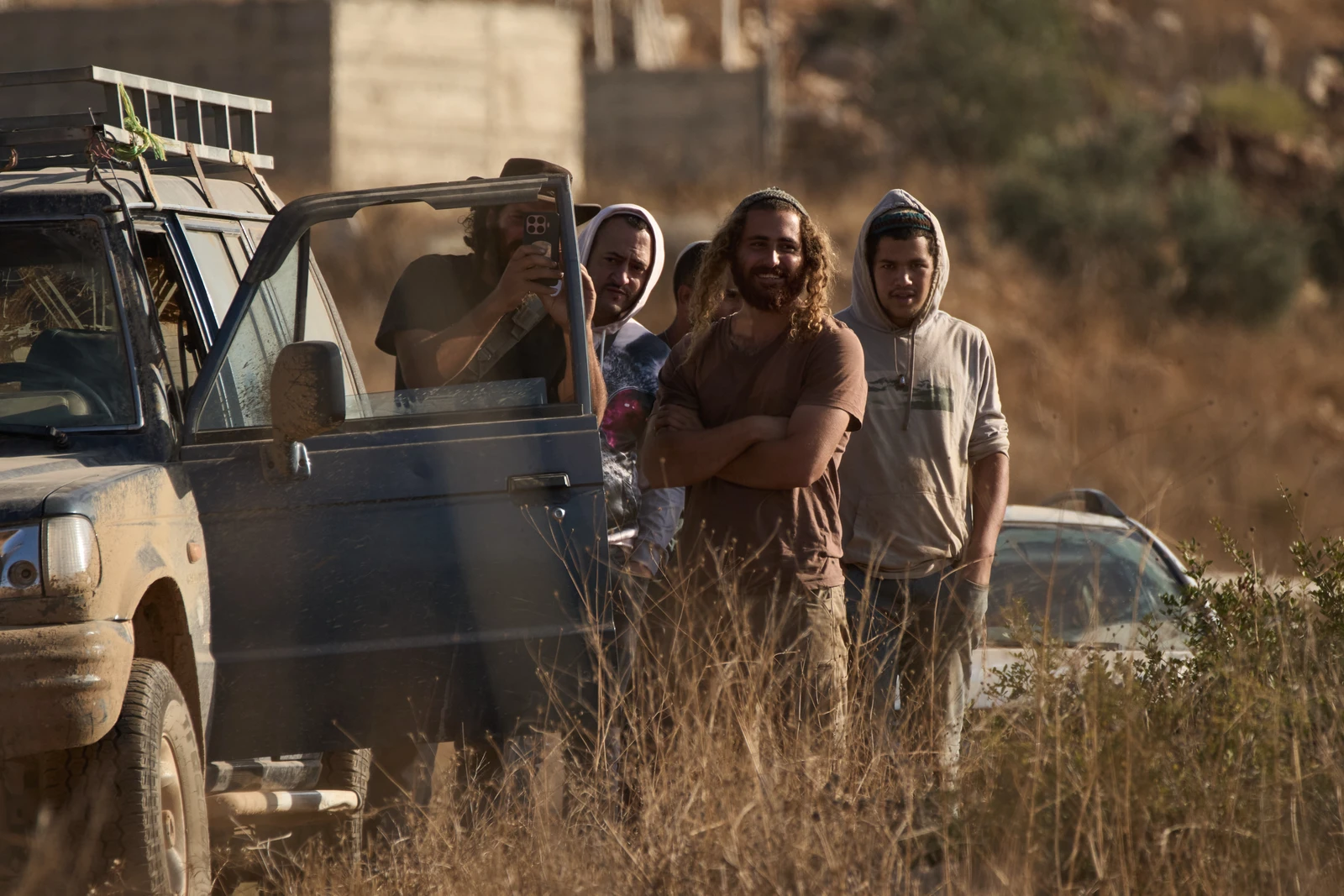
These range from settlers walking into villages, often with flocks of sheep, “harassing the villagers and letting their animals eat their crops and fodder,” to violent assaults and damage to homes and possessions.
Assaults are reportedly carried out with impunity.
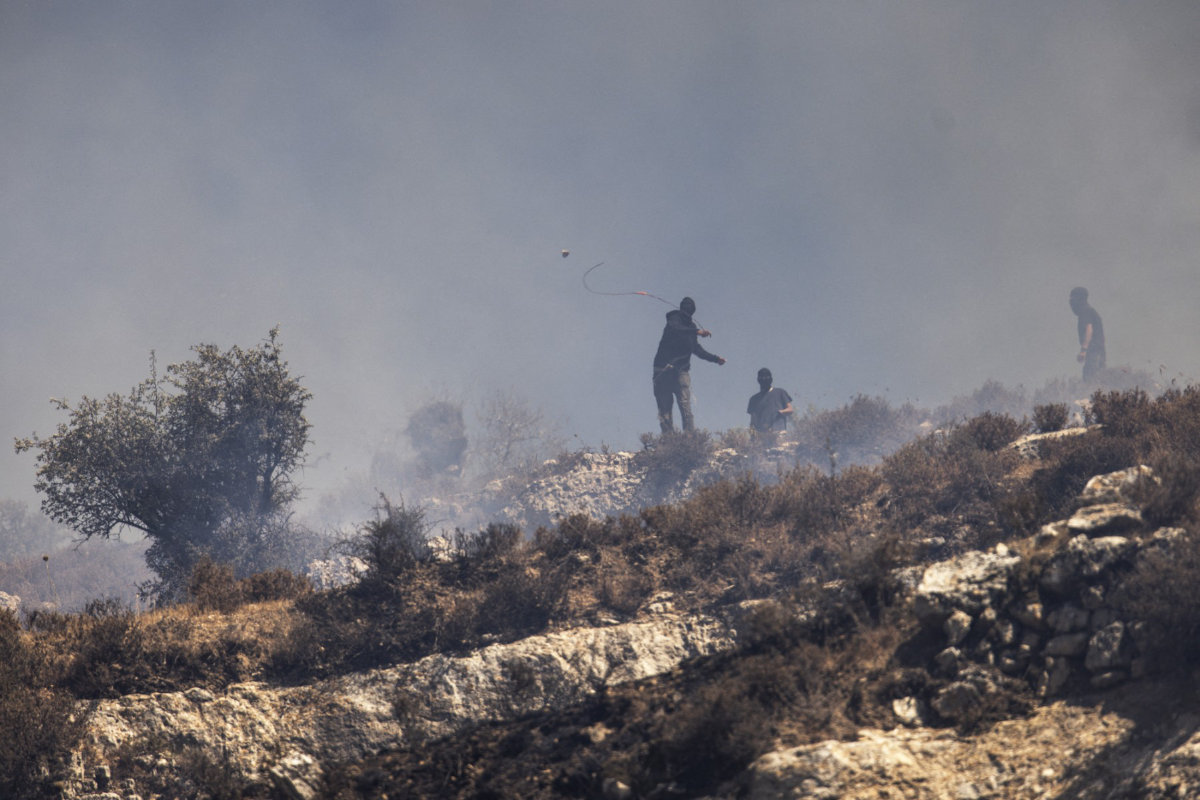
“So many videos have been posted, showing sometimes dozens of masked settlers coming with sticks, and setting fire to cars and houses, all over the West Bank, but mainly in Area C,” Dvir said.
Under the terms of Oslo Accords, which divided the West Bank into three zones, Israel retains control over security, planning, construction, and land administration Area C.
Area A is under Palestinian civil and security control, and Area B is under Palestinian civil control, with shared Israeli-Palestinian security.
“Everyone knows, everyone sees the videos of these attacks, which even the settlers themselves are publishing many times,” Dvir said.
“If Palestinians call the police, they either don’t come or they come after everything is finished.
“The army, too, is either not coming, or comes but does nothing but stand and watch. Many times when they do come they arrest the Palestinians if they try to protect themselves or block the settlers.”
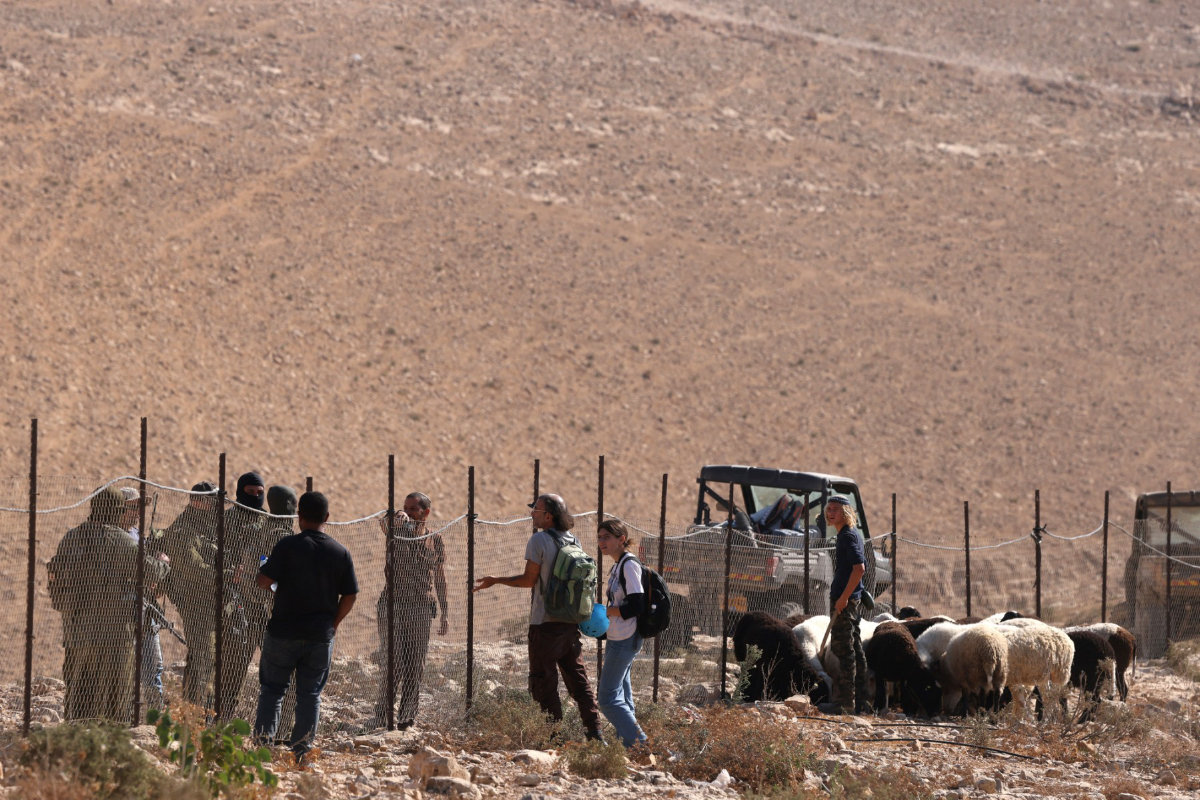
Palestinians, he added, “understand that they don’t have any way to protect themselves, and this is why in community after community people have just taken their stuff and gone, leaving the settlers to take over their land.”
One widely circulated video documenting a murder was filmed by the victim himself.
On July 28, 2025, settlers arrived at the Palestinian village of Umm Al-Kheir, armed with an excavator and planning to dig in an area that had been declared “state land” by Israel.
The owner of the excavator was Yinon Levi, a contractor already infamous for his role in having helped to establish an outpost near the village of Khirbet Zanutah in 2023, which led to the expulsion of 27 families.
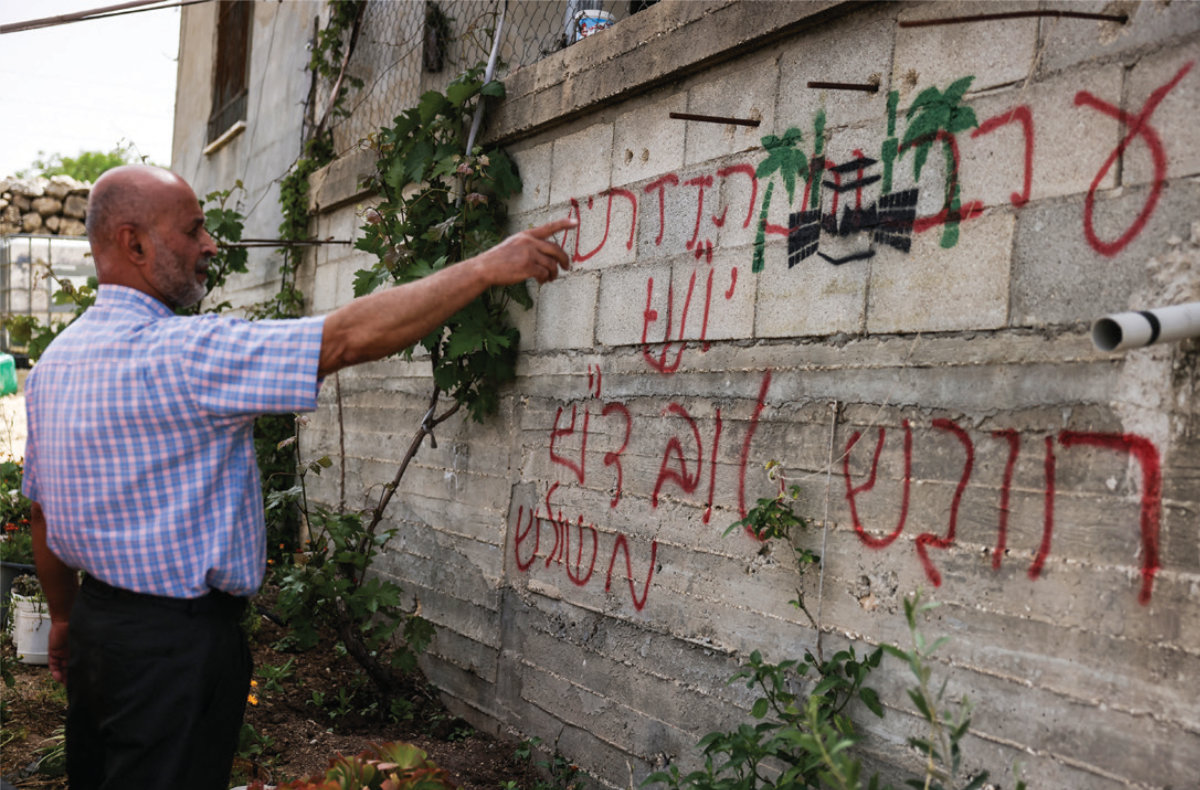
When Levi’s driver headed toward an olive grove in Umm Al-Kheir, villagers tried to block the machine’s path. One threw a stone, and the driver hit one of the villagers on the head with a hammer, knocking him out.
At this point, says B’Tselem, “Yinon Levi arrived waving a handgun” and “started shooting at village residents who had gathered at the scene.”
One of those residents was Awdah Al-Hathaleen, a 31-year-old father of three, peace activist and volunteer with B’Tselem. As he was filming the incident, one of Levi’s bullets struck him in the chest, killing him.
By this point soldiers had arrived, but instead of arresting Levi they reportedly attacked the villagers with stun grenades.
The killing of Al-Hathaleen, said B’Tselem, “marked the beginning of a campaign of harassment by settlers, the military and police against his grieving family and the village residents.”
Levi’s record of violence against Palestinians saw him sanctioned in 2024 by the US, the EU, France and Canada. The US sanctions were lifted in January last year by the new Trump administration.
After the shooting of Al-Hathaleen in July, Levi was placed under house arrest for three days. In February prosecutors announced he was to be indicted on a charge of reckless homicide, but no trial date has yet been set.
Even if he is tried, statistics show that more than 90 percent of cases of violence against Palestinians result in a charge, and that only a tiny percentage of cases that go to court end in a conviction.
The last extremist settler convicted for murder was Amiram Uliel, who in 2015 killed Saad and Riham Dawabsheh and their 18-month-old son Aliu in a firebomb attack on their home in the village of Duma. Uliel was convicted of murder and jailed in May 2020.
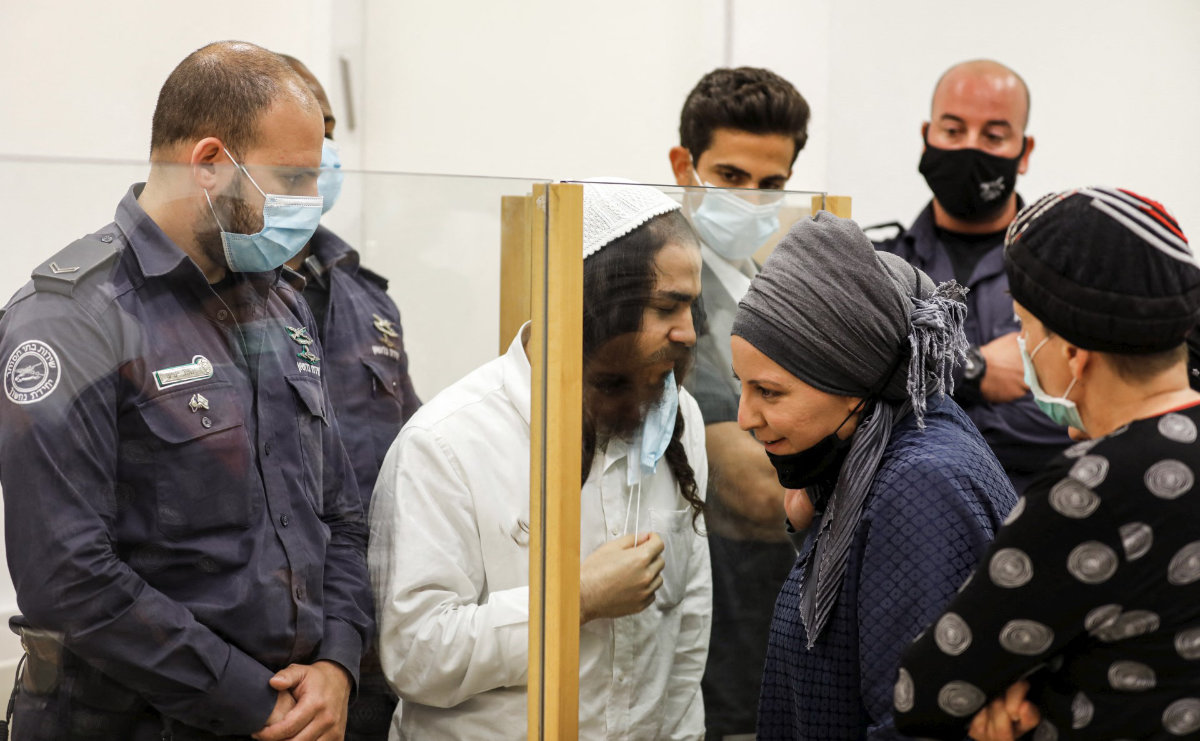
At the time, the Israeli government made much of the case, and the even-handedness of the Israeli justice system it supposedly illustrated. An analysis in the Israeli newspaper Haaretz had a different take, however.
“In theory,” it read, “one could sigh with relief and even feel some satisfaction and pride. Justice was done, the murderer was convicted, and the legal system worked, even though the victims were Palestinians and the murderer was a Jew.”
But, it added, “even a broken clock gets the time right twice a day ... Israel acted as if its law enforcement system was equitable and just. But the clock was and still is broken.”
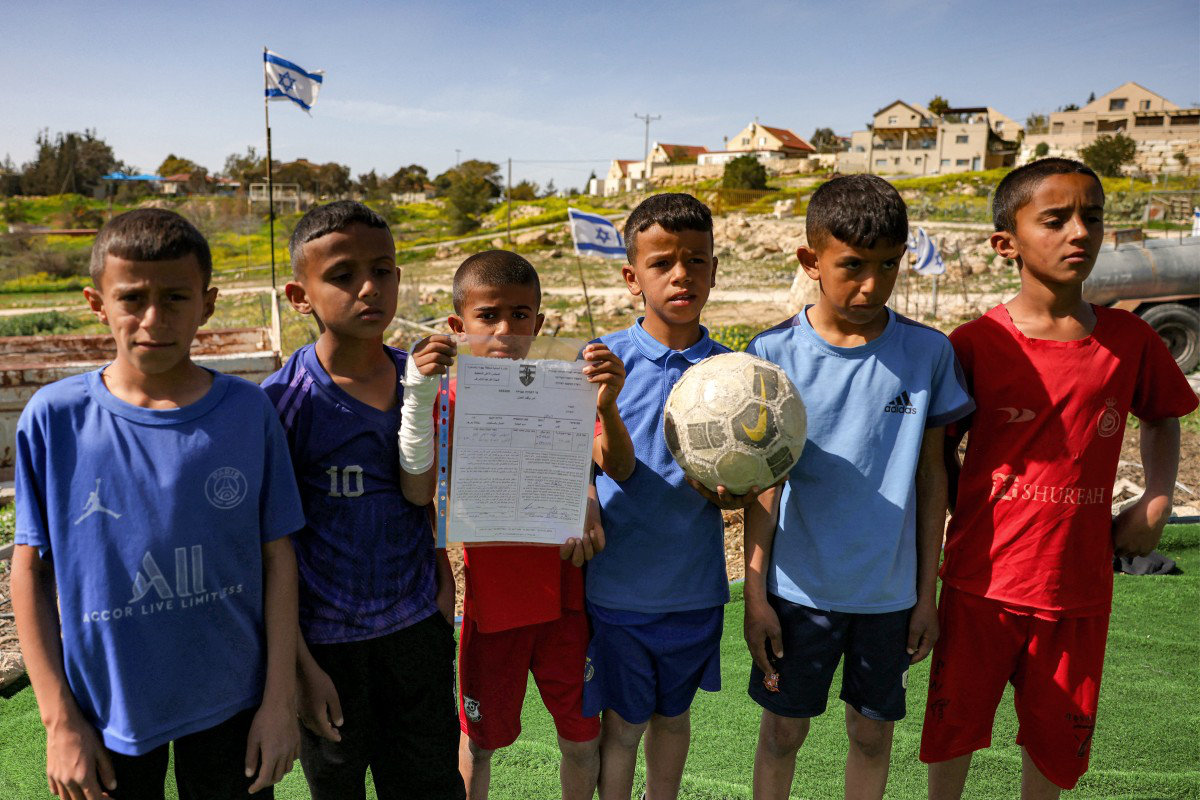
Save the Children, which has been working in the area since 1953, says the impact of settler activities on children in the West Bank is horrifying.
On April 21, a 14-year-old died when settlers accompanied by soldiers reportedly entered the village of Al-Mughayyir and began shooting in the direction of the school.
In the same week, Israel’s Ministry of Education reported the demolition by the IDF of a school in the northern Jordan Valley.
Newly released data from the University of Cambridge and the UN shows that during the 2023/24 academic year, up to 20 percent of schools in the West Bank were closed due to military operations or settler violence, with the loss of up to three months of learning time for the children concerned.
Last month more than 50 children in Umm Al-Kheir were blocked for more than two weeks from entering their school by a barbed-wire fence erected by settlers.
“What we are seeing on the ground is a worrying attack on children’s right to education,” said Ahmad Alhendawi, regional director for Save the Children.
“Students and teachers across the occupied Palestinian territory have been killed, maimed, arrested, and detained.
“No child should be denied the right to education, too scared to walk to school or be faced with violence while travelling to school.”
From the Israeli government’s perspective, the West Bank is no longer viewed solely as a low-intensity security arena but as a front that could evolve into a far more serious threat if left unchecked.
Officials argue that military raids, arrests and expanded security operations are intended to dismantle militant infrastructure before attacks can be carried out inside Israel or against settlements and roads used by Israelis in the occupied territory.
Israeli leaders also say that some settler communities have become more heavily armed and organized because residents feel increasingly vulnerable after Oct. 7, 2023, when Hamas fighters breached southern Israeli towns and killed around 1,200 people.
At the same time, Israeli officials reject accusations that the state is systematically encouraging settler violence, insisting that attacks on Palestinians are criminal acts carried out by extremists and not official policy.
ALSO READ:
• How Israel’s hilltop settlers coordinate attacks to expel Palestinians
• Israeli settlers kill Palestinian man in raid on village
• West Bank Bedouin community driven out by Israeli settler violence
• Israeli forces demolish residential, agricultural structures as settlers attack farmers in West Bank
Although it is sometimes difficult to determine exactly who killed Palestinians in the West Bank, B’Tselem’s best estimate is that of the 1,076 who have died since October 2023, 32 were murdered by settlers and the remaining 1,044 were shot by soldiers.
Earlier this month a recording was leaked to Israeli newspaper Haaretz of the army’s leading general in the West Bank gloating over the shooting of Palestinians.
“We’re killing like we haven’t killed since 1967,” Maj. Gen. Avi Bluth was reported to have told a closed meeting.
Israel’s government appears impervious to global approbation.
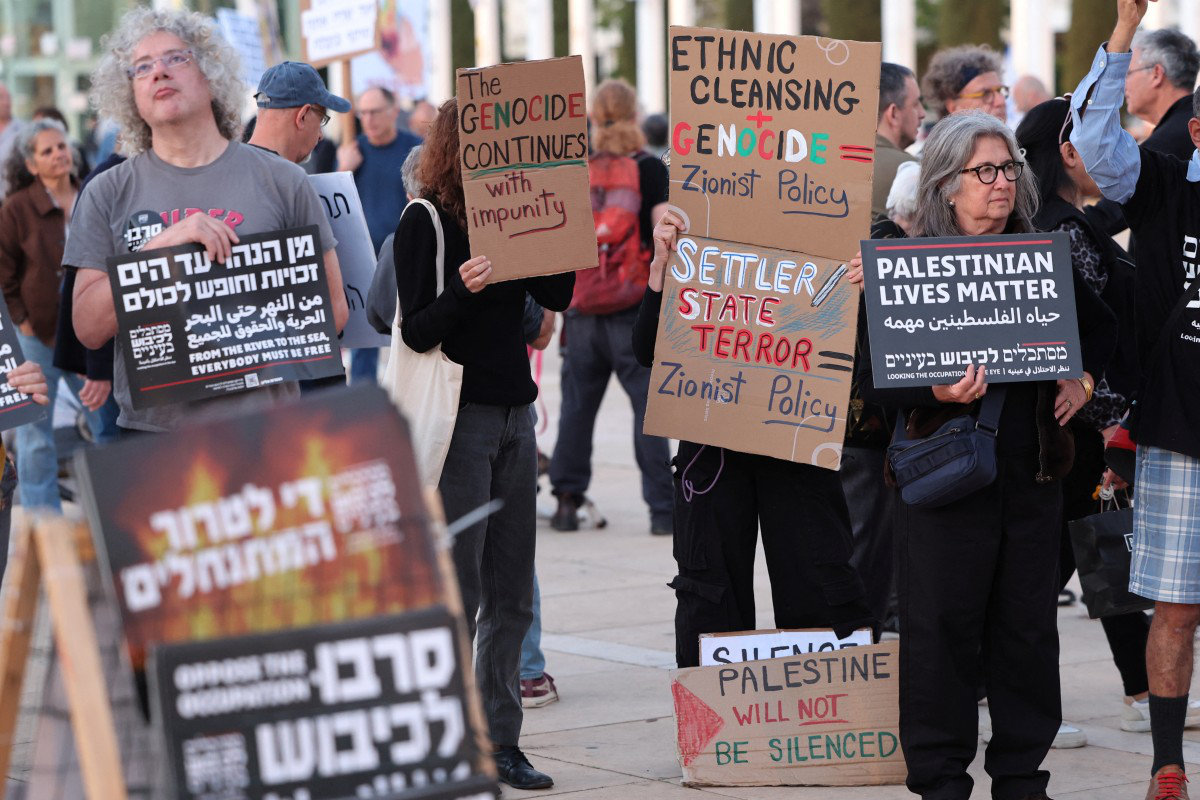
On May 11, after Hungary’s new government lifted the veto imposed by its predecessor, the EU announced it was “sanctioning the main Israeli organizations guilty of supporting the extremist and violent colonization of the West Bank, as well as their leaders.”
“Violence and extremism,” said Kaja Kallas, the EU’s foreign policy chief, “carry consequences.”
Sanctions were also announced against members of Hamas. In response, Israeli Prime Minister Benjamin Netanyahu posted on X, “the European Union exposed its moral bankruptcy by drawing a false symmetry between Israeli citizens and Hamas terrorists.”
Israel’s far-right National Security Minister Itamar Ben-Gvir denounced the EU as “antisemitic,” saying it was “trying to tie the hands of those who defend themselves.”
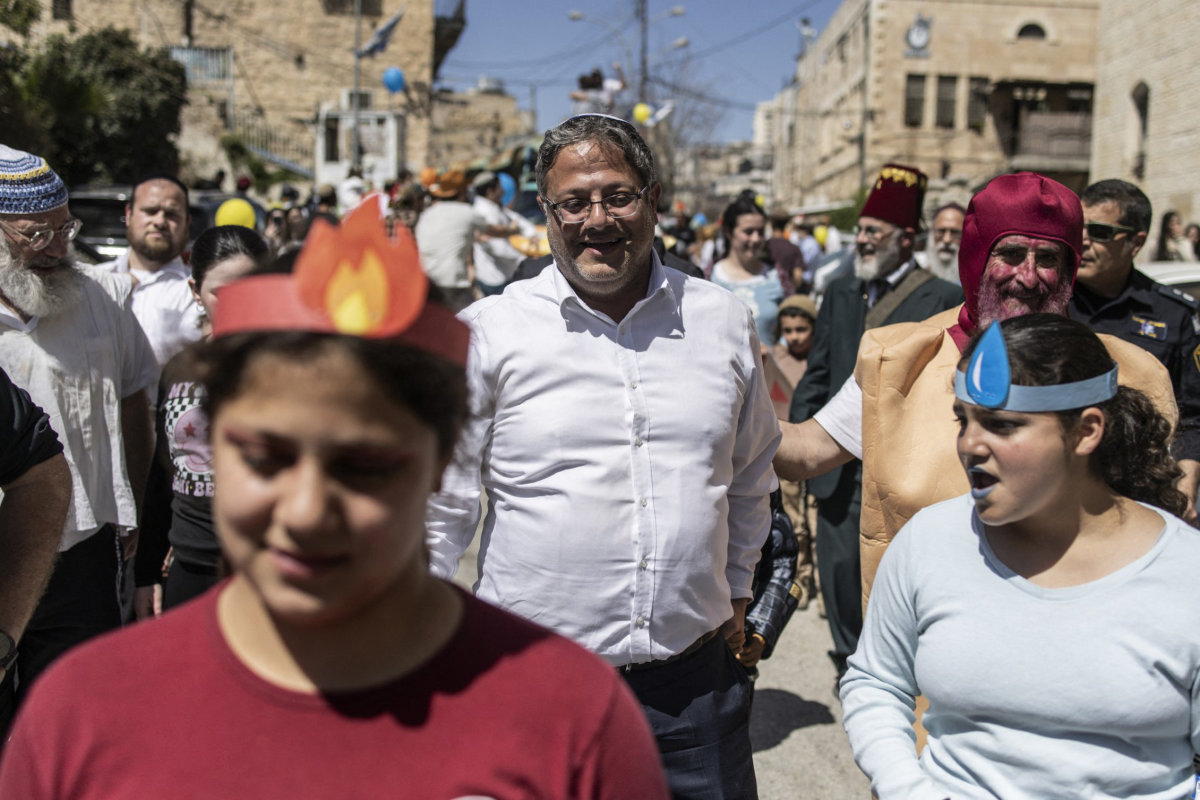
In June last year countries including the UK, Canada, Australia and New Zealand sanctioned both Ben-Gvir and Finance Minister Bezalel Smotrich for repeatedly “inciting violence against Palestinians.”
Smotrich has made no secret of his plans to “bury the idea of a Palestinian state,” as he put it in August last year, as he announced controversial plans to build 3,000 illegal homes for settlers in the occupied West Bank.
The project was, he added, “Zionism at its best — building, settling and strengthening our sovereignty in the Land of Israel.”
Earlier this week, shortly after unconfirmed claims emerged that the International Criminal Court was seeking a warrant for his arrest, Smotrich signed an order authorizing the destruction of the Bedouin village of Khan Al-Ahmar.
It was, he made plain, in direct response to the supposed threat from the ICC, which he said he regarded as “a declaration of war.”
“From today,” he added, “any economic or other target that I have the power to harm within the framework of my powers as Minister of Finance and as a minister in the Ministry Defense will be attacked.”
It is on the direct orders of such officials that the extremist settlers of the West Bank are now running amok, says B’Tselem.
“There is coordination many times between the farms and the army, which sees the settlers as another security mechanism. Israel has given many of these outposts all-terrain vehicles and guns, and they use these in their attacks,” Dvir said.
“Ministers like Smotrich, and many other people in the government, have said openly many times that they want to cancel the Oslo Accords, to delete the whole idea of areas A, B, and C and annex the West Bank.
“This is the goal of this government, and why they dehumanize and treat the whole of Palestinian society as terrorists.”