
NEW YORK CITY: More than 170,000 people in northeastern Syria have been displaced this month as a result of clashes in several provinces, the UN said on Tuesday, and aid agencies are stepping up relief efforts amid a fragile security situation and the harsh winter conditions.
The areas affected by the displacements since Jan. 6 include parts of Aleppo, Hasakeh and Raqqa governorates, UN spokesman Stephane Dujarric told reporters in New York. Several sites for displaced people are now overcrowded and the situation in Hasakeh remains volatile, he said.
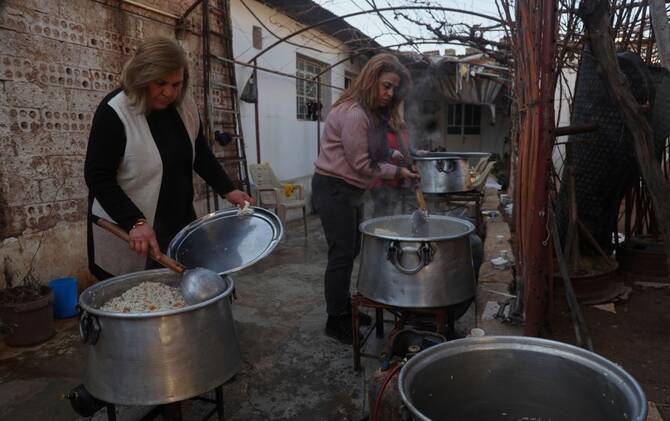
An interagency humanitarian convoy from Damascus reached the city of Qamishli in Hasakeh governorate on Tuesday to deliver food, warm clothing and blankets, Dujarric added, and more convoys are planned in the coming days. Aid agencies are also distributing bread and other food, and cash to buy supplies, at displacement sites and other collective facilities.
The latest wave of displacements followed weeks of violence in northern and northeastern Syria between the Kurdish-led Syrian Democratic Forces, government troops and allied armed groups, which flared in several areas late last year and has continued into the new year.
A truce between the SDF and Syrian government forces brokered this month has largely held, though tensions remain high and reports of sporadic incidents continue.
Health partners are providing mobile medical services for the displaced, including vaccinations and mental health care, Dujarric said. In addition, nutrition teams have screened more than 1,500 children and hundreds of pregnant and lactating women in Hasakeh for malnutrition and provided nutritional support.
Humanitarian operations are being strained by the severe winter weather, however. Another major storm hit several governorates last week, damaging more than 1,700 tents in displacement camps across Aleppo and Idlib, the UN’s Office for the Coordination of Humanitarian Affairs said.
Mountain routes along the Syrian coast remain closed, cutting off communities in Latakia and Tartous, Dujarric said, while flooding and road closures in Hama and Homs also continue to restrict access to affected areas.
He added that a partner nongovernmental organization had reported disrupted power supplies and internet services in the northern town of Kobani that have yet to be restored.