JERUSALEM: Since the US-brokered ceasefire in Gaza began Oct. 10, Palestinian militants have released the remains of 26 hostages. But the return of the last two hostages under the agreement’s terms is progressing slowly.
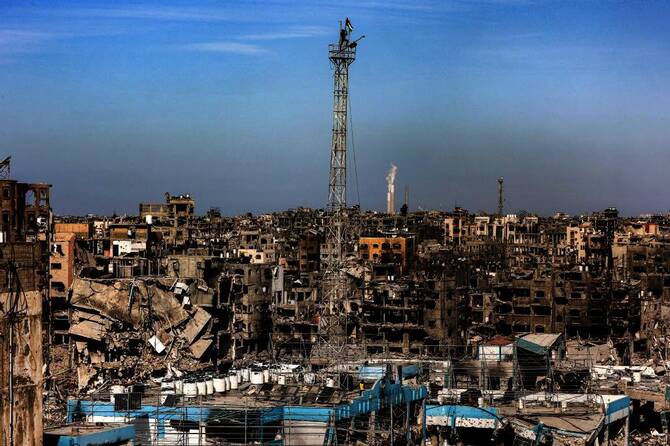
Hamas says it has not been able to reach all of the remains because they are buried under rubble left by Israel’s two-year offensive in Gaza. Israel has accused the militants of stalling and threatened to resume military operations or withhold humanitarian aid if all remains are not returned.
In the most recent release, Palestinian militants returned the remains of Dror Or, who was killed by the militants in Kibbutz Be’eri in southern Israel and abducted to Gaza. His wife, Yonat, was killed during the attack and his two children, Noam and Alma, were abducted and returned to Israel in a November 2023 hostage deal.
In return, Israel has released the bodies of 330 Palestinians back to Gaza. Health officials in Gaza have struggled to identify the bodies without access to DNA kits.
Only 97 have been identified, according to the Gaza Health Ministry, The ministry, which is part of the Hamas-run government and is staffed by medical professionals, maintains detailed records viewed as generally reliable by independent experts.
Israel has not provided details on their identities, and it is unclear if they were people killed in Israel during the Oct. 7 attack, Palestinian detainees who died in Israeli custody or bodies taken from Gaza by Israeli troops during the war.
Here’s a look at the hostages whose remains have not been returned.
Ran Gvili, 24
Ran Gvili, who served in an elite police unit, was recovering from a broken shoulder he sustained in a motorcycle accident but rushed to assist fellow officers on Oct. 7. After helping people escape from the Nova music festival, he was killed fighting at another location and his body was taken to Gaza. The military confirmed his death four months later. He is survived by his parents and a sister.
Sudthisak Rinthalak
Sudthisak Rinthalak was an agricultural worker from Thailand who had been employed at Kibbutz Be’eri. According to media reports, Sudthisak was divorced and had been working in Israel since 2017. A total of 31 workers from Thailand were abducted on Oct. 7, the largest group of foreigners to be held in captivity. Most of them were released in the first and second ceasefires. The Thai Foreign Ministry has said in addition to the hostages, 46 Thais have been killed during the war.


![]()

What to know about the 2 hostages whose remains are still in Gaza
Short Url
https://arab.news/c363n
What to know about the 2 hostages whose remains are still in Gaza
- Hamas says it has not been able to reach all of the remains because they are buried under rubble


Latest updates




Recommended


© 2026 SAUDI RESEARCH & PUBLISHING COMPANY, All Rights Reserved And subject to Terms of Use Agreement.