


PARIS: Climate change is ravaging the health of people around the world and policy failures are leading to “millions” of avoidable deaths each year, an international team of experts said Wednesday.
Opportunities for a “just” climate transition were still on the table but remained “largely untapped,” according to the Lancet’s Countdown, a major annual study tracking the health impacts of climate change.
The report put figures on some of the most deadly consequences: 546,000 people died each year between 2012 and 2021 because of exposure to heat, a massive increase on figures from the 1990s; and toxic fumes from wildfires killed a record 154,000 last year.
The health journal’s report, released shortly before the UN COP30 climate talks in Brazil, called for increased investment in zero-carbon energy and climate-resilient infrastructure, and better planning for health challenges.
The authors were fiercely critical of US President Donald Trump’s decision to pull his country away from international aid programs and climate initiatives — with his policies then parroted by some other countries.
“Reversing these harmful policies and progressing meaningful climate change action is now crucial to protect people’s health and survival,” the report said.
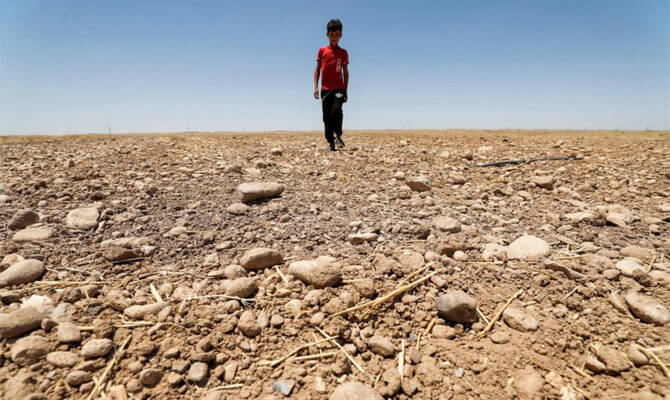
With global temperatures in 2024 the hottest on record, going above 1.5C relative to the pre-industrial period for the first time, the experts listed the many health threats coming from heatwaves, droughts, heavy rain and other climate-related phenomena.
“Climate change is increasingly destabilising the planetary systems and environmental conditions on which human life depends,” the study said.
Fossil fuel-related air pollution caused more than 2.5 million deaths in 2022 alone, the authors said, slamming the practice of subsidising fossil fuels.
Governments lavished more than $950 billion on fossil fuel subsidies in 2023, the report said, highlighting six countries as the worst offenders: Russia, Iran, Japan, Germany, Saudi Arabia and China.
The figure was down on the 2022 record of $1.4 trillion, when European governments in particular scrambled to control energy costs after Russia’s 2022 invasion of Ukraine helped cause a price spike.
More generally the authors accused corporations, “key decision-makers” and world leaders of “backsliding” on their climate commitments, hailing local actors and community groups for filling the leadership vacuum.


