ISLAMABAD: Pakistan and Bangladesh started their first Foreign Office Consultations (FOC) in 15 years on Thursday, according to a media report from a Dhaka-based newspaper, signaling a thaw in relations long strained by historical grievances and regional alignments.
The meeting in Dhaka comes amid significant political shifts in Bangladesh following the ouster of its pro-India Prime Minister Sheikh Hasina Wajid in the wake of a popular student uprising in August last year. Her departure opened avenues for Islamabad to reengage with Dhaka.
The two nations have shared a tumultuous history, as Bangladesh gained independence from Pakistan in 1971.
The complicated past between the two countries has often hampered their diplomatic relations, though recent developments, including Bangladesh’s interim government’s outreach to Pakistan and cooling ties with India, suggest a recalibration of regional partnerships.
“The Foreign Office Consultations (FOC) between Bangladesh and Pakistan started in Dhaka this morning (17 April), marking the first such meeting since 2010,” the Business Standard, a prominent English-language daily published from Dhaka, reported.
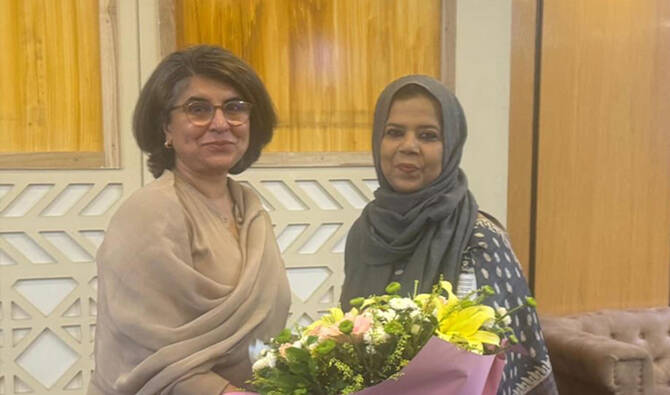
“Foreign Secretary [Muhammad] Jashim Uddin and Pakistan’s Foreign Secretary Amna Baloch are leading their respective sides at the FOC being held at the foreign ministry,” it continued.
The consultations are expected to pave the way for a visit by Pakistan’s Deputy Prime Minister and Foreign Minister Ishaq Dar to Bangladesh later this month, which would mark the first such visit by a Pakistani foreign minister since 2012.
While Pakistani authorities have not yet issued a statement regarding Baloch’s visit, the renewed diplomatic engagement highlights a mutual interest in strengthening bilateral ties.
In recent months, Pakistan’s Prime Minister Shehbaz Sharif and Bangladesh’s Chief Adviser Muhammad Yunus have met on the sidelines of international forums, including the United Nations General Assembly in New York and the D-8 Summit in Cairo.
These interactions have been described as cordial, with both leaders expressing a desire to deepen bilateral cooperation.
Yunus has also met with Indian Prime Minister Narendra Modi in Bangkok, where discussions included Bangladesh’s request for the extradition of ex-premier Wajid, who has gone into exile in India and issued multiple anti-government statements against Yunus’s interim administration.


![]()

Pakistan and Bangladesh hold first Foreign Office Consultations in 15 years — media
Short Url
https://arab.news/yy5vv
Pakistan and Bangladesh hold first Foreign Office Consultations in 15 years — media
- Media reports from Bangladesh say Pakistan’s Foreign Secretary Amna Baloch is in Dhaka for talks
- The consultations are expected to pave the way for Pakistan’s deputy PM’s Dhaka visit later this month


Latest updates


Recommended


© 2026 SAUDI RESEARCH & PUBLISHING COMPANY, All Rights Reserved And subject to Terms of Use Agreement.