Saudi Arabia’s weekly POS transactions climb 4% to $3.6bn 

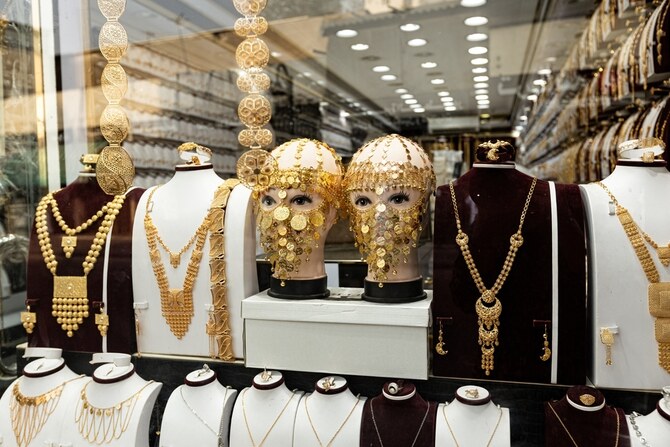
Jewelry led the growth in transaction value, according to the latest figures. Shutterstock
Short Url
Updated 19 March 2025
Follow

Saudi Arabia’s weekly POS transactions climb 4% to $3.6bn 

  • Clothing and footwear sector recorded a 22.8% increase in transaction value to SR1.5 billion
  • Smallest spending gains were in gas stations, rising by 3% to SR865.8 million

RIYADH: Saudi Arabia’s point-of-sale transactions climbed 4 percent to SR13.6 billion ($3.6 billion) in the week ending March 15, driven by increased spending across multiple sectors. 

The latest data from the Kingdom’s central bank, also known as SAMA, showed jewelry led the growth, registering the largest jump in transaction value — up 31.1 percent to SR419.2 million. The sector also saw a 29.5 percent rise in the number of transactions, reaching 300,000. 

The clothing and footwear sector followed, recording a 22.8 percent increase in transaction value to SR1.5 billion, securing the third-largest POS share. Hotel spending ranked next, rising 19.1 percent to SR352.6 million, with transactions up 20.1 percent to 649,000. 

Transportation spending edged up 12.4 percent to SR889.2 million, while restaurants and cafes saw an 11.5 percent increase, totaling SR1.4 billion. 

The smallest spending gains were in gas stations, rising by 3 percent to SR865.8 million, and health services, which increased by 3.1 percent to SR837.2 million. 

Education saw the steepest decline, dropping 29.9 percent to SR140.6 million, following a 144.6 percent surge the previous week as students returned from winter break. 

Spending on electronics dipped 5.4 percent to SR150.5 million, while recreation and culture dropped 1.7 percent to SR261.9 million. 

Food and beverages — the sector with the biggest share of total POS value — recorded a 6.5 percent decline to SR1.9 billion. Miscellaneous goods and services claimed the second-largest share, with a slight 0.05 percent dip to SR1.66 billion. 

The top three categories — food and beverages, miscellaneous goods and services, and clothing and footwear — accounted for 37.4 percent of the week’s total spending, amounting to SR5.1 billion. 

Geographically, Riyadh dominated POS transactions, representing around 34.7 percent of the total, with expenses in the capital reaching SR4.7 billion — a 3.2 percent increase from the previous week. 

Jeddah followed with a 7 percent rise to SR1.9 billion, while Makkah ranked third, up 8.2 percent to SR818.4 million. Abha saw the smallest increase, inching up 2.2 percent to SR142.8 million. 

In transaction volume, Makkah recorded 9.6 million deals, up 6.5 percent, while Buraidah reached 4.2 million transactions, rising 5.2 percent.


Manufacturing and trade drive 5% rise in Saudi operating revenue 

Updated 20 January 2026
Follow

Manufacturing and trade drive 5% rise in Saudi operating revenue 

RIYADH: Saudi Arabia’s Operating Revenue Index rose 5 percent year on year in November, supported by growth in manufacturing, trade and construction, official data showed. 

In its latest report, the General Authority for Statistics noted that the rise was “supported by an increase in manufacturing activities by 6.5 percent,” while wholesale and retail trade, including the repair of motor vehicles, increased by 9.5 percent. 

Construction activity expanded 7.4 percent, while financial activities grew 14.4 percent and insurance activities rose 8.6 percent. 

The data underline the Kingdom’s broader economic diversification drive under Vision 2030, with non-oil activities such as manufacturing, construction, finance and trade continuing to expand and contribute a larger share to overall economic activity.

On a monthly basis, the index fell 1.2 percent from October, according to the preliminary figures released by GASTAT, pointing to uneven momentum across sectors at the end of the year. 

The fall was attributed to weaker performance in some sectors, including a 3.8 percent decrease in mining and quarrying activities and a 25.8 percent drop in electricity, gas, steam and air conditioning supply activities. 

In the labor market, the Employees Compensation Index recorded strong annual growth, rising 13.6 percent compared to November 2024. The increase was supported by an 18.8 percent rise in manufacturing activities and a 10.5 percent increase in wholesale and retail trade activities. 

On a monthly basis, employee compensation edged up 0.1 percent, reflecting modest gains across several sectors. 

Indicators linked to construction activity also strengthened. The number of issued building permits increased 28.4 percent year on year in November 2025, reaching 8,034, compared to 6,258 in the same month a year earlier. 

The surge in building permits indicates robust investment in physical infrastructure, a key pillar of Saudi Vision 2030, while rising wages support its aim of improving citizen prosperity. 

The report stated this was “a result of the increase in the number of issued building permits during November.” Furthermore, permits showed strong momentum from the previous month, increasing by 7.7 percent compared to October 2025.