Saudi Arabia starts process on 4,500 MW-renewable energy projects

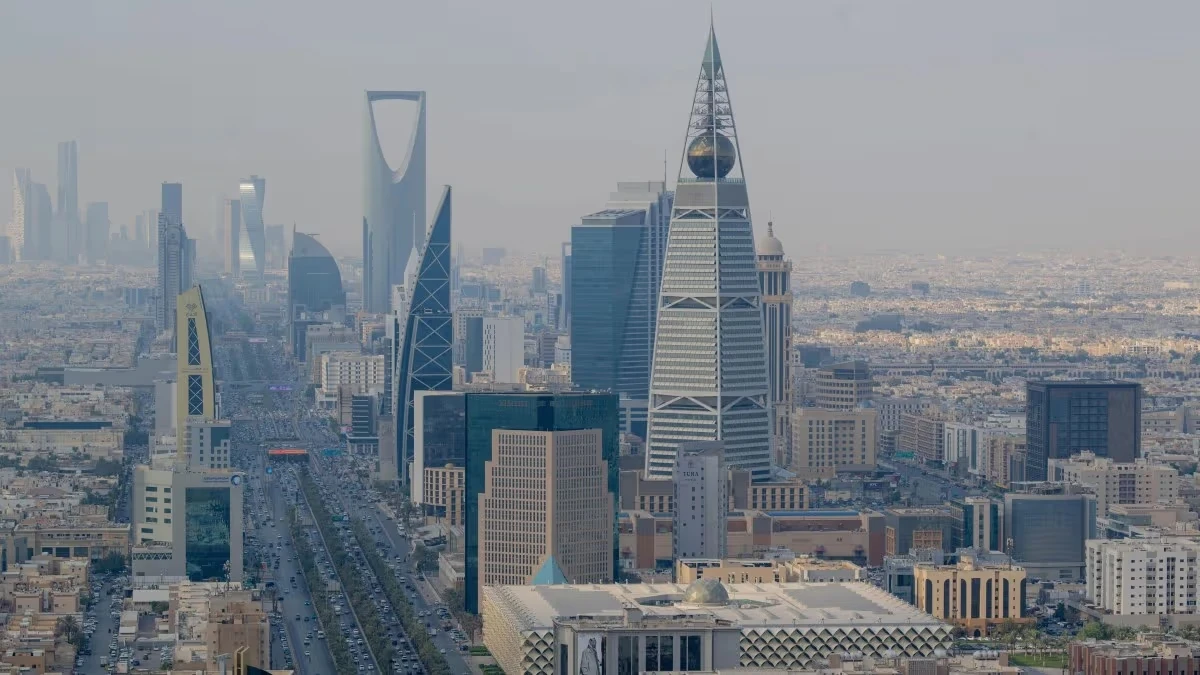
This initiative is part of the National Renewable Energy Program. Shutterstock
Short Url
Updated 26 September 2024
Follow

Saudi Arabia starts process on 4,500 MW-renewable energy projects

JEDDAH: Saudi Arabia will add 4,500 megawatts of renewable energy to its grid after its procurement agency issued a request for qualifications for the sixth round of solar and wind projects. 

The Saudi Power Procurement Co. outlined the key projects, including the 1,500-MW Dawadmi wind project in the Riyadh region, the 1,400-MW Najran solar project, and two solar initiatives in Jazan — Samtah and Al-Darb — each boasting a capacity of 600 MW. Additionally, the Sufun solar project in Hail will contribute 400 MW to the grid. 

This initiative is part of the National Renewable Energy Program, which is overseen by the Ministry of Energy and aligns with Saudi Arabia’s Vision 2030 and the King Salman Renewable Energy Initiative.  

The NREP serves as a strategic framework to diversify the Kingdom’s energy sources, stimulate economic development, and promote sustainable stability. By 2030, the program aims for renewable energy to account for nearly 50 percent of the energy mix used for electricity generation.   

It aims to establish a robust renewable energy industry and advance this vital sector while upholding the Kingdom’s commitment to reducing carbon dioxide emissions. 

The SPPC is tasked with conducting preliminary studies, tendering, and procuring electricity generated from energy projects within the Kingdom. So far, projects totaling over 19 gigawatts have been awarded under the NREP. 

In another move earlier this year, the SPPC finalized power purchase agreements valued at SR12.3 billion ($3.3 billion) for three solar photovoltaic projects with ACWA Power Co., Water & Electricity Holding Co., known as Badeel, and Aramco Power.

These solar projects include the Haden Solar PV and Al-Muwaih Solar PV in the Makkah region, each with a capacity of 2,000 MW, alongside the Al-Khushaybi PV project in Qassim Province, which will add 1,500 MW to the grid. 

In February, the SPPC also announced qualified bidders for its fifth round of renewable energy projects, set to add 3,700 MW to the grid. 

A total of 23 companies, including Abu Dhabi Future Energy Co. or Masdar, GEK Terna, and EDF Renewables, were selected for key roles in these initiatives, which further underline the Kingdom’s commitment to expanding its renewable energy landscape. 


Oman money supply rises 6.4% to $68.6bn in November 

Updated 4 sec ago
Follow

Oman money supply rises 6.4% to $68.6bn in November 

JEDDAH: Oman’s money supply climbed 6.4 percent to 26.4 billion Omani rials ($68.6 billion) in November, signaling solid liquidity conditions and continued growth in bank deposits, official data showed.  

The increase in broad money — a measure that includes cash in circulation and bank deposits — was driven by a 12.2 percent rise in cash and demand deposits, alongside a 4.1 percent increase in savings and time deposits, the Oman News Agency reported. 

The latest reading follows steady gains earlier in 2025, with money supply up 6.1 percent in the three months through August. This was supported by a 6.9 percent rise in narrow money and a 5.8 percent increase in quasi-money. The trend reflects sustained liquidity conditions and stronger deposit growth across the banking system. 

The expansion in monetary aggregates points to continued liquidity and policy support for private-sector lending, as Oman advances fiscal and economic reforms under its Vision 2040 strategy. 

“During the same period, currency in circulation increased 1.9  percent, while demand deposits rose 14.1 percent,” the ONA report stated. 

At conventional commercial banks, the weighted average deposit rate in Omani rials declined to 2.50 percent in November from 2.73 percent a year earlier, while the weighted average lending rate eased to 5.45 percent from 5.67 percent over the same period. 

The overnight interbank lending rate averaged 3.92 percent in November, down from 4.56 percent a year earlier, reflecting a decline in the weighted average repo rate to 4.5 percent from 5.30 percent, influenced by US Federal Reserve policy shifts. 

Meanwhile, total assets of Islamic banks and windows reached about 9.3 billion Omani rials by the end of November, accounting for 19.4 percent of the Gulf state’s total banking sector assets.  

“This marks a 12.3 percent increase compared with the same period in 2024,” ONA reported, citing data from the Central Bank of Oman. 

Total financing by Islamic banking units rose 10.3 percent to around 7.5 billion rials, while deposits increased 10.9 percent to approximately 7.3 billion rials by the end of November. 

The November data follows the International Monetary Fund’s 2025 Article IV consultation report, released earlier this month, which highlighted the continued resilience of Oman’s economy amid global uncertainty. 

The IMF cited steady growth in non-hydrocarbon sectors, low inflation, and broadly sound fiscal and external positions, underscoring the effectiveness of Oman’s coordinated economic and financial policies.