

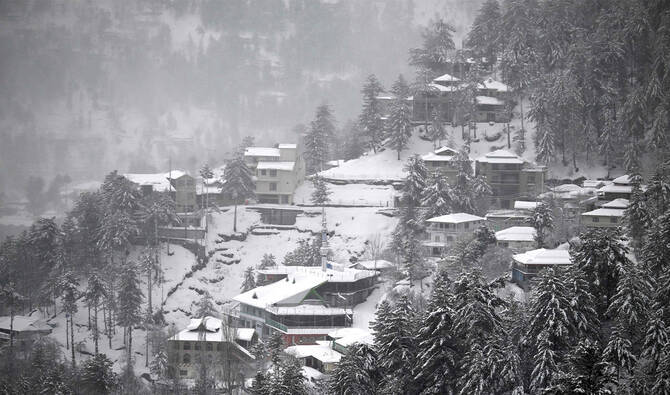

PESHAWAR: The Provincial Disaster Management Authority (PDMA) in Pakistan’s northwestern Khyber Pakhtunkhwa (KP) province issued a public advisory on Sunday, calling on district administrations and the tourism department to ensure precautionary arrangements are being undertaken as the province braces for heavy rains and snowfall this week.
Pakistan’s Meteorological Department this week warned that a westerly wave is likely to approach the country’s western parts from Jan. 25 and likely to grip Pakistan’s northern areas on Jan. 26. It warned that this system would trigger heavy rain and snowfall in these parts till Tuesday.
Administrations in Pakistan’s northwestern districts of Khyber and Swat carried out rescue operations on Thursday night after several vehicles were stranded in various parts of these areas. Footage on social media showed officials helping people as heavy snow blanketed vehicles on Tirah Road, Malam Jabba Road and in Nathia Gali.
“The advisory directs district administrations to ensure continuous monitoring of roads, highways, and tourist destinations, keep emergency response teams on alert, and maintain coordination between control rooms and the Provincial Emergency Operations Center (PEOC),” the PDMA said in a press release.
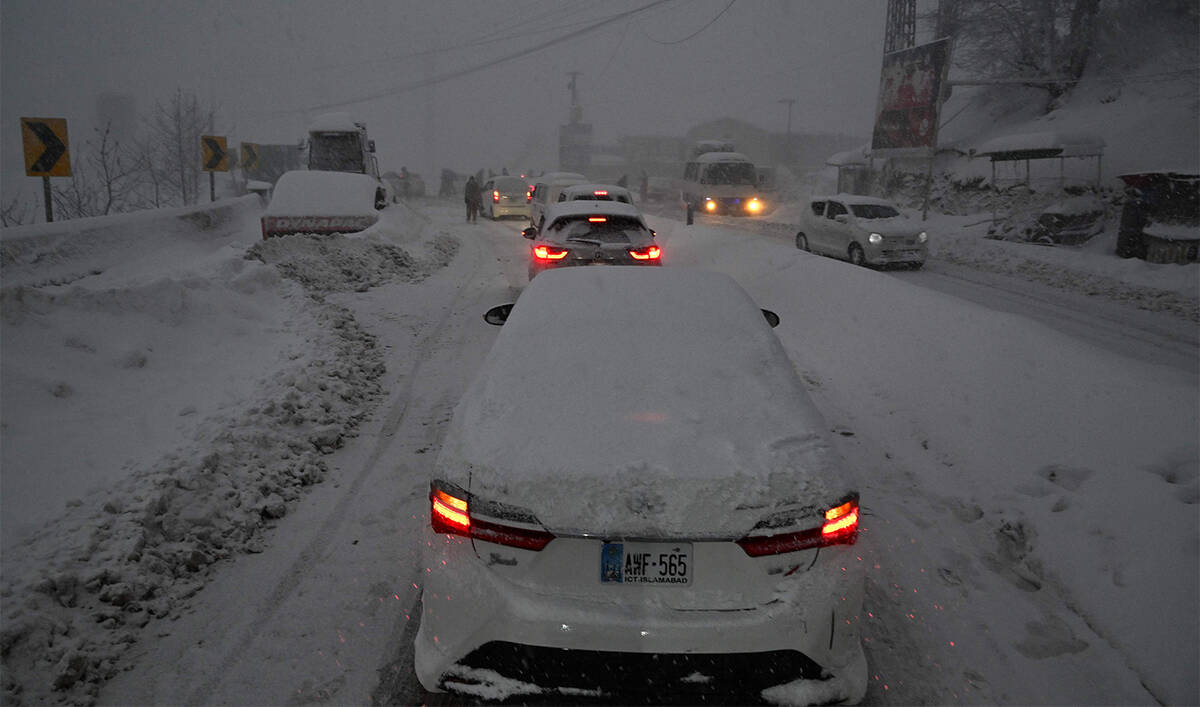
Commuters drive through a snow-covered street in Murree on January 23, 2026. (AFP)
“In addition, hotels and guest houses have been instructed to inform tourists about potential risks and to issue timely alerts related to snowfall and landslides.”
It warned that rain and snowfall may lead to road blockages, slippery conditions, landslides, avalanches, and flash floods in various areas from Jan. 25-27, affecting the general public and tourists.
The PDMA advised people to avoid unnecessary travel, urging tourists not to visit upper and remote areas during the current period of snowfall and heavy rain.
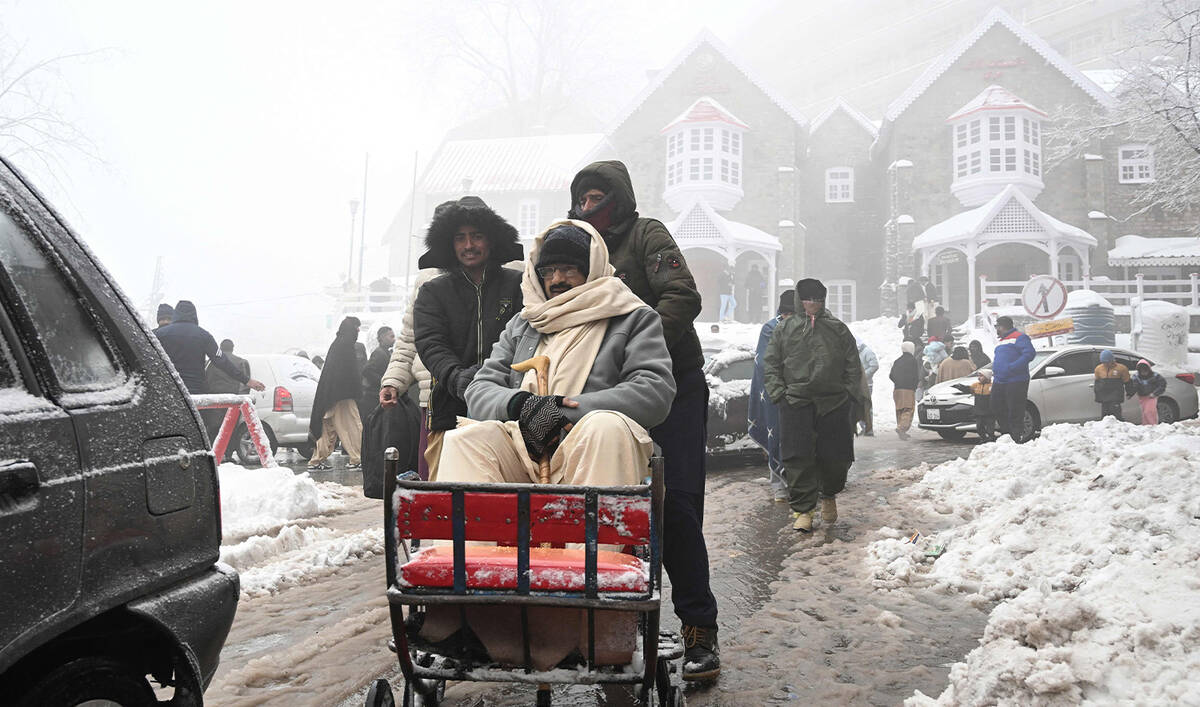
A tourist rides a cart through a snow-covered street in Murree on January 23, 2026. (AFP)
The disaster management authority reassured citizens that it was monitoring the situation closely, urging them to contact the PDMA on its helpline at 1700 in case of any emergency.
Thousands of tourists from all over Pakistan flock to scenic spots in Azad Kashmir, Gilgit-Baltistan, KP and Punjab during snowfall
Citizens often disregard warnings by disaster management authorities of deteriorating weather conditions and roadblocks, leading to emergency situations.
In January 2022, at least 21 people were killed when they were left trapped in their cars during a snowstorm in the Pakistani hill station of Murree.


