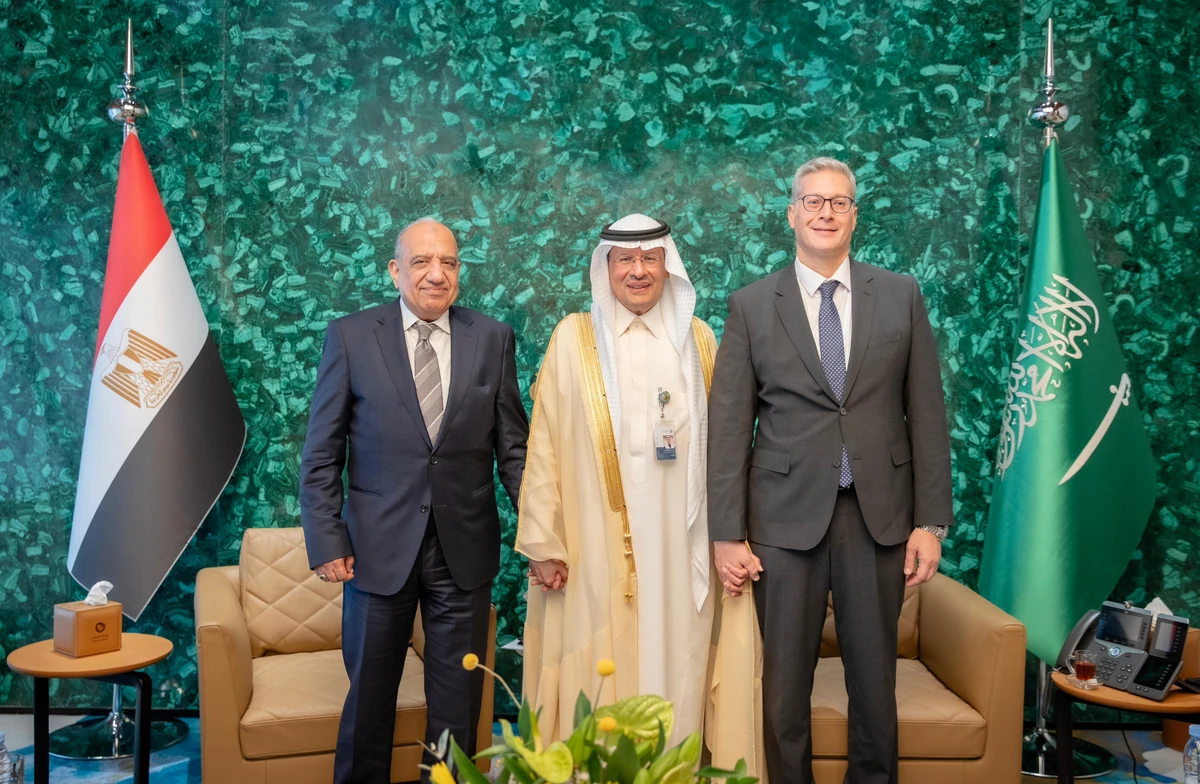
- Ministers discussed various aspects of cooperation between the two countries
RIYADH: Saudi Arabia and Egypt are set to boost energy cooperation following a meeting between top officials to expand ties in petroleum, gas, electricity, renewable energy, and hydrogen.
On July 21, Saudi Minister of Energy Prince Abdulaziz bin Salman met with Egypt’s Minister of Petroleum and Mineral Resources Karim Badawi and Minister of Electricity and Renewable Energy Mahmoud Esmat at his ministry’s headquarters in Riyadh.
This comes as Saudi Arabia and Egypt deepen their energy cooperation, with Egypt signing a $4 billion deal with Saudi Arabia’s ACWA Power in December 2023 to develop a green hydrogen project. The agreement includes a work plan for the first phase, targeting a production capacity of up to 600,000 tons annually of green ammonia.
During the meeting, the ministers discussed various aspects of cooperation between the two countries, aiming to align their efforts with the shared visions of their leadership and the ambitions of their peoples, according to a statement from the Saudi Energy Ministry.
“The energy strategies of both countries were reviewed, and key work areas and measures to diversify the energy mix and address challenges in the energy sector were discussed, all within the framework of ensuring sustainable and affordable energy sources,” said the statement.
The recent Riyadh meeting also reviewed the progress of joint projects, including the electrical interconnection between the Saudi and Egyptian grids — the largest in the region.
This initiative aims to enhance the stability and reliability of the electrical supply between the two countries and maximize the economic and developmental benefits of their collaborative electrical undertakings, the statement added.
In a similar statement issued by the Egyptian Ministry of Petroleum and Mineral Resources, Badawi emphasized the depth of the partnership and the distinguished relations between Egypt and Saudi Arabia, which have spanned decades across various fields, particularly in energy.
He said that the strategies of both countries were reviewed, including key work areas and measures to diversify the energy mix and address challenges in the sector to ensure sustainable and affordable energy sources.
The minister said that his ministry’s priorities include increasing production, accelerating exploration activities, and utilizing available capacities in refineries and petrochemical plants.
Badawi also stressed the importance of enhancing cooperation with the Kingdom and other allied countries, as well as exchanging expertise and sharing success stories to maximize integration between the two nations and increase the added value of natural resources.
The Egyptian statement also underlined the importance of developing action plans with realistic and fundamental solutions grounded in economic principles to ensure sustainability, and the need for continued investment in human resources, the development of young talent, and women’s empowerment.
The meeting agreed on the need to optimize the use of petroleum resources while considering environmental considerations. It discussed expanding programs and initiatives to reduce carbon emissions, including improving energy efficiency and enhancing the value of carbon through modern technologies and innovative methods such as enhanced oil recovery, the Egyptian ministry added in its statement.
The meeting concluded with the formation of joint working groups to focus on priority areas of cooperation that will develop implementation mechanisms to ensure actionable outcomes are achieved.