Saudi Tourism Authority holds largest international promotional campaign in China

1 / 3
The Saudi Tourism Authority recently held its first international promotional campaign in China. (SPA)
2 / 3
The Saudi Tourism Authority recently held its first international promotional campaign in China. (SPA)
3 / 3
The Saudi Tourism Authority recently held its first international promotional campaign in China. (SPA)
Short Url
Updated 27 November 2023
Follow

Saudi Tourism Authority holds largest international promotional campaign in China

  • Campaign took place between Nov. 17 and 23, and included the Saudi Market Festival which celebrated the heritage, culture, and nature of the Kingdom

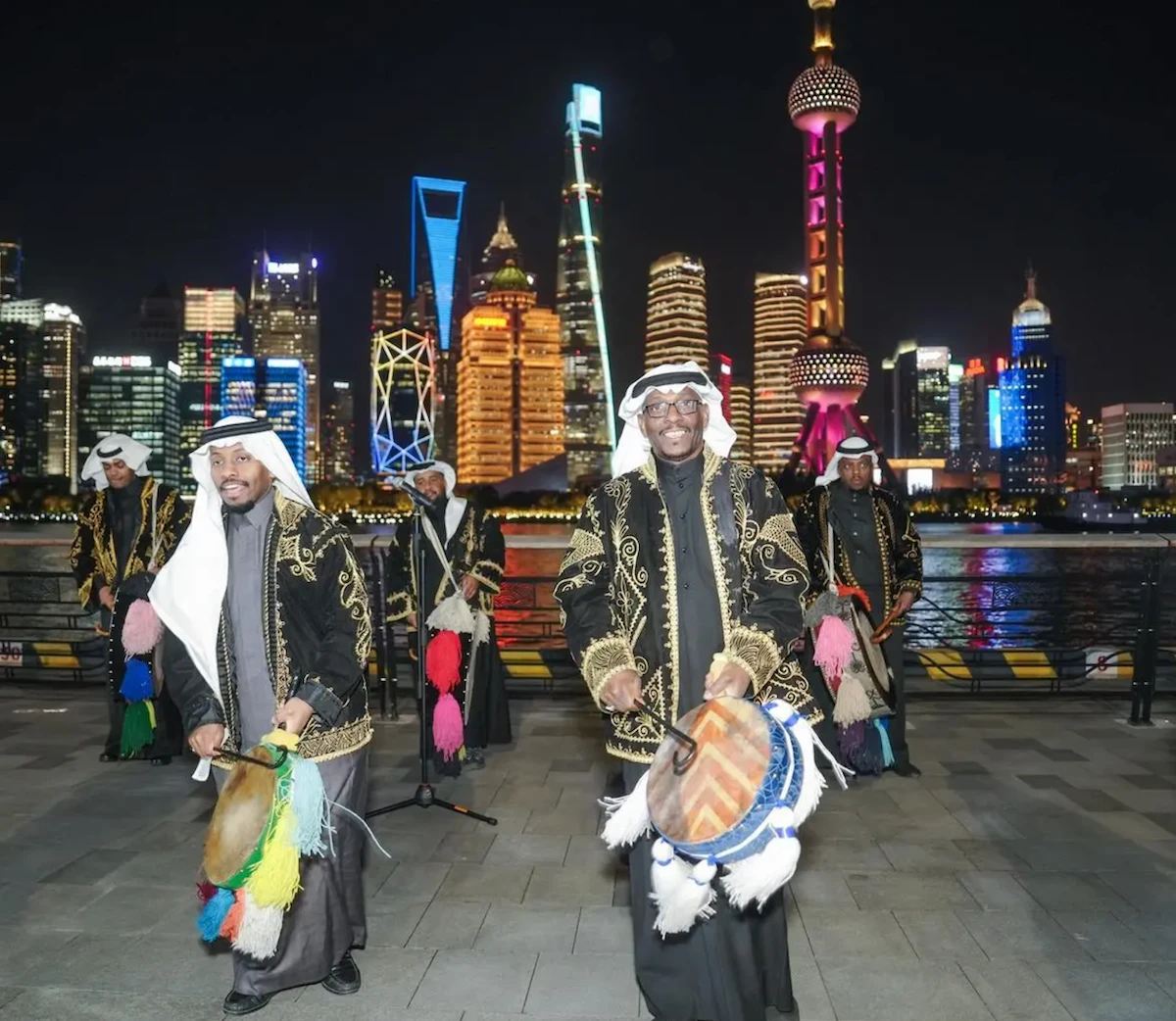
RIYADH: The Saudi Tourism Authority recently held its first international promotional campaign in China to invite Chinese tourists to explore the Kingdom and the experiences it has to offer.

The campaign took place between Nov. 17 and 23, and included the Saudi Market Festival which celebrated the heritage, culture, and nature of the Kingdom.

The campaign was launched at the Bund in Shanghai - a waterfront area and a protected historical district in the center of the city.

The festival was attended by 80,000 people, the campaign reached out to 500 million Chinese people, and bookings to the Kingdom increased by 277 percent, Saudi Press Agency reported.

The campaign included a series of visual and audio presentations highlighting natural and historical sites and cultural and recreational events and activities in the Kingdom.Saudi Tourism Authority CEO Fahd Hamidaddin said: “China is one of the most important strategic target markets, as it is one of the largest sources of tourists. The Kingdom aims to attract five million Chinese tourists by 2030.
“This year, the Kingdom received more than 100,000 visitors from China, and we are pleased to launch the largest promotional campaign ever to welcome tourists from China and invite them to enjoy unique destinations, inspiring tourist experiences, Saudi hospitality, and rich and authentic culture.”

Alhasan Aldabbagh, president of Asia Pacific Markets at Saudi Tourism Authority, said: “We hope… to inspire more Chinese tourists to visit Saudi Arabia, especially after the facilities provided for issuing the new electronic tourist visa and visa on arrival, and China’s adoption of Saudi Arabia as a major destination.”

“We are also working with our partners from the private sector to increase the number of products offered to tourists from China, which so far reached 160, in addition to providing payment solutions specifically for tourists from China, such as Union Pay and AliPay+,” Aldabbagh added.

MoU advances climate studies for heritage sites

Updated 4 sec ago
Follow

MoU advances climate studies for heritage sites

RIYADH: The Heritage Commission has signed a memorandum of understanding with the National Center for Meteorology to enhance integration in climate and environmental studies related to heritage sites, the Saudi Press Agency reported on Sunday.

The MoU establishes a framework for cooperation in exchanging climate-related knowledge and studies, supporting risk assessment standards, and advancing joint workshops and research programs to improve heritage site management.

The collaboration aligns with the commission’s approach to adopting research and technological tools to better understand environmental dynamics around heritage sites and deliver sustainable solutions that support documentation, restoration, and preservation efforts.

Recently, the commission also signed an MoU with the Saudi Data and AI Authority to advance data- and AI-driven solutions in the cultural heritage sector.

The agreement enables technologies that showcase, document, and strengthen the digital presence of national heritage, the SPA reported.

It reflects both sides’ keenness to employ data and analytical technologies in the inventory, documentation, and relational analysis of cultural heritage.

The MoU aims to support decision-making and build a knowledge ecosystem grounded in accurate, measurable data. It also paves the way for joint projects to enhance digital heritage content and apply AI-based tools to interpret heritage and make it more accessible to the public.