



DUBAI: Aiming to step up energy security and usher in a new era in regional cooperation, Prince Saud bin Nayef bin Abdulaziz, the governor of the Eastern Province, inaugurated an electrical interconnection project between the Gulf Cooperation Council Interconnection Authority and Iraq.
Saudi Arabia’s Energy Minister Prince Abdulaziz bin Salman said the connection was a dream turned reality, in an interview with Al-Arabiya. He said this landmark deal could achieve tangible economic benefits and enhance energy security.
The announcement was made during a ceremony in Dammam that was witnessed by Prince Abdulaziz, Prince Saud and Eng. Ziyad Ali Fadel, the Iraqi minister of electricity, as well as a number of Gulf Arab ministers of electricity, Gulf ambassadors to the Kingdom and several officials from both the Gulf and Iraq.
The power grid interconnection project with Iraq entails the implementation of a dual-circuit transmission line connecting the northern city of Afar in Saudi Arabia to Yusufiya in western Baghdad and will offer an initial capacity of 1,000 megawatts and augment its capability to respond to the growing electricity demands of the Iraqi population in future years.
“The launch of the Iraq electrical interconnection project has thrown open abundant prosperity as well as extensive advantages to the entire region,” said Prince Saud during the launch of the historical project. “Additionally, this project serves as a catalyst for a new era, ushering in broader horizons and expanding market opportunities.”
The GCCIA aims to begin exporting electricity to southern Iraq by end of 2024. The project intends to support the Iraqi electrical grid and enhance energy security.
“This agreement holds great significance for Iraq as it marks a major turning point,” Ali Jasim Mohammed Al-Mitiwiti, Iraqi politician and a former parliament member, told Arab News.
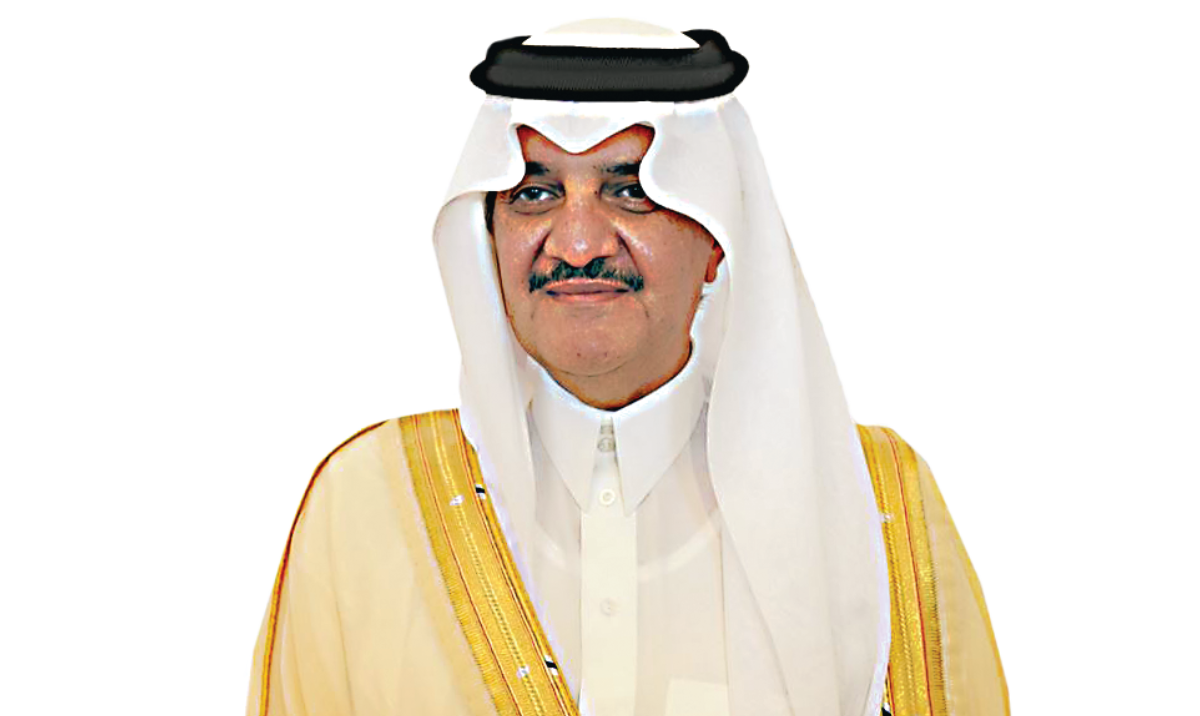
The launch of the Iraq electrical interconnection project has thrown open abundant prosperity as well as extensive advantages to the entire region.
Prince Saud bin Nayef bin Abdulaziz, governor of the Eastern Province
He added: “Instead of a country monopolizing Iraq, including the electricity sector, which has caused significant hardship for Iraqi citizens, this agreement will contribute to the long-term improvement of the electricity network in southern Iraq.”
“This project,” continued Al-Mitiwiti, “aims to support the increasing demand for electricity in Basra Governorate through cooperation with the Cooperation Council for the Arab States of the Gulf. Furthermore, it lays the foundation for future exchange and trade of electrical energy between the countries of the Cooperation Council and Iraq within a regional and Arab market for electricity.”
The agreement for the project was signed by the GCCIA and Iraq on the sidelines of the Jeddah Summit for Security and Development in July 2022, while the framework agreement was sealed between the Iraqi Ministry of Electricity and GCCIA in 2019 for the establishment of the project.
The interconnection project marks the first to be implemented outside the electrical grid system of the GCC countries. It intends to meet some of the demand for electric power in southern Iraq.
The project necessitates the implementation of a 400 Kilovolt dual-circuit transmission line connecting the Al-Zour Substation, passing through the 400 kV Al-Wafrah unit and reaching the Al-Faw Substation, running 322 km long.
The anticipated capacity to be imported through this initiative is estimated at approximately 500 megawatts, which will cater to the electricity requirements of the Basra governorate, according to the statement from GCCIA.
Al-Mitiwiti underlined that the agreement “will ensure the sustainable supply of electrical energy at all times and contribute to achieving one of the sustainable development goals in Iraq and the region in the long term.”
“Since its establishment in 2009, when the Kingdom embraced it, the project has consistently demonstrated its impact year after year, generating numerous economic advantages for the GCC countries,” added Prince Saud. “Notably, it has substantially reduced both the capital and operational expenses associated with the Gulf electricity network.”
Prince Saud underlined that the project had furnished around one half of the overall required energy reserves in the countries prior to the finalization of the electrical interconnection.
“Furthermore, it has established dependable, sustainable, and competitive electricity transmission services, yielding a positive influence in supporting and streamlining all developmental endeavors in the region,” he added.
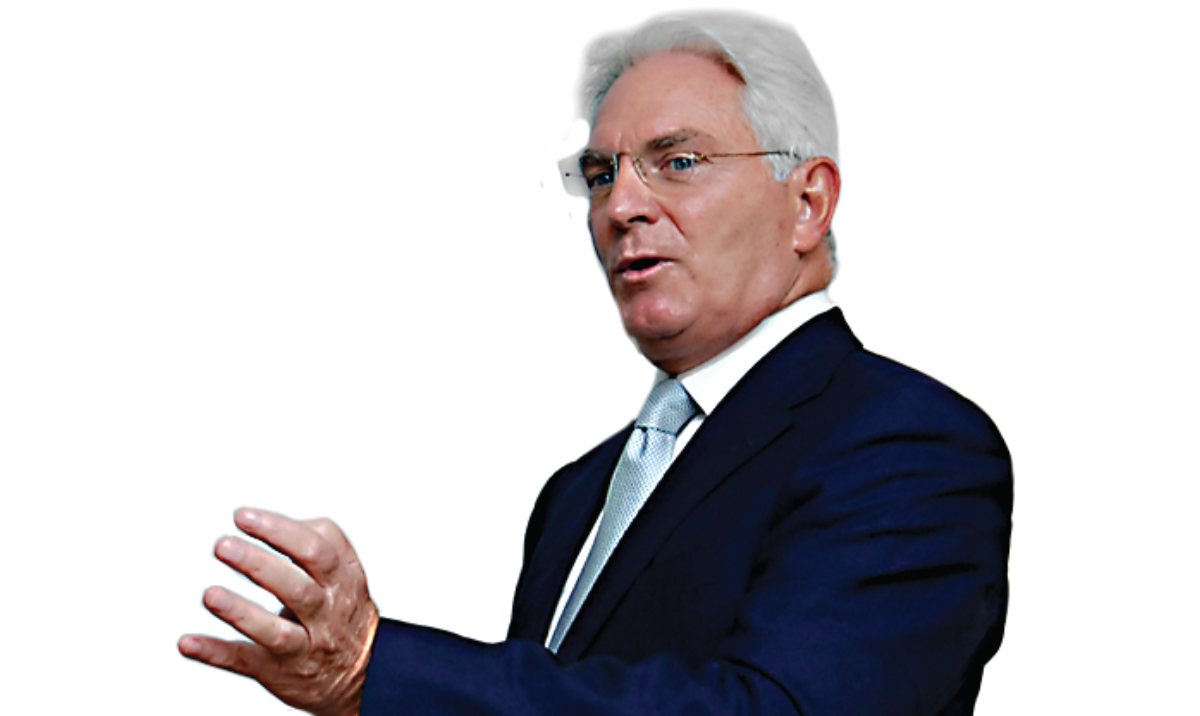
The project allows the creation of a GCC-augmented electricity market and electricity trading across borders. KSA, the UAE and other GCC countries are heavily investing in renewable energy.
Nasser Saidi, Lebanon’s former economy and trade minister
Crucially, the agreement underscores part of what Nasser Saidi, Lebanon’s former economy and trade minister and founder of Nasser Saidi & Associates, calls “the regionalized globalization by the GCC.
“Integrated electricity grids, such as between Saudi and Iraq, result in greater power efficiency, improved management of electricity grids and network economies, lowering costs for all the countries involved,” he told Arab News.
“It allows the creation of a GCC-augmented electricity market and electricity trading across borders. In parallel, Saudi, the UAE and other GCC countries are heavily investing in renewable energy (mainly solar) for their power generation,” he said.
“Eventually, the GCC can export solar-based electricity green energy to not only neighboring countries (Iraq, Jordan, Egypt and Yemen) but also to India and across North Africa into Europe. Already, a GCC-India undersea electricity connector is planned. A new energy infrastructure map is emerging.”
There also, said Saidi, wider possibilities and vision for the agreement that have the potential as stated by Prince Saud and Al-Mitiwiti to garner greater energy security and economic benefits for the region.
“The integration of basic infrastructure — water, electricity, transport and logistics (ports and airports) — is a major building block of greater economic integration between the GCC and its regional partners, enabling the deepening of regional trade and investment links,” Saidi explained.
He added: “Infrastructure integration fosters economic development. It creates jobs in countries such as Iraq, Jordan, Egypt, Lebanon and Syria that have traditionally been reliant on exporting labor, helping them combat the present brain drain.”
Moreover, as Saidi stressed, the greater integration of these countries with the GCC enables partners to participate in global value chains through the region, generating higher value exports (rather than low-value commodity exports such as phosphates) and diversify their economies.
All of this is taking place during a time of great change for world energy markets.
“The GCC countries are now pursuing an active international trade and investment strategy leading to ‘regionalized globalization’, at a time when the rest of the global economy is fragmenting and there is attempted US, EU and allies decoupling from China,” he added. “Strategically, regionalized globalization can lead to greater geopolitical stability.”


