


JEDDAH: For decades, the Greek isles, the Florida Keys, the Caribbean Sea and the Mediterranean coastline have been some of the most popular destinations in the world for yacht and boat owners. With Sindalah island set to open next year, however, the Red Sea location will be catching the eye of luxury travelers and yachters.
The island, designed by world-class architects at Luca Dini Design and Architecture, is set to be the first physical showcase of the planned Saudi smart city giga-project NEOM. Since Crown Prince Mohammad bin Salman announced the construction of the project in December 2022, aerial images and videos have shown some of the island’s features and structures.
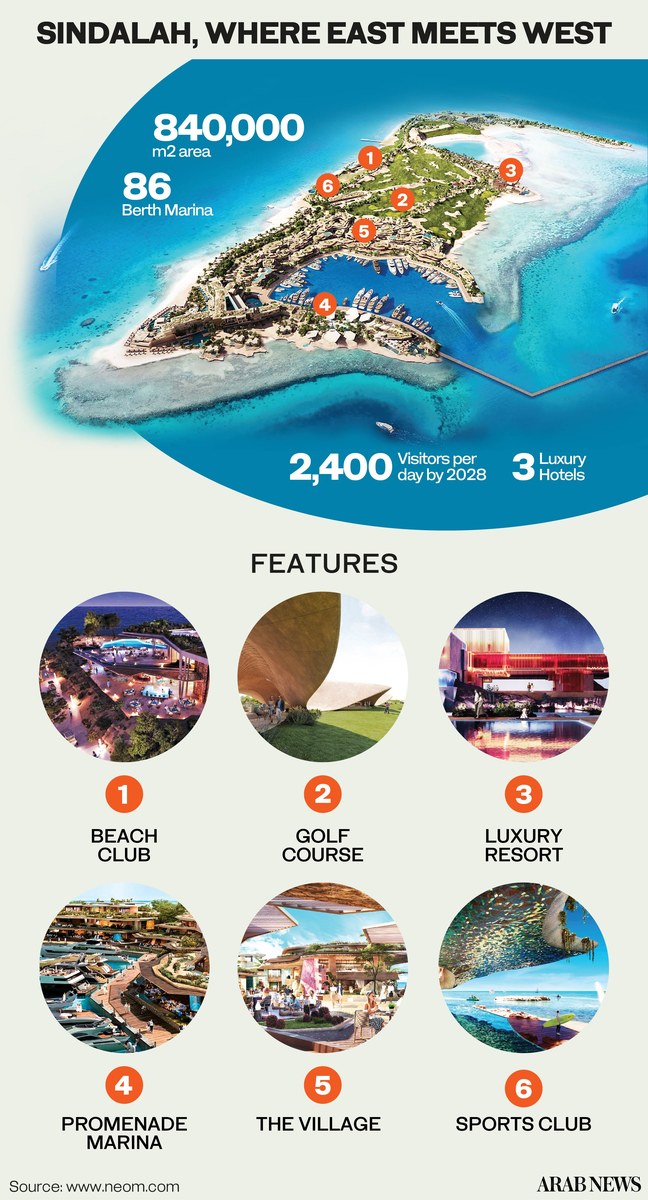
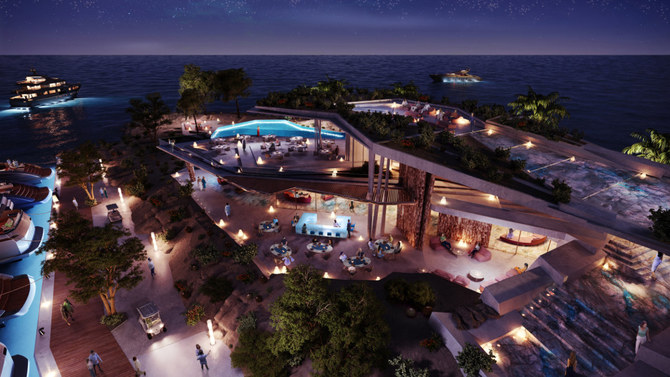
The island resort will feature several tourist attractions, including a beach club, a yacht club, a holistic spa and several hotels, including the first Marriott Autograph Collection Hotels property in Saudi Arabia and two of the hotel chain’s Luxury Collection properties set to open in 2024.
Sindalah’s location and natural characteristics make it a distinctive destination. Each structure is designed to blend with its environment to achieve harmony between nature and the urban development around it while ensuring that its habitat remains untouched and preserved, an ethos of NEOM.
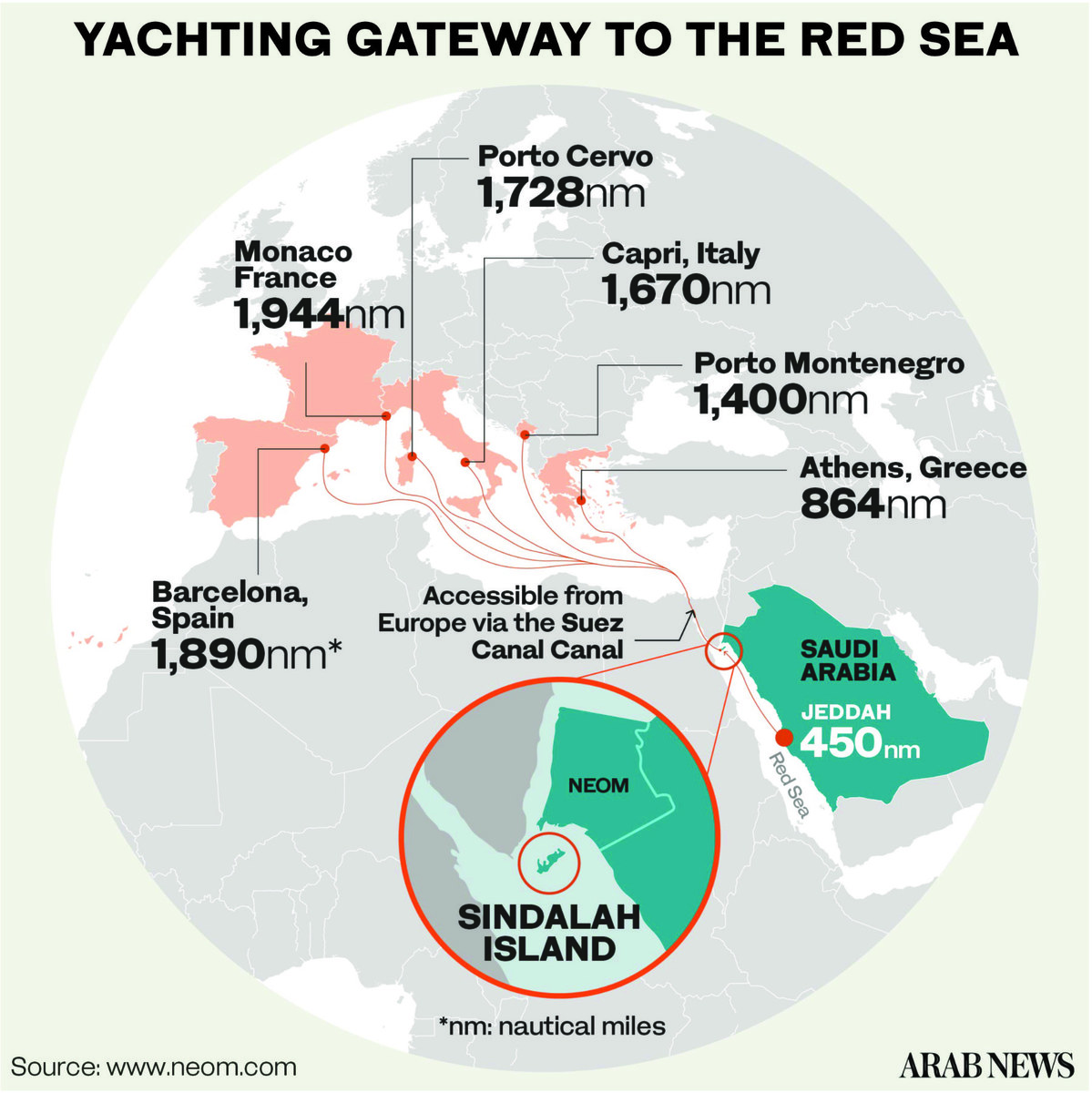
The island’s location has made it a prime stopping point for many regional and European boat and yacht ownerss. Sindalah is a stone’s throw from the Mediterranean Sea, giving easy access to many yachting destinations in under a day through the Suez Canal.
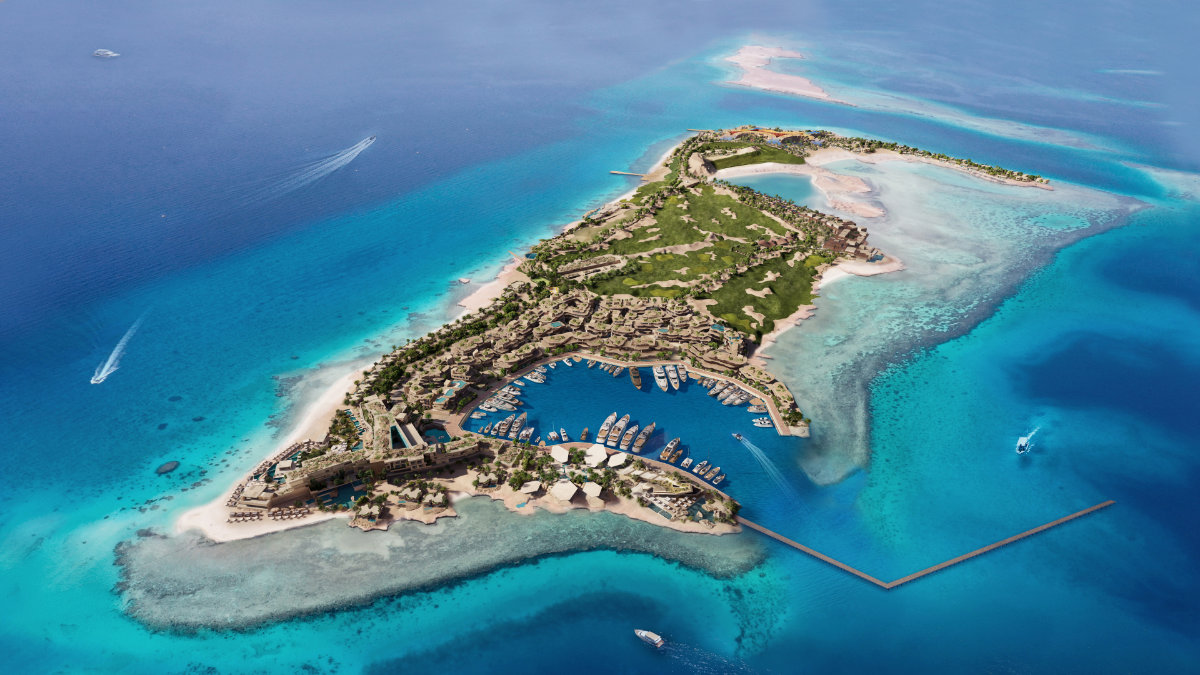
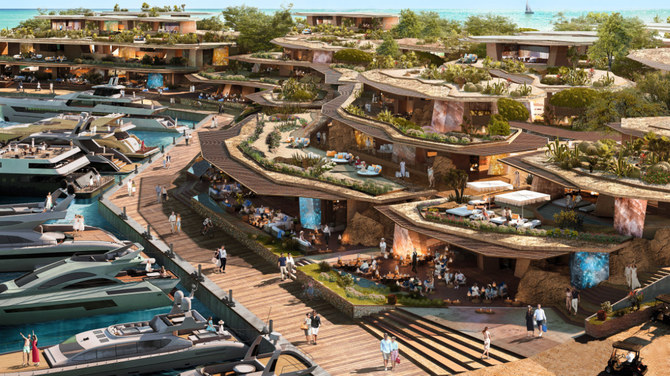
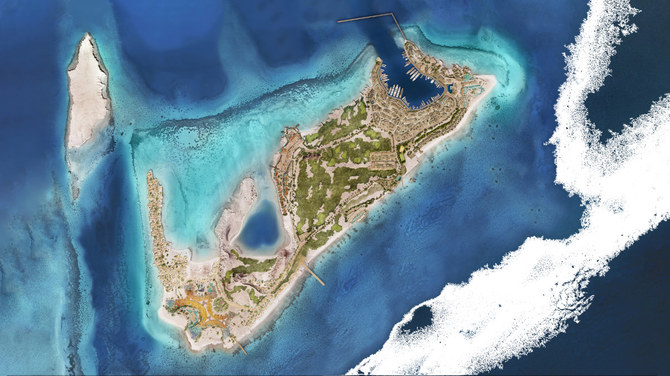
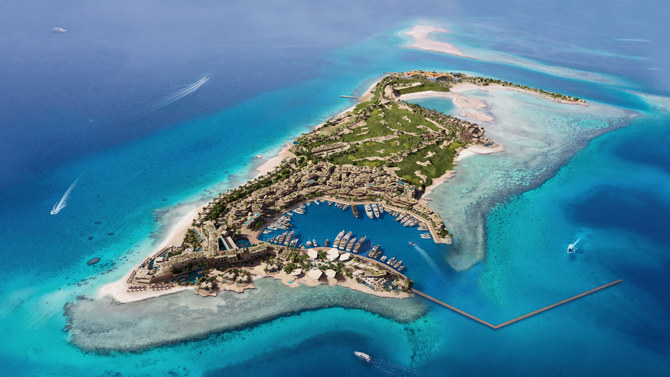
Sindalah island is set to be the first physical showcase of the planned Saudi smart city giga-project NEOM. (Supplied)
With the Mediterranean Sea filled with superyachts throughout the summer, the Red Sea has long been a destination for divers and those looking for exotic cruising areas away from the bustle. The Red Sea is just a right turn away, with the climate of the region also a massive draw for anyone wanting to extend their yachting season.
“The destination will create a new season for superyachts, a dream alternative for yacht owners who want to spend the winter in an easily accessible location. With a prestigious 86-berth marina for yachts up to 75 meters and serviced buoys for superyachts up to 180 meters, a glamorous yacht club, luxury hotels, a golf club, an extensive retail precinct and exceptional food and beverage offerings, everything proposed in Sindalah is unique and cannot be found anywhere else in the world,” Luca Dini, CEO of Luca Dini studio, told Arab News.
“From our vast experience in the nautical sector, we bring the same knowledge of the needs of the most exclusive customers in the world, the attention-to-detail, and the ability to amaze owners who have already ‘seen it all’,” said Dini.
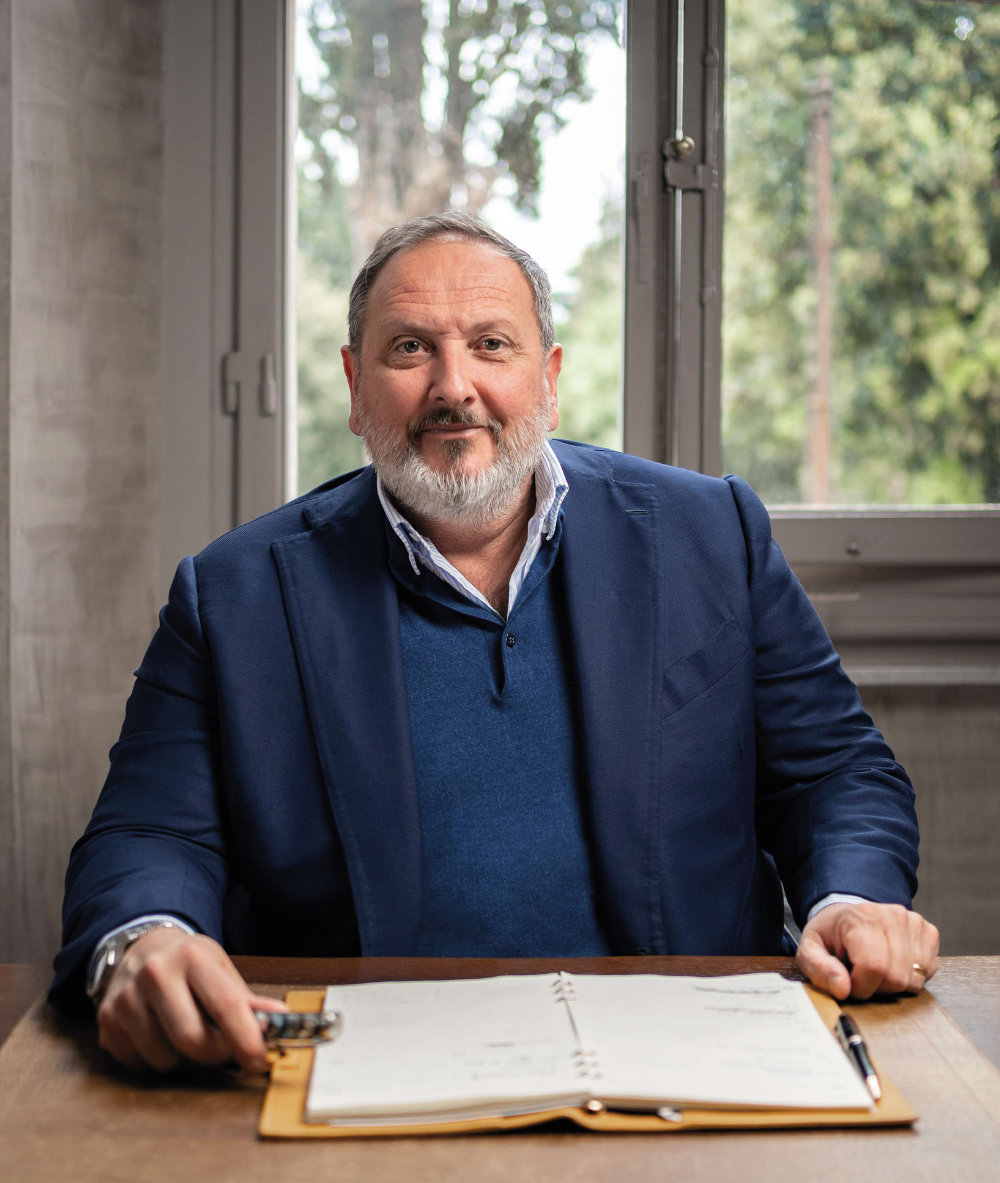
Luca Dini, CEO of Luca Dini studio. (Supplied)
“Sindalah, through design, is an expression of a spirit that we have noticed is strongly felt in Saudi (Arabia), which belongs to people closely linked to their traditions who look to the future with enthusiasm and dynamism. This deeply fascinates us. Every asset on Sindalah is designed to bring people together and allow them to experience the outdoors, in close connection with the beautiful environment,” he said.
Concerns over the disturbance and destruction of natural habitats are constantly examined by experts working at and with the giga-project engineers. Understanding the island’s natural undisturbed features, the coast, and existing rocks is, in Dini’s words, a “source of inspiration,” with each asset designed to enhance the forces of nature — the sun, wind and sea.
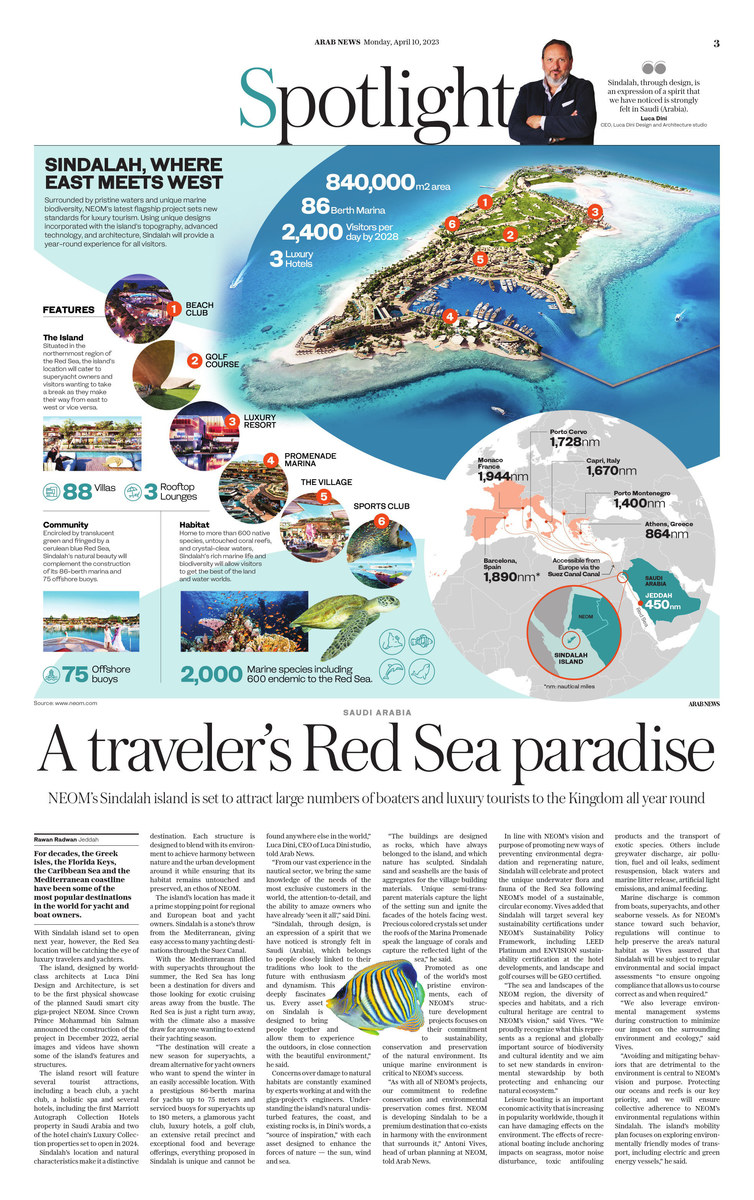
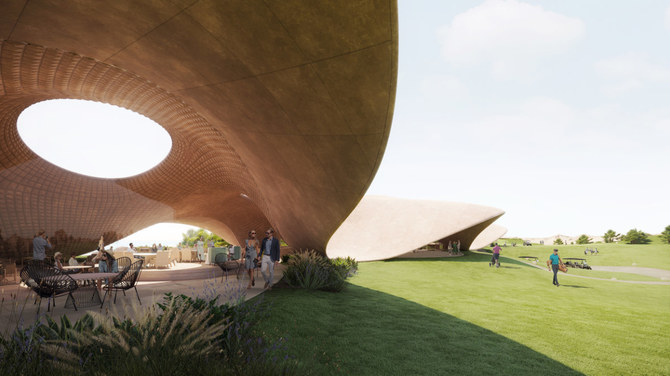
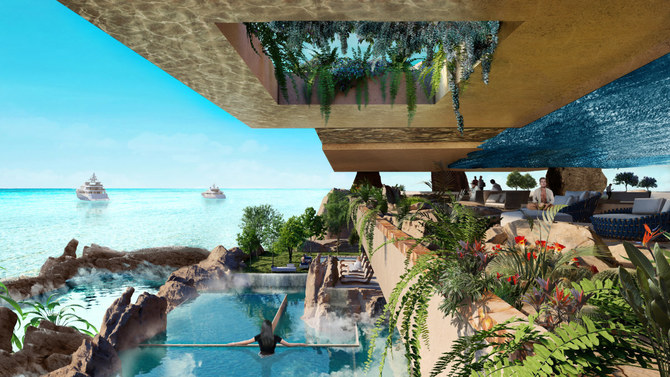
“The buildings are designed as rocks, which have always belonged to the island, and which nature has sculpted. Sindalah sand and seashells are the basis of aggregates for the village building materials. Unique semi-transparent materials capture the light of the setting sun and ignite the facades of the hotels facing west. Precious colored crystals set under the roofs of the Marina Promenade speak the language of corals and capture the reflected light of the sea,” he said.
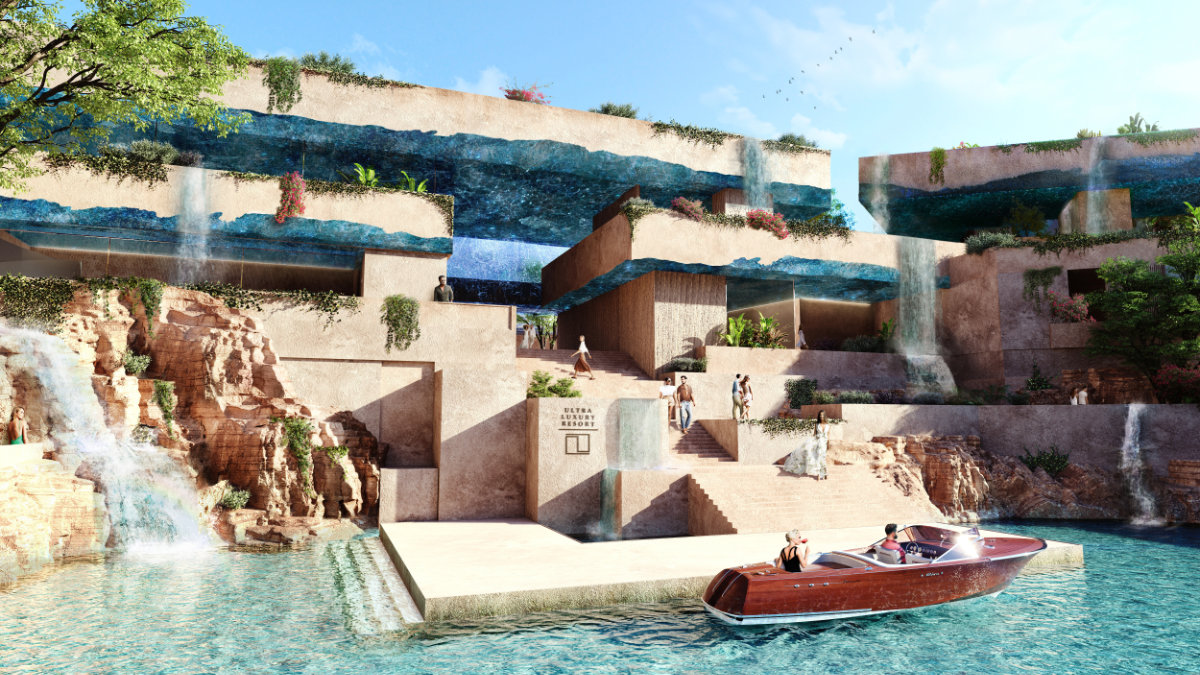
A view of the entrance to the Sindalah hyper-luxury resort. Supplied)
Promoted as one of the world’s most pristine environments, each of NEOM’s structure development projects focuses on their commitment to sustainability, conservation and preservation of the natural environment. The pristine and unique marine environment is critical to NEOM’s success.
“As with all of NEOM’s projects, our commitment to redefine conservation and environmental preservation comes first. NEOM is developing Sindalah to be a premium destination that co-exists in harmony with the environment that surrounds it,” Antoni Vives, head of urban planning at NEOM, told Arab News.
Antoni Vives
In line with NEOM’s vision and purpose of promoting new ways of preventing environmental degradation and regenerating nature, Sindalah will celebrate and protect the unique underwater flora and fauna of the Red Sea following NEOM’s model of a sustainable, circular economy. Gives added that Sindalah will target several key sustainability certifications under NEOM’s Sustainability Policy Framework, including LEED Platinum and ENVISION sustainability certification at the hotel developments, and landscape and golf courses will be GEO certified.
“The sea and landscapes of the NEOM region, the diversity of species and habitats, and a rich cultural heritage are central to NEOM’s vision,” said Vives. “We proudly recognize what this represents as a regional and globally important source of biodiversity and cultural identity and we aim to set new standards in environmental stewardship by both protecting and enhancing our natural ecosystem.”
Leisure boating is an important economic activity that is increasing in popularity worldwide, though it can have damaging effects on the environment. Environmental impacts of recreational boating include anchoring impacts on seagrass, motor noise disturbance, toxic antifouling products and the transport of exotic species. Other effects include the discharge of greywater, air pollution, fuel and oil leaks, sediment resuspension, the release of black waters and marine litter, artificial light emissions, and animal feeding.
Marine discharge is common from boats, superyachts, and other seaborne vessels. As for NEOM’s stance toward such behavior, regulations will continue to help preserve the area’s natural habitat as Vives assured that Sindalah will be subject to regular environmental and social impact assessments “to ensure ongoing compliance that allows us to course correct as and when required.”
“We also leverage environmental management systems during construction to minimize our impact on the surrounding environment and ecology,” said Vives.
“Avoiding and mitigating behaviors that are detrimental to the environment is central to NEOM’s vision and purpose. Protecting our oceans and reefs is our key priority, and we will ensure collective adherence to NEOM’s environmental regulations within Sindalah. The island’s mobility plan focuses on exploring environmentally friendly modes of transport, including electric and green energy vessels,” he said.