

Saudi authorities sign major marine protection pact

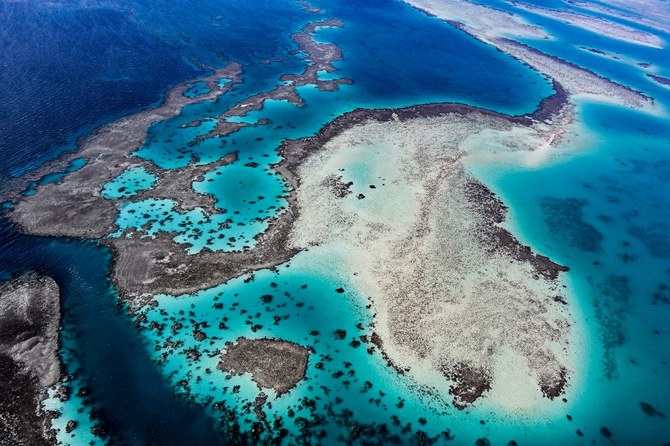
The Red Sea is situated on the west coast of Saudi Arabia.(AFP)
Short Url
Updated 15 February 2023
Follow

Saudi authorities sign major marine protection pact

  • Plan to combat poaching, regulate recreational diving
  • Agreement includes instructor training, site evaluations

Riyadh: The National Center for Wildlife and the Saudi Water Sports and Diving Federation have signed a memorandum of understanding to enhance bilateral collaboration and work to protect the marine environment.

The agreement was signed recently by Prince Sultan bin Fahd bin Salman, president of the federation, and Mohammed Ali Qurban, the CEO of the center.

The MoU includes activities and campaigns for the rehabilitation of the marine and coastal environment, as well as coordinating joint responses to emergencies and disasters.

The bodies have agreed to tackle poaching and illegal diving activities. They also plan to evaluate diving sites and provide training for instructors.

Specialists on the marine environment told Arab News that the agreement would have a positive impact on efforts to protect the nation’s land and sea resources.

Mohammed Alyahya, a professional diver who obtained an Advanced Open Water Diver license from the Professional Association of Diving Instructors, told Arab News he is involved in several awareness programs and is optimistic about the agreement.

“This understanding is certainly reflected in the organization of events and the promotion of marine sports hobbies such as swimming, fishing and recreational diving.”

Osama J. Qurban, chief executive of Environmental Balance Co., said the signing of the agreement would assist in creating awareness in the community and among sports practitioners of the importance of preserving marine habitats, especially coral reefs.


Klija Festival in Buraidah empowers small businesses

Updated 24 January 2026
Follow

Klija Festival in Buraidah empowers small businesses

  • Half a million attend 15-day celebration of heritage; event creates 1,500 seasonal jobs

RIYADH: The 17th Klija Festival in Buraidah drew more than half a million visitors during its 15-day run, celebrating the region’s heritage and entrepreneurial spirit.

Organized by the Qassim Chamber of Commerce, the event highlighted small businesses, providing a platform for entrepreneurs to showcase local products.

More than 340 sales outlets, marketing corners and points of sale welcomed attendees, while the festival provided 1,500 seasonal job opportunities, the Saudi Press Agency reported.

The small business pavilions featured families in the cottage industry, artisans and startups presenting traditional foods, and handicrafts and heritage items that reflect the region’s identity.

Participants said that the festival was a key marketing platform, boosting sales, increasing brand awareness, facilitating knowledge exchange and fostering connections with organizations supporting SMEs.

Mohammed Al-Hanaya, Qassim Chamber secretary-general and festival supervisor, said that the event brought together families, artisans, SMEs, companies and institutions, stimulating commercial activity, opening direct marketing channels and enhancing economic returns.

He added that the festival provided seasonal jobs for more than 1,500 young men and women across operations, marketing and services, supporting the labor market, empowering national talent, and connecting youth to the events and creative economy.

Klija, a traditional cookie made from wheat flour, dates or sugar, date syrup and natural ingredients such as cardamom and lemon, is a rich source of energy, carbohydrates, dietary fiber and natural proteins.

A cultural icon rooted in Qassim’s traditions, the cookie has gained international exposure through the festival, expanding the availability of packaged products.

Starting next year, the festival will be renamed the International Klija Festival, a rebranding approved by Qassim Gov. Prince Faisal bin Mishaal, who described it as a “successful model for turning local initiatives into global economic engines.”

This year’s festival, held at the King Khalid Cultural Center, included international participants from Egypt, Turkiye and Morocco, marking its evolution into a cross-cultural platform.