


RIYADH: As the Kingdom of Saudi Arabia celebrates its 92nd National Day, its creative scene is flourishing like never before.
A glimpse into the not-so-distant past would show film sets interrupted by police inquiries demanding that productions be shut down. Fast forward to today, and local filmmakers are backed by unstinting support from the General Entertainment Authority, Ithra, the Red Sea Film Festival, and countless other institutions, whether governmental or private.
The talent and passion has always been there. But now, artists are receiving the support and opportunities to raise the cultural scene in the Kingdom to a new level.
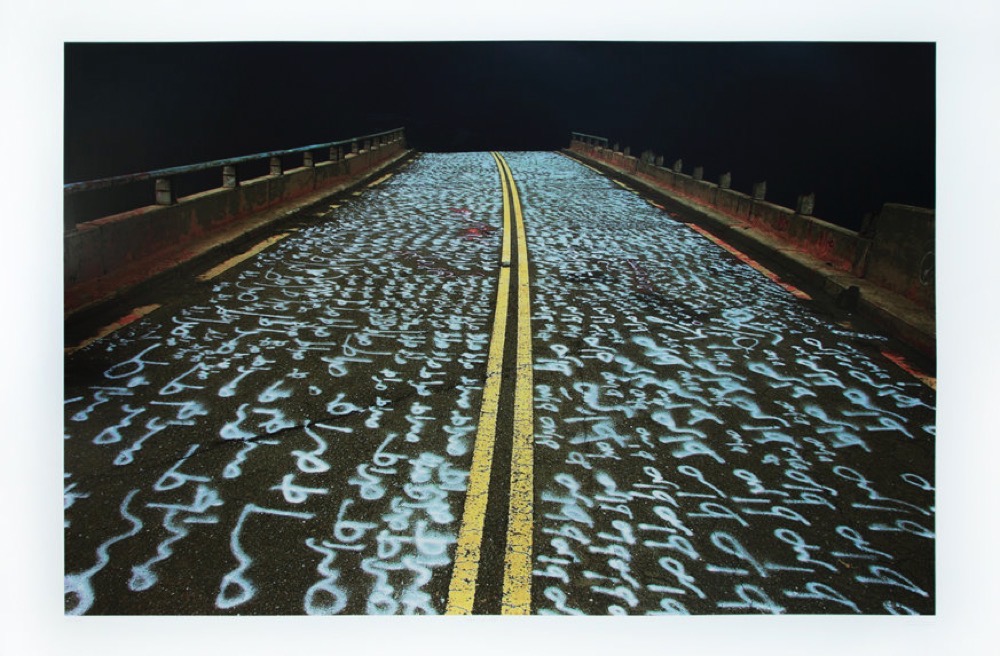
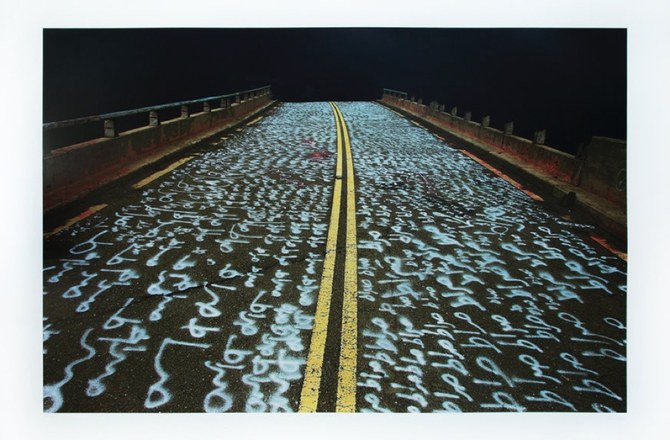
“The Path” — Abdulnasser Gharem
“Saudi Arabia is currently living a golden age in all cultural and social aspects under the leadership of Crown Prince Mohammed bin Salman. The openness we are witnessing has reflected positively on all arts, and this contributes to our development as visual artists and raises the ceiling of challenges and expectations,” contemporary artist Dr. Saad Howede told Arab News.
Howede is the co-founder of Wasm Studio, a creative art space, along with fellow artist Hmoud Al-Attawi.
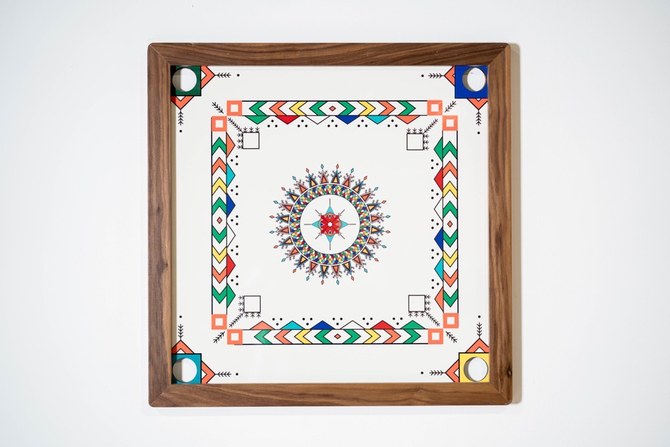
The rich history of Arabia greatly influences his work, as he draws inspiration from the people, their heritage, and how cultures intersect. The significance of cultural heritage in shaping a creative scene is stressed by many Saudi artists.
“Memory is the treasure of nations,” Howede said. “Any nation or culture that has no roots is a weak, dormant nation that has no future.”
Saudi artist Abdulnasser Gharem, founder of Gharem Studio and one of the founders of Edge of Arabia, told Arab News: “We have dreamed of what is happening now, but there was no infrastructure. Now, we have a lot of art events, art entities, like Diriyah Biennale, AlUla’s DesertX … the Islamic Biennale is going to be at the end of this year. What’s happening now is really a cultural boom and it’s become part of our daily life.”
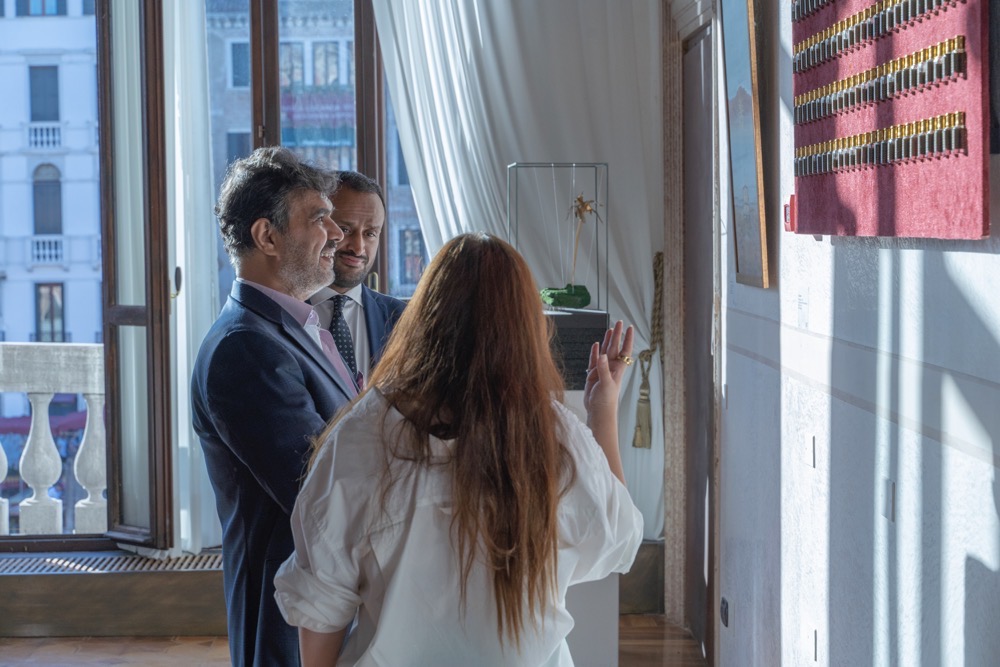
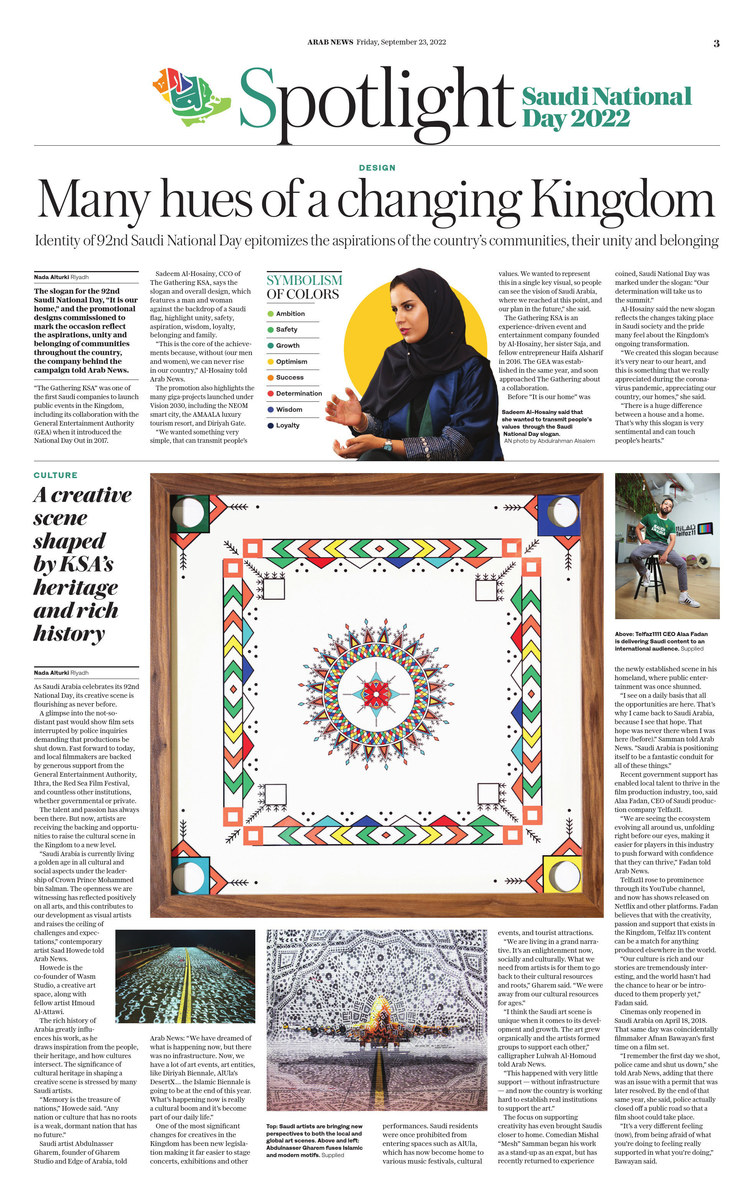
The significance of cultural heritage in shaping a creative scene is stressed by many Saudi artists. (Supplied)
One of the most significant changes for creatives in the Kingdom has been new legislation making it far easier to stage concerts, exhibitions and other performances. Saudi residents were once prohibited from entering spaces such as AlUla, which has now become home to various music festivals, cultural events, and tourist attractions.
“We are living in a grand narrative. It’s an enlightenment now — socially and culturally. What we need from the artists is for them to go back to their cultural resources and roots,” Gharem said. “We were away from our cultural resources for ages.”
“I think the Saudi art scene is unique when it comes to its development and growth. The art grew organically and the artists formed groups to support each other,” calligrapher Lulwah Al-Homoud told Arab News. “This happened with very little support — without infrastructure — and now the country is working hard to establish real institutions to support the art.”
The focus on supporting creativity has even brought Saudis closer to home. Comedian Mishal “Mesh” Samman began his work as a stand-up as an expat, but has recently returned to experience the newly established scene in his homeland, where public entertainment was once shunned.
“I see on a daily basis that all the opportunities are here. That’s why I came back to Saudi Arabia, because I see that hope. That hope was never there when I was here (before),” Samman told Arab News. ”Saudi Arabia is positioning itself to be a fantastic conduit for all of these things.”
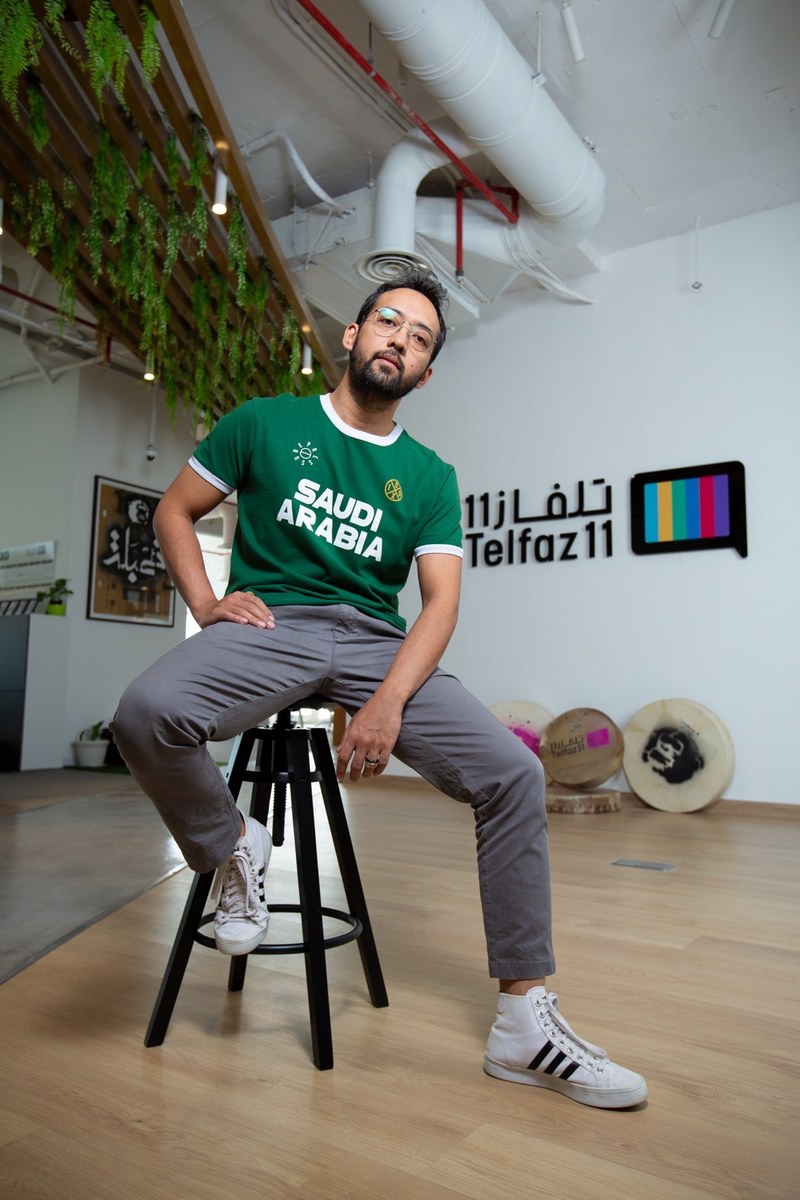
“We are actually seeing the ecosystem evolving all around us,” said Alaa Fadan, CEO of Telfaz11. (Supplied)
Government support has enabled local talent to thrive in the film production industry too, says Alaa Fadan, CEO of Saudi production company Telfaz11.
“We are actually seeing the ecosystem evolving all around us, unfolding right before our eyes, making it easier for players in this industry to push forward with confidence that they can thrive,” Fadan told Arab News.
Telfaz11 rose to prominence through its YouTube channel, and now has shows released on Netflix and other platforms. Fadan believes that with the creativity, passion, and support that currently exists in the Kingdom, Telfaz 11’s content can be a match for anything produced elsewhere in the world.
“Our culture is rich and our stories are tremendously interesting, and the world hasn’t had the chance to hear or be introduced to them properly yet,” Fadan said.
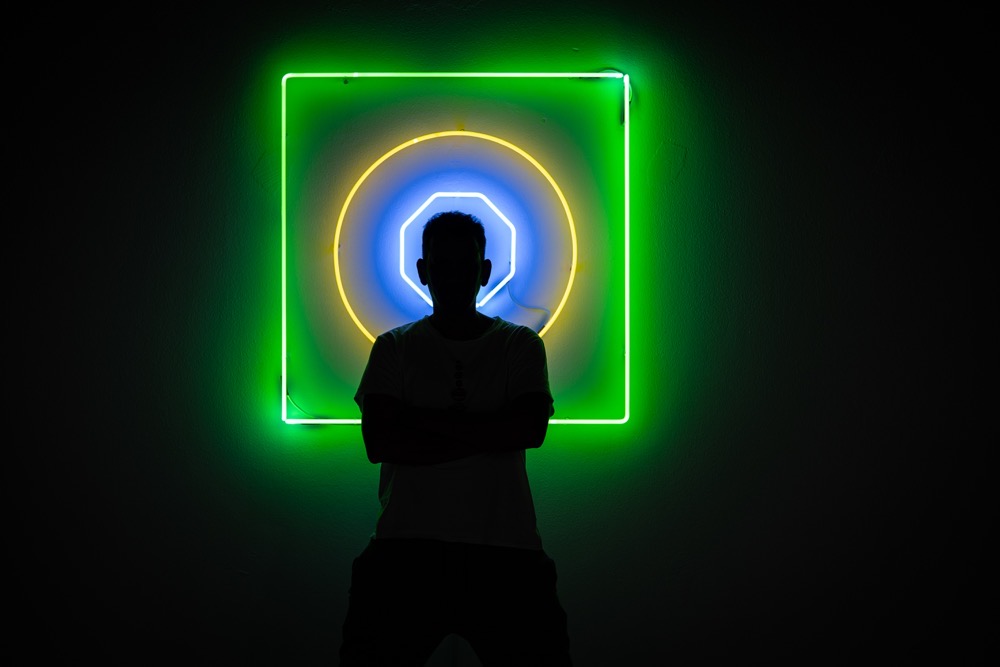
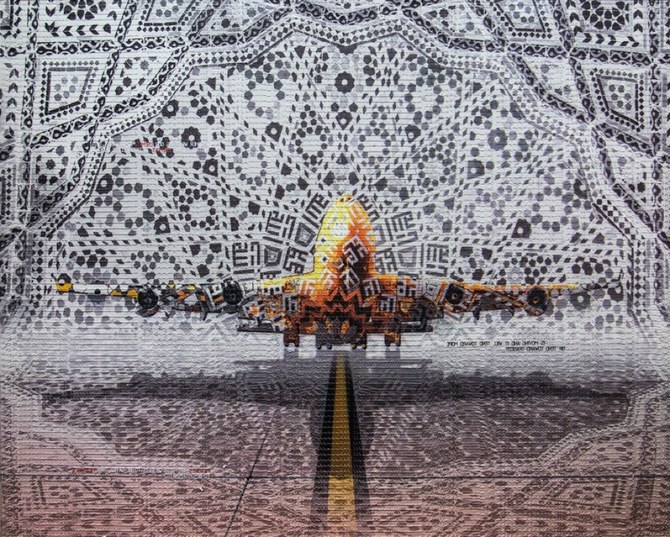
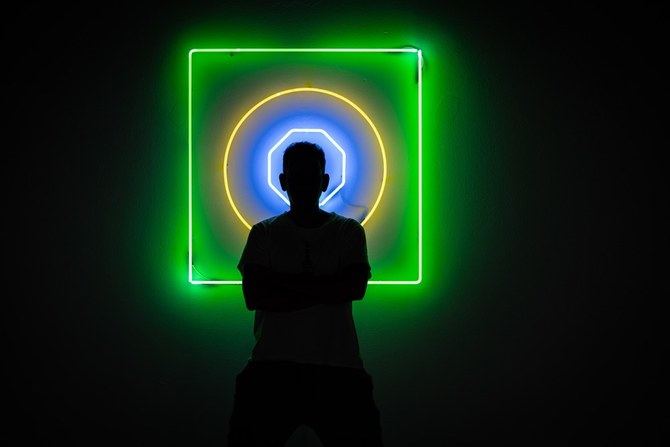
Artists are receiving the support and opportunities to raise the cultural scene in the Kingdom to a new level. (Saad Howede)
Cinemas only reopened in Saudi Arabia on Apr. 18, 2018, after decades without them. That same day was coincidentally filmmaker Afnan Bawayan’s first time setting foot on a film set.
“I remember the first day we shot, police came and shut us down,” she told Arab News, adding that there was an issue with a permit that was later resolved. By the end of that same year, she said, the police actually closed off a public road so that a film shoot could take place.
“It’s a very different feeling (now), from being afraid of what you’re doing to feeling really supported in what you’re doing,” Bawayan said.