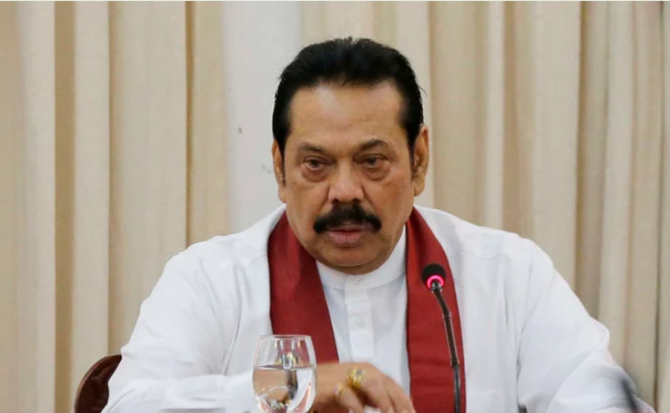
COLOMBO: Sri Lanka’s top court extended on Wednesday a travel ban on ex-PM Mahinda Rajapaksa and ex-finance minister Basil Rajapaksa, as their brother, ousted president Gotabaya Rajapaksa, is expected to return after fleeing the crisis-hit country.
Gotabaya Rajapaksa fled to the Maldives and then Singapore earlier this month to escape a months-long popular uprising over the role his family played in the country’s worst economic meltdown in memory.
He left the country after protesters stormed his home and presidential offices, demanding his resignation. Days later, Rajapaksa’s resignation letter was dispatched from Singapore to Sri Lanka and officially accepted by Parliament on July 15.
It was unclear when the ex-president would return, but Cabinet spokesman Bandula Gunawardena told reporters on Tuesday night that Rajapaksa “is not in hiding nor in exile.”
Gunawardena said: “He will come soon but I don’t know when.”
As Rajapaksa remains abroad, the Supreme Court extended until Aug. 2 an overseas travel ban on his brothers.
The court said in a statement that the order was issued following a petition “requesting the court to issue an order for an investigation against the people responsible for the current economic crisis.”
Protests flared up on the island nation of 22 million people in March and have spread across the country as people struggle with daily power cuts and shortages of basic commodities such as fuel, food and medicines.
Sri Lanka has run out of foreign currency reserves, leaving it unable to pay for imports. In May, the country officially defaulted on its debt.
Protesters have blamed the Rajapaksas, Sri Lanka’s most powerful political family, for mismanagement of the country’s finances.
The political dynasty began with Mahinda Rajapaksa, who was president from 2005-2015. His three brothers were also involved in politics at that time. Gotabaya led the defense ministry, Chamal — the eldest of Rajapaksa siblings — was speaker of parliament, while the youngest sibling, Basil, was a cabinet minister.
After Mahinda’s presidential term ended, he was absent from the top leadership for three years until becoming prime minister in 2018.
When Gotabaya won the presidency in 2019, the family’s grip on power strengthened: Chamal Rajapaksa was soon named minister of irrigation and state minister of home affairs, and of national security and disaster management, while Basil was appointed finance minister. Mahinda’s son, Namal Rajapaksa, became minister of youth and sports.
Though the Rajapaksas have all resigned from government over the past few months amid mounting demonstrations, protesters continue to demand investigations into the family’s role in the economic crisis.
After his resignation, Gotabaya Rajapaksa no longer enjoys immunity from prosecution, but many people remain skeptical of the new government’s willingness to investigate the former leaders.
Sri Lanka’s new president Ranil Wickremesinghe, a Rajapaksa ally, last week appointed a Cabinet comprising the same politicians that served under the former president.


![]()

Sri Lanka extends travel ban on Rajapaksa brothers as ex-president expected to return
Short Url
https://arab.news/4b3kj
Sri Lanka extends travel ban on Rajapaksa brothers as ex-president expected to return
- Gotabaya Rajapaksa fled earlier this month to escape months-long popular uprising
- Protesters have blamed family for mismanaging country’s finances


Latest updates



Recommended


© 2026 SAUDI RESEARCH & PUBLISHING COMPANY, All Rights Reserved And subject to Terms of Use Agreement.