


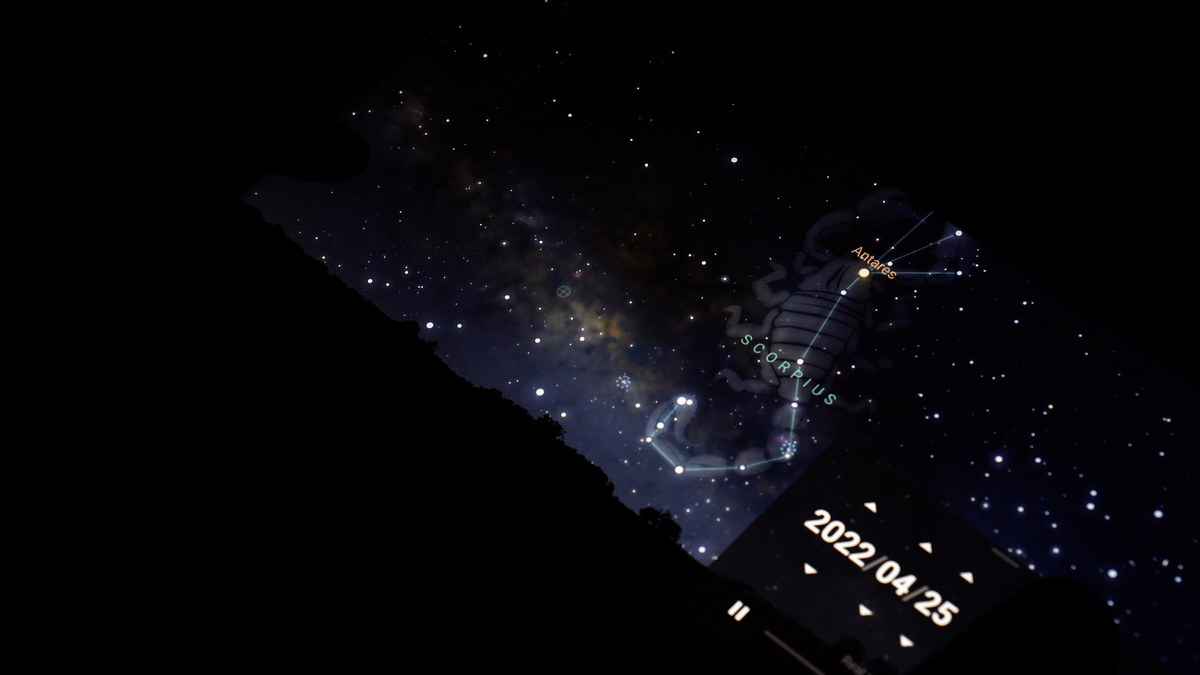
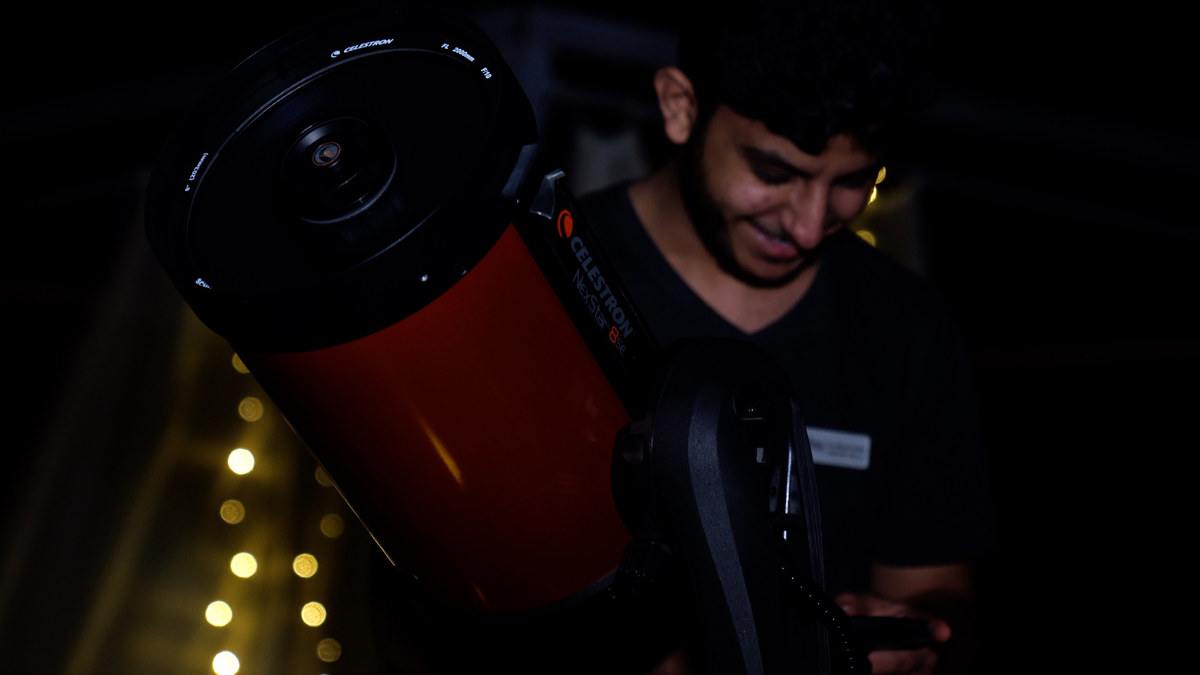
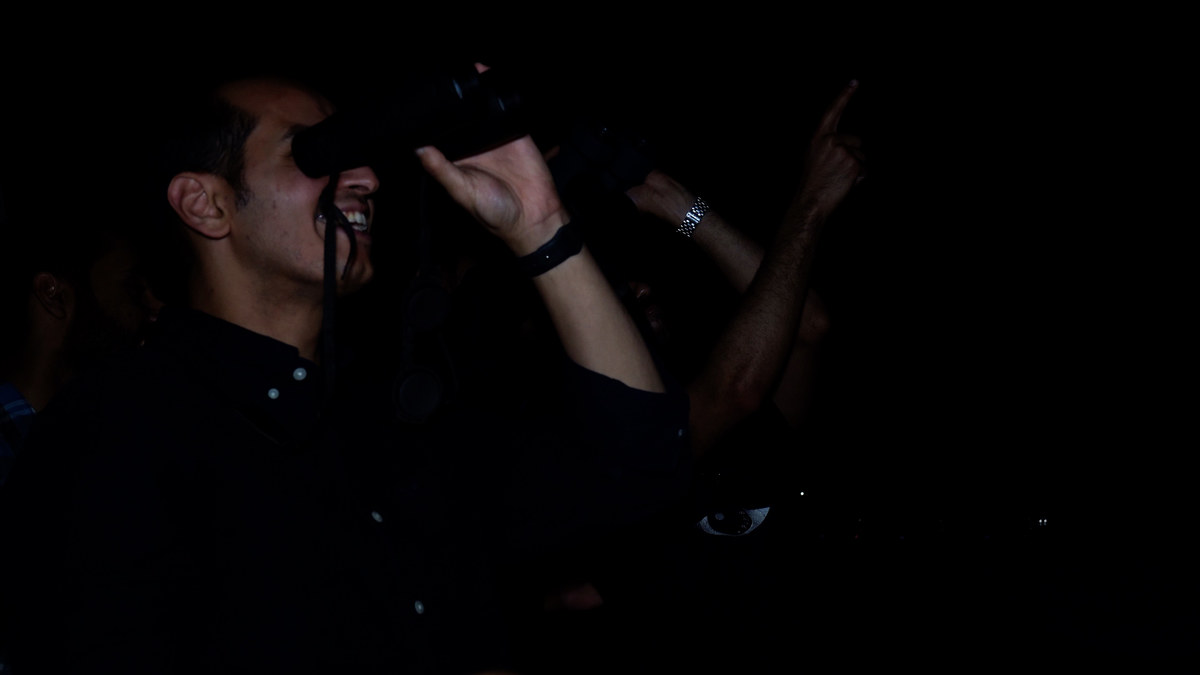
RIYADH: Astronomers and tourism chiefs were among those to take in a starry night at a special event organized by The Red Sea Development Co., to highlight the project’s desire to create a Dark Sky Reserve.
The company declared in March that it wants to become the biggest such reserve in the world, and is seeking an accreditation that acknowledges places with excellent starry nights and a dedication to nighttime environmental protection.
With this in mind, the company organized a night event at a desert site in the company’s project area on Sunday, aiming to spread awareness on the essentialness of implementing sustainable changes to how we view and use light to minimize environmental damage.
Attendees ranged from the company’s team members to guests from the astronomy, tourism, and environmental sector in Saudi Arabia, who took turns in explaining the importance of preserving dark skies by implementing solutions that minimize light pollution — a key antagonist in the dark sky world.
(Supplied)
In an interview with Arab News, Myriam Patricia Lopez, TRSDC’s lighting director, said: “We think it’s really important to inform everybody about the purpose of keeping our pristine dark skies and what we can do to avoid light pollution.”
The company is keen on becoming a tourism entity that preserves all aspects of nature, according to Lopez, with Dark Sky being one of their main initiatives.
“By all of these series of principles and ideas, we’re aiming to set the standards and to show to Saudi and to the world that we can have beautiful developments, and protect our nature, protect their sensitive species, and in this case, dark sky,” she added.
Read more: More than 75% of TRSDC buildings aiming for top global sustainability rating
(Supplied)
Today’s generation is the first ever to not be able to see stars in the dark night sky, with light pollution being the main catalyst of this phenomenon, according to Ahmad Al Thaher, a delegate member of the International Dark Sky Association.
“We tend to increase our use of light without actually seeing its effect on our culture. We don’t see the harm of the light anymore, we see it as a safe sign; we just turn on the light and live all the remaining day,” said Ahmad Al-Thaher in an exclusive interview with Arab News.
According to him, stars are not just essential to be seen with the naked eye, they are also important to Arabian culture.
“If we switch off the lights, immediately, we can see the stars. But we cannot just rebuild the whole cultural knowledge that we have lost over the years; we cannot just bring back the biodiversity we lost by light pollution over the years,” he added.
(Supplied)
Al-Thaher, also founder of Judai stargazing, further laid claims that the company is the first commercial entity in the world to fully adapt the dark sky principle.
“Now with the TRSDC, we see also the hotels, and the resorts are also adopting these principles. This has never been done in the whole world,” he said.
Other sustainability efforts by the group include sustainable mobility, sustainable utilities, eco-friendly construction, and proper waste management.
The company’s main goals once its facilities are fully operational include eradicating single-use plastics, zero waste to landfill, and zero discharge to the sea.


