


LONDON: A book that explores Muslim civilization in Eastern Europe and the Western Balkans has been shortlisted for the Stanford Dolman Travel Book of the Year award on the centenary of the collapse of the Ottoman Empire.
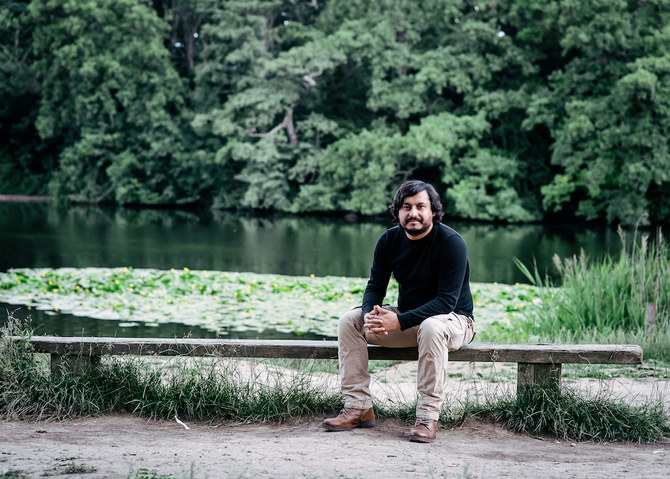
“Minarets in the Mountains: A Journey Into Muslim Europe” by Tharik Hussain tells the story of a road trip taken by the Bangladeshi-born British-Muslim author with his family through parts of the continent that are home to some of Europe’s largest indigenous Muslim communities.
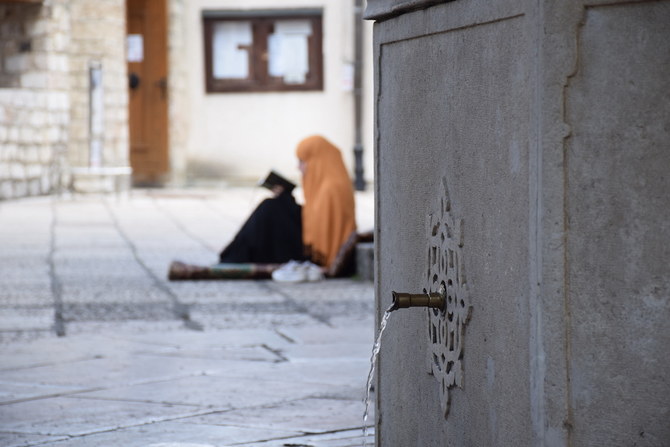
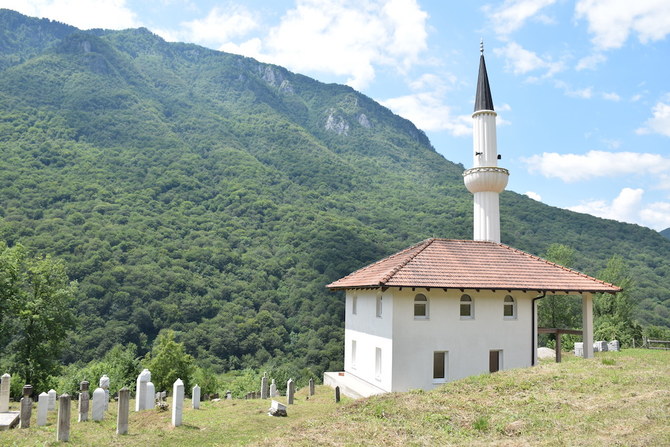
The narrative partly follows in the footsteps of 16th-century Ottoman traveler Evliya Celebi through Serbia, Kosovo, North Macedonia, Albania and Montenegro. It includes trips to forgotten Islamic cultural centers, such as Gjirokaster and Berat in the Albanian mountains, former strategic Ottoman capitals like Skopje in North Macedonia, and little-known Muslim towns like Novi Pazaar in Serbia.

“It was exactly a hundred years ago in 1922, that the Ottoman Empire was dissolved, and with it the idea of a ‘Muslim Europe,’ so the prospect of winning an award almost exactly a hundred years since then for a book that celebrates a living Muslim Europe, would be truly magical,” Hussain said.
One of the world’s only Muslim travel writers, Hussain said he believed his book’s listing showed the genre was changing and that the need for alternative voices and narratives in travel writing was being recognized.
He said he found it astonishing when educated people were surprised to realize that there were European Muslims, when they had been “living their lives in plain sight” for the past 600 years.
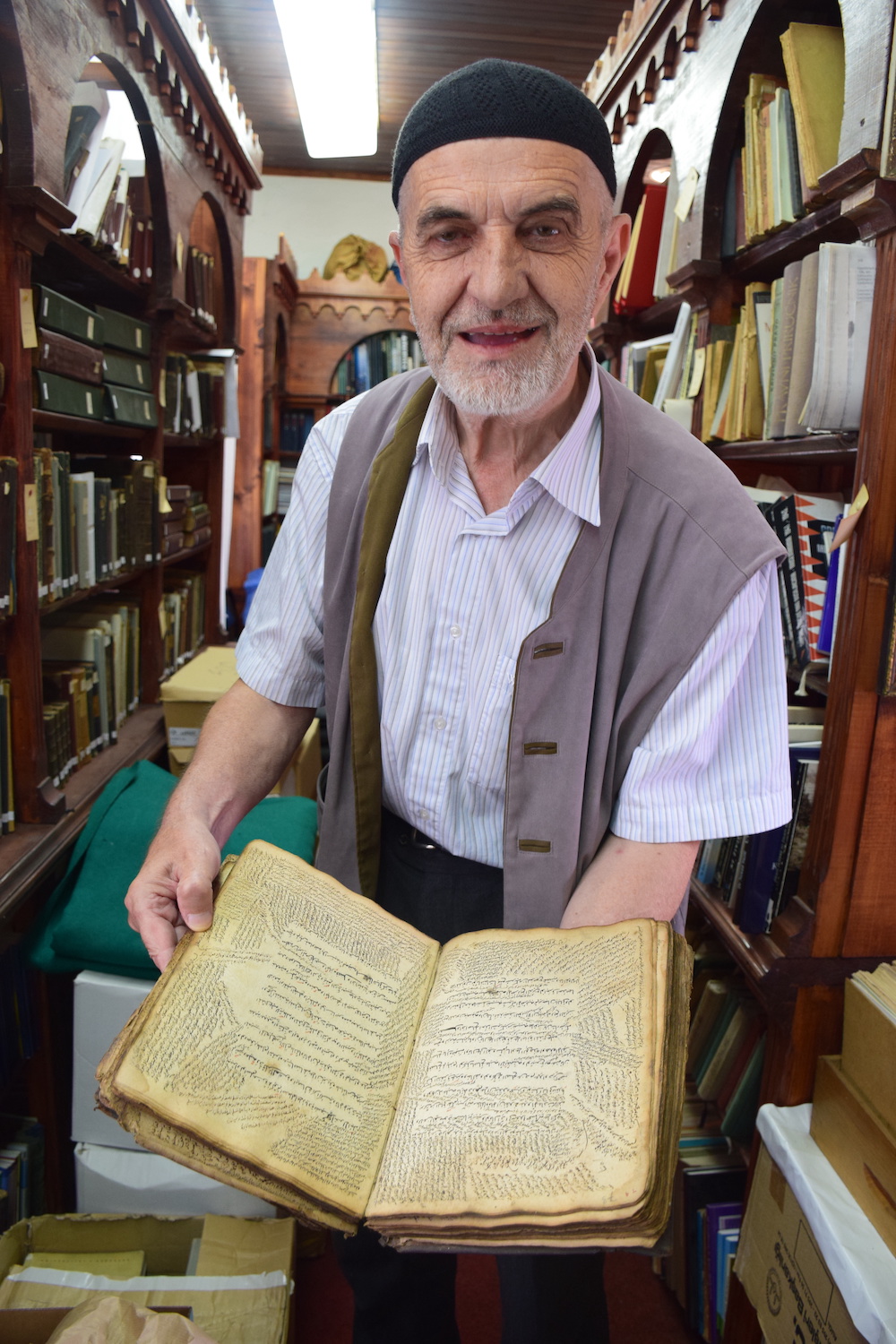
The ‘Effendi’ in Tharik Hussain’s book holding open an ancient Islamic book. (Supplied/Tharik Hussain)
In his book Hussain attributes this as a source of Western Europe’s modern xenophobia and Islamophobia because it has always been uncomfortable with its Muslim self.
“By calling it ‘Eastern’ Europe and always insisting on this qualifier when referring to Europe’s former Muslim lands, Western Europe has successfully ‘othered’ those countries and their people; who are seen as not quite ‘European’. Thus Europe has successfully distanced itself from its Muslim self, and that’s why people do not believe there are Muslim countries in Europe,” he said.
Oh wow! .... I have been SHORTLISTED Folks!!!
This is such a crazy honour. Thank you everyone (and apologies for the noise level!) #shortlisted #humbled #honoured https://t.co/nIum9WBLlW
— Tharik Hussain (@_TharikHussain) February 1, 2022
The book, which was released in July, has already been longlisted for the Baillie Gifford Prize for nonfiction, and named among the books of the year by the Times Literary Supplement, Prospect Magazine and The New Statesman, and as a travel book of the year by The Washington Post and Newsweek.
“Minarets in the Mountains” is one of five books that have been shortlisted for the Stanford Dolman prize. The others are “Fifty Sounds” by Polly Barton, “Small Bodies of Water” by Nina Mingya Powles, “The Amur River” by Colin Thubron, and “Wars of the Interior” by Joseph Zarate. The winner will be announced on March 3 at a ceremony in London.
Shortlisted for the 2022 Edward Stanford Travel Writing Awards: Stanford Dolman Travel Book of the Year in association with the @AuthorsClub:
Minarets in the Mountains by Tharik Hussain@_TharikHussain@BradtGuides #ESTWA22https://t.co/1ZToolm81x
— Stanfords (@StanfordsTravel) February 1, 2022


