The most wonderful time for winter activities in Saudi Arabia

1 / 4
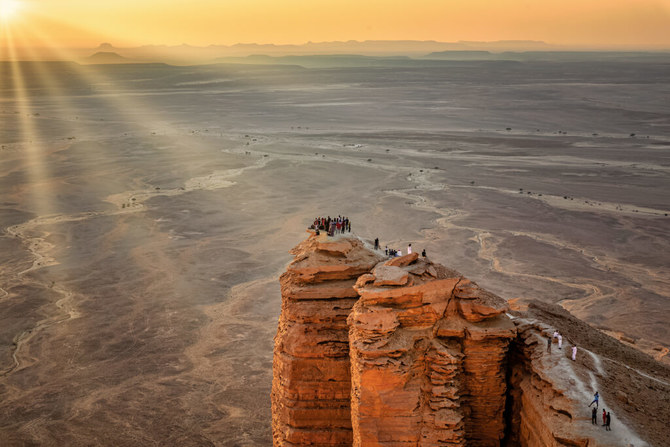
Arabian Nights offers tours to the Edge of the World (Jebel Fihrayn) in Riyadh. (Supplied)
2 / 4
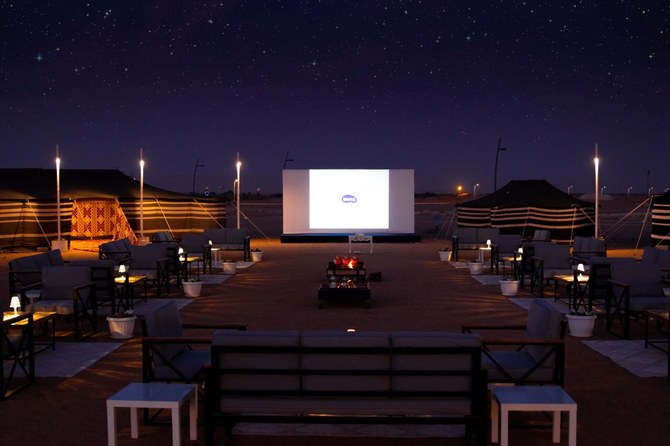
Arabian Nights, established in 2017, provides domestic tourism trips for locals, residents and visitors alike. (Supplied)
3 / 4
People visit the Tabah volcano, east of Hail. (Supplied)
4 / 4
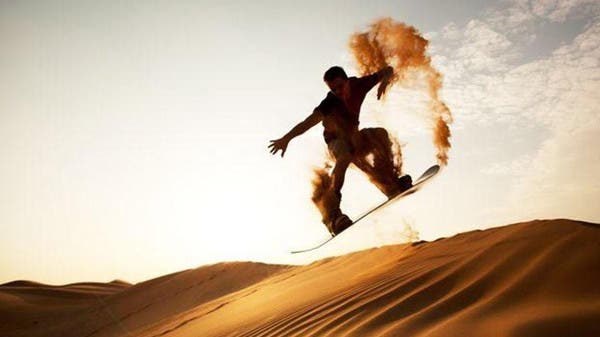
Sandboarding has become a popular activity and sport in Riyadh. (Supplied)
Short Url
Updated 29 December 2021
Follow

The most wonderful time for winter activities in Saudi Arabia

  • People in the Kingdom light fires in the desert and take part in all sorts of winter activities during the season
  • ‘Dune bashing, hiking, visiting historical sites are some of the best ways to experience Saudi culture’

RIYADH: Cooler days during the winter season bring a different selection of activities and excursions to Saudi Arabia. 

While people in colder parts of the world may choose to stay in and turn on their radiators to keep warm, the people of the Kingdom light fires in the desert and take part in all sorts of winter activities.

One local company in Hail is offering plenty of festive activities this winter season. Arabian Nights, established in 2017, provides domestic tourism trips for locals, residents and visitors alike.

“Winter is the most important season here because it’s a time where people love to go out and explore Saudi,” said Omar Alshammeri, chief executive officer of Arabian Nights. “It’s also a beautiful opportunity to meet new people and first-time visitors to the Kingdom.

“One of the most important elements here during the winter season is desert activities,” he said. “Dune bashing, hiking, camping, visiting historical sites are some of the best ways to experience the Saudi culture and have a great time this winter.”

The company offers many services and activities for its customers, such as planned itineraries in Riyadh, Qassim, Hail, Jazan, Al-Ahsa, Tabuk, and Jeddah, as well as safaris, desert motorbike riding, and accommodating clients with hospitality services such as flights, stays and providing local traditional food.

Al-Thumamah Desert is a Riyadh favorite, according to Alshammeri.

Located one hour north of the capital, locals have been frequenting this desert for generations, making it a time-old tradition in the Kingdom, especially during the winter season.

“When the wintertime enters, we set up a camp site in Al-Thumamah with the hopes of creating a beautiful atmosphere filled with fun activities for families and friends to enjoy.”

Sandboarding has become a popular activity and sport in Riyadh as well.
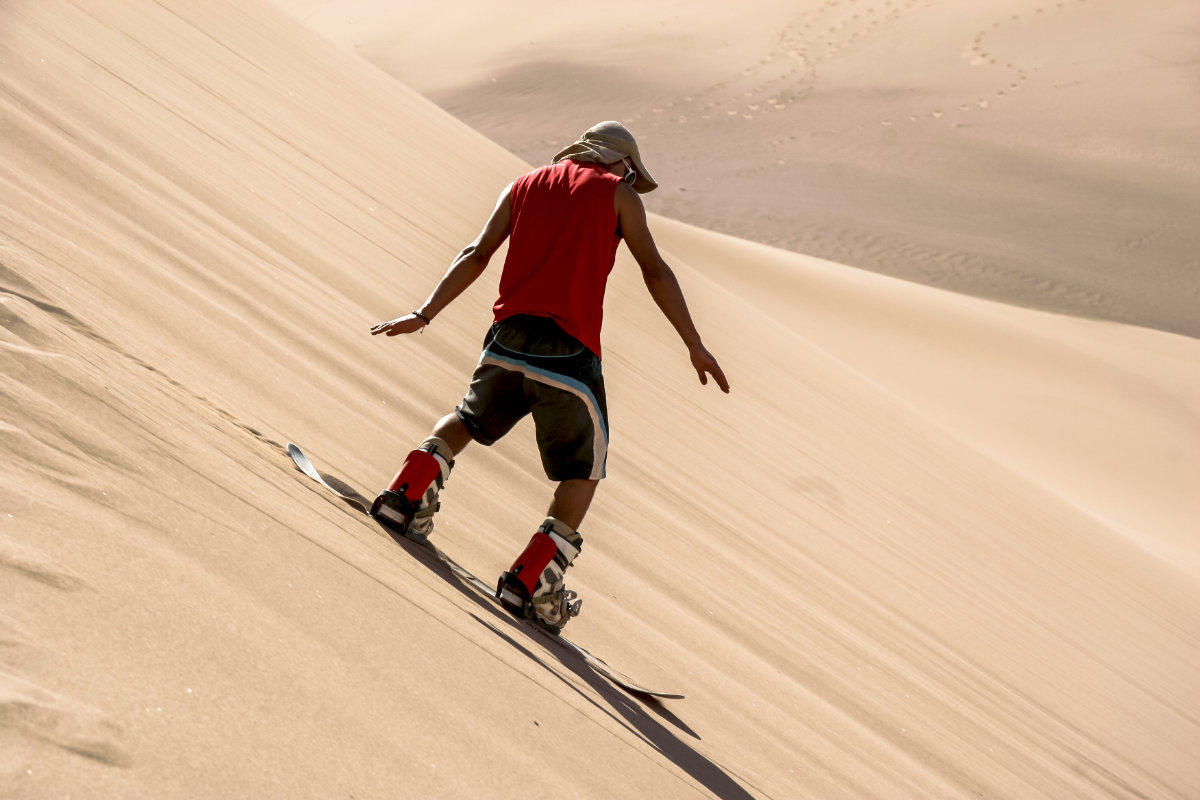


Sandboarding is a popular sport in Riyadh. (Shutterstock)

“People love sandboarding during the winter, and with Arabian Nights, you can definitely come out and join us for an exciting experience.”

Alshammeri also recommended that visitors go on historical tours in the Riyadh region, including visits to the National Museum, Masmak Fortress, and the Aviation Museum.

“Our core values lie at the happiness of our clients and exposing them to more of Saudi culture — that’s what drives us,” he added.

Alshammeri says the drive to run these events and activities is also fueled by the need to keep up with the pace of Vision 2030 for the tourism sector. 

“The tourism sector here is a new sector and needs companies working to provide more of its recreational services,” Alshammeri said. “To keep pace with the Kingdom’s vision for the sector, there must be high capabilities and competencies to lead the tourism scene.” 

Tickets to Arabian Nights’ winter activities can be found through their official website https://www.an-ksa.com/ or Instagram account @arabian.sa

All this comes in addition to Riyadh and Jeddah Season and Winter at Tantora taking place in AlUla. 


Klija Festival in Buraidah empowers small businesses

Updated 24 January 2026
Follow

Klija Festival in Buraidah empowers small businesses

  • Half a million attend 15-day celebration of heritage; event creates 1,500 seasonal jobs

RIYADH: The 17th Klija Festival in Buraidah drew more than half a million visitors during its 15-day run, celebrating the region’s heritage and entrepreneurial spirit.

Organized by the Qassim Chamber of Commerce, the event highlighted small businesses, providing a platform for entrepreneurs to showcase local products.

More than 340 sales outlets, marketing corners and points of sale welcomed attendees, while the festival provided 1,500 seasonal job opportunities, the Saudi Press Agency reported.

The small business pavilions featured families in the cottage industry, artisans and startups presenting traditional foods, and handicrafts and heritage items that reflect the region’s identity.

Participants said that the festival was a key marketing platform, boosting sales, increasing brand awareness, facilitating knowledge exchange and fostering connections with organizations supporting SMEs.

Mohammed Al-Hanaya, Qassim Chamber secretary-general and festival supervisor, said that the event brought together families, artisans, SMEs, companies and institutions, stimulating commercial activity, opening direct marketing channels and enhancing economic returns.

He added that the festival provided seasonal jobs for more than 1,500 young men and women across operations, marketing and services, supporting the labor market, empowering national talent, and connecting youth to the events and creative economy.

Klija, a traditional cookie made from wheat flour, dates or sugar, date syrup and natural ingredients such as cardamom and lemon, is a rich source of energy, carbohydrates, dietary fiber and natural proteins.

A cultural icon rooted in Qassim’s traditions, the cookie has gained international exposure through the festival, expanding the availability of packaged products.

Starting next year, the festival will be renamed the International Klija Festival, a rebranding approved by Qassim Gov. Prince Faisal bin Mishaal, who described it as a “successful model for turning local initiatives into global economic engines.”

This year’s festival, held at the King Khalid Cultural Center, included international participants from Egypt, Turkiye and Morocco, marking its evolution into a cross-cultural platform.