

AlUla celebration kicks off Winter at Tantora

1 / 5
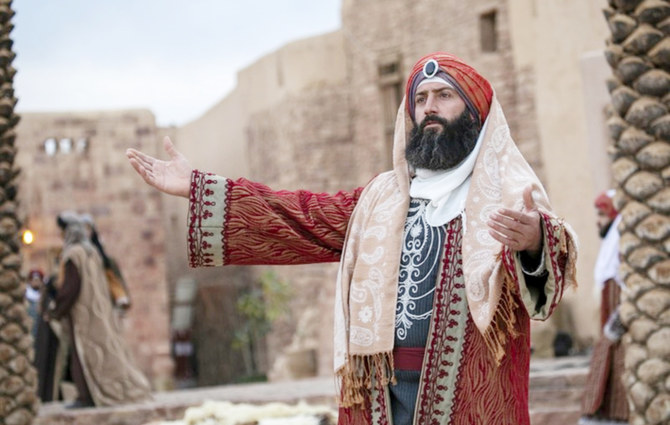
Saudi Arabia’s AlUla celebration kicks off Winter at Tantora. (Supplied)
2 / 5
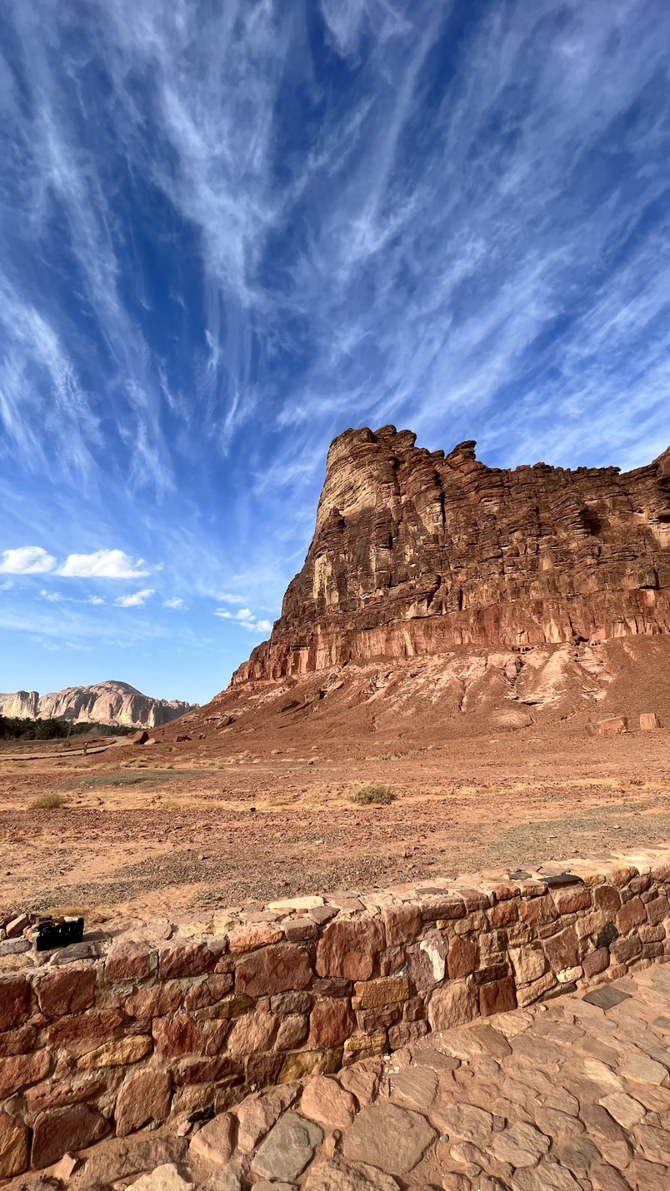
Saudi Arabia’s AlUla celebration kicks off Winter at Tantora. (AN Photo/Zaid Khashogji)
3 / 5
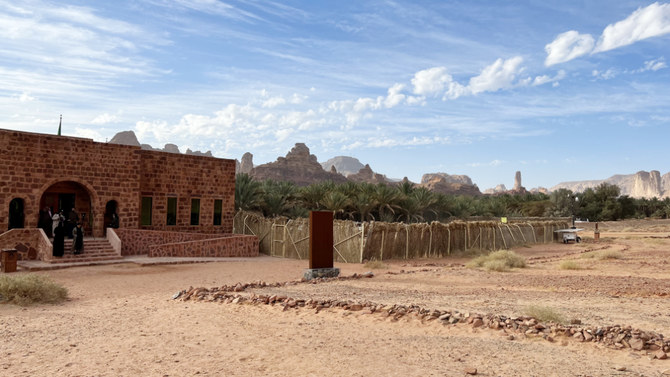
Saudi Arabia’s AlUla celebration kicks off Winter at Tantora. (AN Photo/Zaid Khashogji)
4 / 5
Saudi Arabia’s AlUla celebration kicks off Winter at Tantora. (AN Photo/Zaid Khashogji)
5 / 5
Saudi Arabia’s AlUla celebration kicks off Winter at Tantora. (AN Photo/Zaid Khashogji)
Short Url
Updated 27 December 2021
Follow

AlUla celebration kicks off Winter at Tantora

  • Different areas have been set up in AlUla’s Old Town to showcase the local heritage and aspects of daily social life

ALULA: Winter at Tantora commenced on Wednesday, with the sundial the festival named after marked the change of the season and the start of the planting season in AlUla, known as Al-Marba’aniya.

AlUla’s most-prominent landmark, the "Tantora" sundial is found in the old town. The winter festival is named after the sundial because of the essential role it played in the lives of the city’s people.

This culturally significant festive season has always been filled with celebrations. The community has always been proud of their time-old traditions, and they continue to revive it every year.

“We’re extremely happy that our culture and traditions are being showcased in this beautiful manner to the rest of the world,” said Abdulmalek Ahmad Nseef, 20, from AlUla. “Our city has really been thriving ever since we opened our doors to visitors from all over the world.”

FASTFACT

Winter at Tantora features other experiences such as visiting Hegra, a UNESCO World Heritage site, Sadu Escape, Elephant Rock, a safari excursion showcasing panoramic views of AlUla’s beautiful natural skyline of mountainous rock, the Maraya platform, which has become host to the world’s greatest artist and talents, as well as pop-up restaurants and food trucks.

Winter at Tantora is a six-week festival that is part of the two-month AlUla Moments, similar to Riyadh Season, which is back for its third edition. Visitors to the festivities will be able to experience a range of activities and engage in cultural exploration over the six weeks.

The Tantora Celebration that started on Dec. 22 lasts for five days, focusing on sharing the traditions and culture of the AlUla Oasis.
“It’s been a very warm welcome for us, and we’re really happy to be here,” said Michael Halimi, who visited the Kingdom with his family from France.

“I think we’ve met some of the kindest and most honest people here,” Halimi’s daughter Sarah told Arab News. “It’s the curiosity of the unknown that brought us here, and we’re really glad we came.”

Different areas have been set up in AlUla’s Old Town to showcase the local heritage and aspects of daily social life.
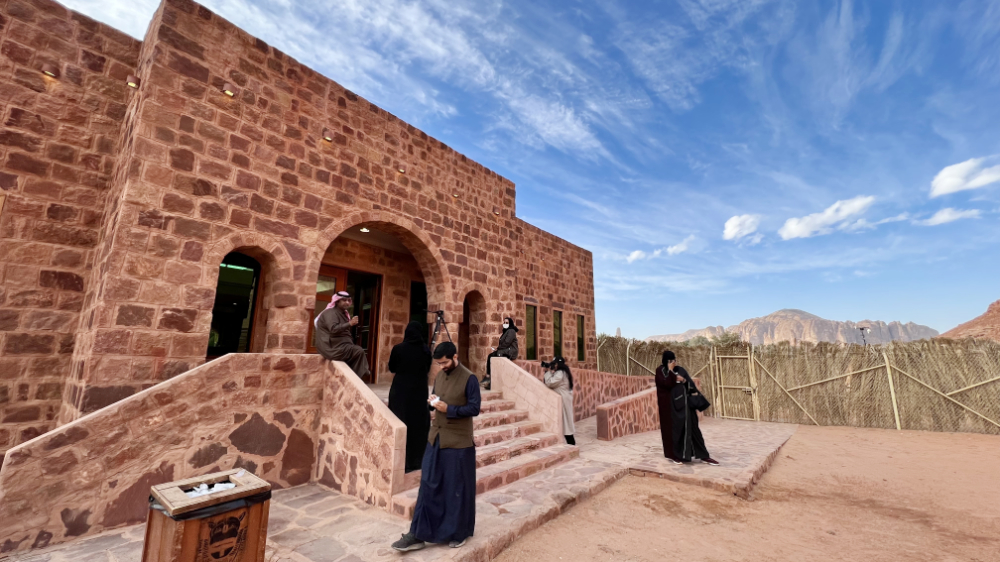
Visitors engaged in four experiences as part of the five-day celebration, including a 45-minute theatrical performance of the iconic Arab explorer Ibn Battuta, followed by a shorter performance teaching people about the significance of Tantora’s architecture.

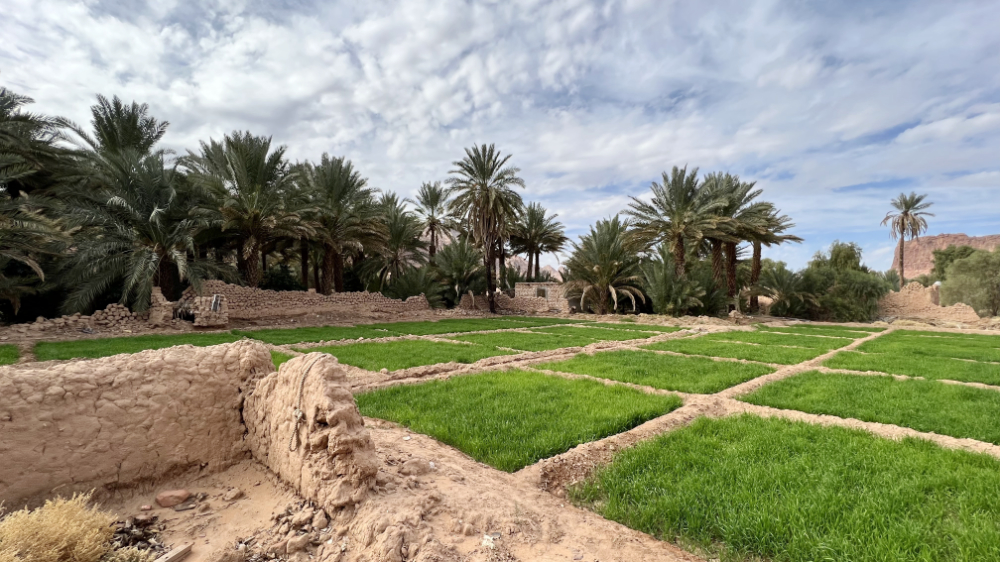
Visitors can then check out the farmer’s market and purchase local goods sourced from the oasis farms, and then finally end the evening by planting crops in the AlUla soil, fully immersing them in the spirit of the Tantora celebration.
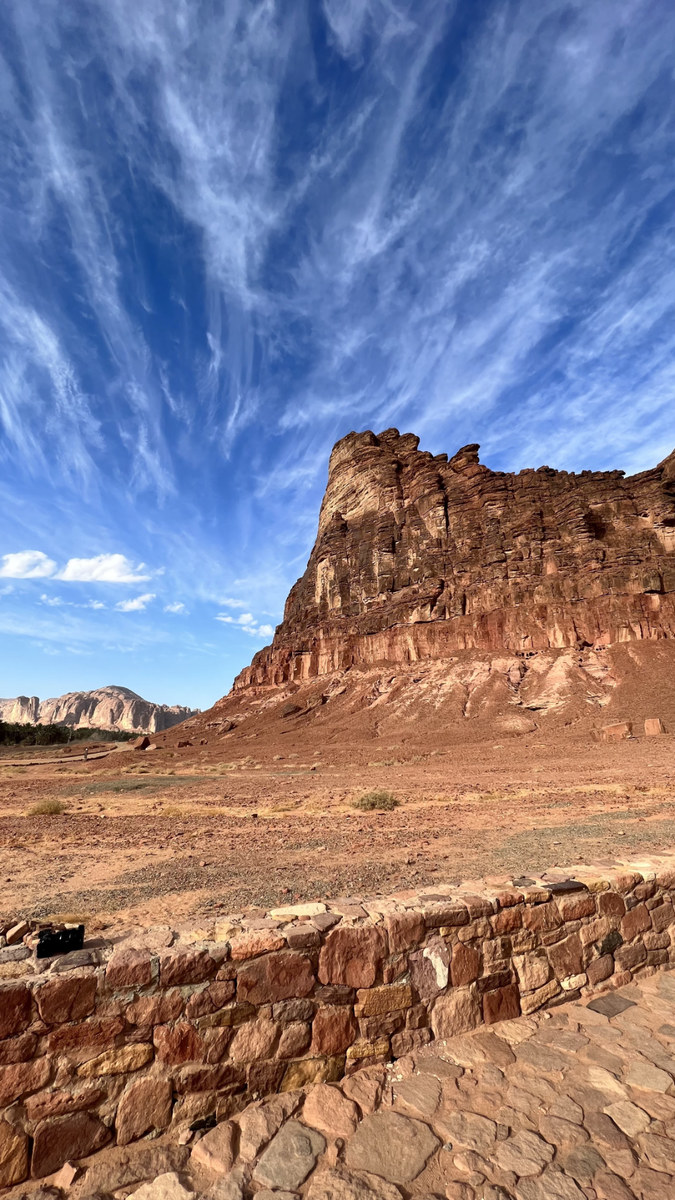
The experience starts at 6 p.m. and at 8:30 p.m. and lasts for around one-and-a-half hours. Tickets can be booked via the official website www.experiencealula.com.

Winter at Tantora features other experiences such as visiting Hegra, a UNESCO World Heritage site, Sadu Escape, Elephant Rock, a safari excursion showcasing panoramic views of AlUla’s beautiful natural skyline of mountainous rock, the Maraya platform, which has become host to the world’s greatest artist and talents, as well as pop-up restaurants and food trucks.


At Jazan festival, Suad Al-Asiri paints memory, land and leadership

Updated 13 January 2026
Follow

At Jazan festival, Suad Al-Asiri paints memory, land and leadership

  • Local artist channels personal hardship into works that reflect Jazan’s identity, heritage
  • Jazan: A Nation and a Prince, places region at the heart of a composition featuring Prince Mohammed bin Abdulaziz and Prince Nasser bin Mohammed bin Abdullah bin Jalawi

RIYADH: At the Ahad Al-Masarihah pavilion at Jazan Festival 2026, Suad Al-Asiri’s paintings blend memory, place and personal history, offering visual narratives shaped by beauty and hardship. 

A novelist and visual artist, Al-Asiri has long used art as a storytelling tool. After a near-fatal car accident in March 2024, her work took on a new urgency. Bedridden for 11 months, cut off from the public world for more than a year, she describes that period as one of the most painful in her life — yet also transformative. 

“First of all, praise be to God for granting me life, as the accident was extremely severe,” she said. “By God’s grace, I was given a new life. All my thinking after the accident was about becoming an inspiration to others — about enduring pain and obstacles, and still leaving an impact.” 

Her return to public life came in 2025, when she participated in National Day celebrations with the ministry of interior. By the time she arrived at Jazan Festival, she was ready to channel that experience into her art. 

The centerpiece of her display, “Jazan: A Nation and a Prince,” places the region at the heart of a composition featuring Prince Mohammed bin Abdulaziz and Prince Nasser bin Mohammed bin Abdullah bin Jalawi, governor and deputy governor of Jazan respectively. 

Visitors linger over the details: the painting incorporates coffee beans, sesame and khudair — materials drawn from local products.

“I wanted people to recognize these products immediately,” she said. “They are part of Jazan’s daily life, and using them makes the work more tangible, more connected to everyday experience.” 

The painting sparks conversation. Visitors discuss leadership, identity, and the intimate relationship between people and their environment. 

Beyond the central piece, Al-Asiri presents individual portraits of the two princes, expanding the dialogue into a broader exploration of heritage and memory.  

Her journey into art is tied to her life as a storyteller. Early experiments with charcoal and pencil evolved into abstract art, drawn by its expressive freedom. 

From there, she explored realism, surrealism, and eventually modern art, particularly pop art, which has earned her wide recognition in artistic circles. Her novels and media work complement her visual practice, earning her the title “the comprehensive artist” from the governor.

Yet what stands out most in this exhibition is how Al-Asiri’s personal resilience flows through each piece. Her experience of surviving a devastating accident, enduring months of immobility, and returning to the public eye informs every brushstroke. 

Visitors sense not just her artistic skill, but her determination to turn life’s hardships into inspiration for others. 

Walking through the pavilion, one can see it in the way she blends heritage symbols, southern landscapes, and scenes of daily life. 

Each painting becomes both a document and a dialogue — a celebration of Jazan’s culture, a reflection on identity, and a testament to the power of human perseverance. 

At Jazan Festival 2026, Suad Al-Asiri’s art is a quiet, persistent inspiration for anyone who pauses long enough to listen.