

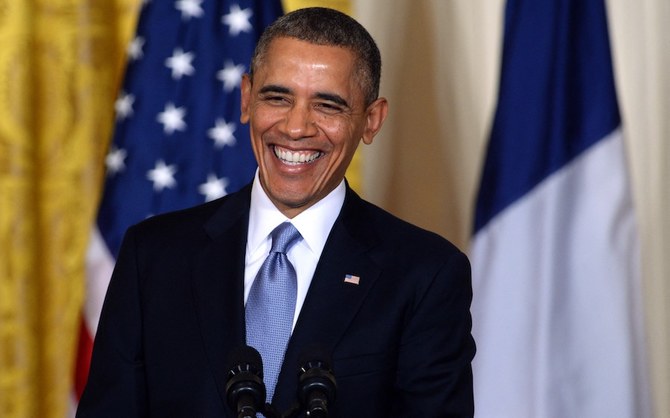

CHENNAI: As the 44th president of the United States of America and, most importantly, the first ever African-American head of the country, Barack Obama made history. Now, a three-part docu-series titled “Obama: In Pursuit of a More Perfect Union” aims to tell his story.
Streaming on OSN in the Middle East, the five-hour work is long and certainly could have been trimmed since the average viewer will know much of what plays out on screen. The series stretches out into an ode to a beloved president, and one cannot help but feel that it could have been a little more critical of a leader who, while widely loved, did have his detractors and policy failures.
Undoubtedly, as president, Obama had a very difficult task ahead. He had to balance the white-and-black equation, and was forced to ask whether he was an African-American first and president second or vice-versa. However, as the docu-series affirms, he earnestly believed that he had to pursue a more perfect union. It was not about a black America or a white America or a Latino America but the United States of America, he said — and in five hours, the makers attempt to prove that he meant it.
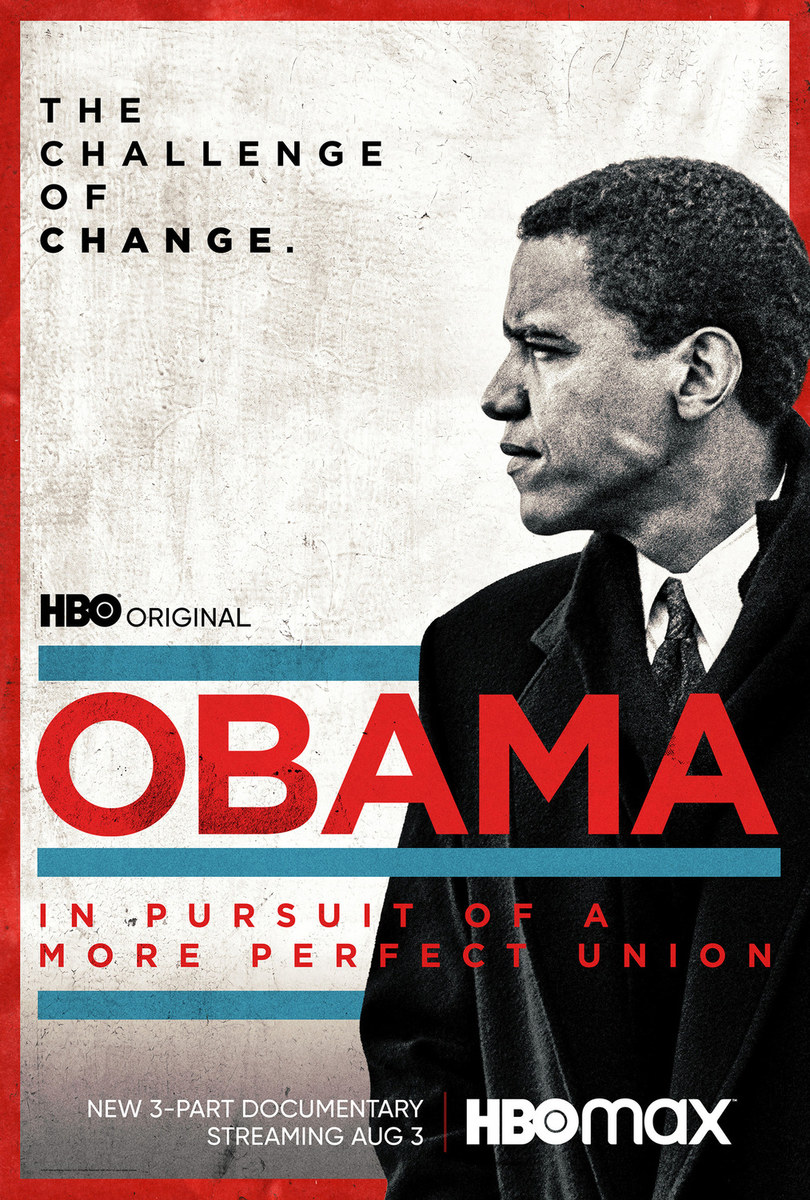
The documentary was directed by Peter W. Kunhardt. Supplied
Director Peter W. Kunhardt (“Nixon by Nixon: In His Own Words” and “John McCain: For Whom the Bell Tolls”), examines this complex issue of Blackness and inclusiveness in interviews with the late Representative John Lewis, Reverend Jeremiah Wright, journalist Michele Norris, Reverend Al Sharpton, professor Cornel West, author Ta-Nehisi Coates, political adviser Valerie Jarrett, professor Henry Louis Gates Jr., politician Jesse Jackson and author Michael Eric Dyson, among others. The Obamas aren’t interviewed for the series — the only family member to appear is the former President’s Kenyan aunt.
The first part, which follows Obama from childhood to his decision to run for president, begins with his famous “race” speech in March 2008. Obama used the make-or-break opportunity to address the issues of race in America and to promote the idea of American unity and hope.
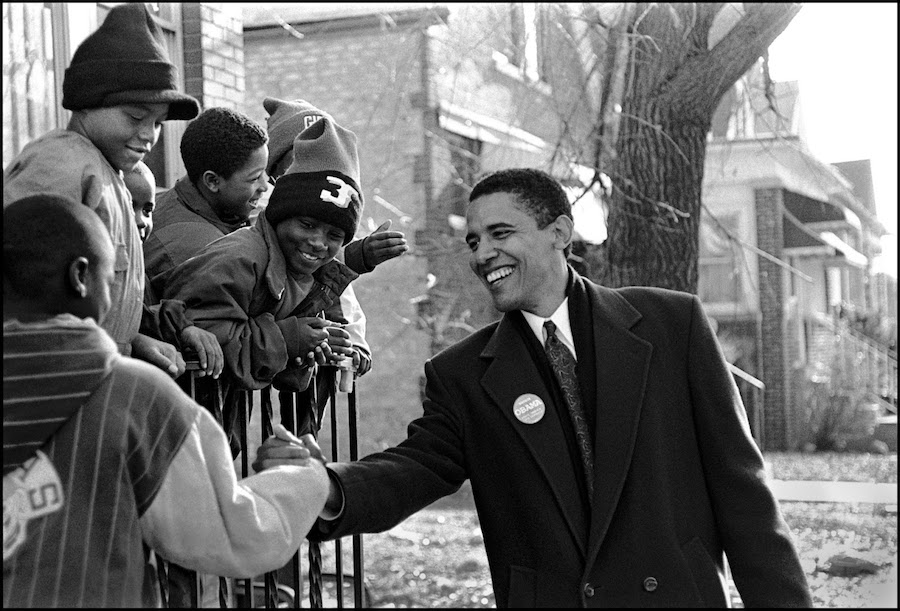
The Disney+ series has the feel of an “ode to a beloved president.” Supplied
The second part, which covers his presidential run, reveals that Obama felt constant pressure “to define his identity along racial lines,” which left him “frustrated by what he saw as a distraction from other important issues.”
The third portion turns to Obama’s time at the White House and his earnest belief in health care for all and combating police brutality against African-Americans. He also had to tackle the economic downturn, the most severe since the Great Depression.
Even though there is no dearth of literature on Obama – books and political biographies and autobiographies included – Kunhardt’s work takes us deeper into the dilemmas faced by Obama and it’s definitely an interesting watch despite its failure to criticize any aspect of his policy.


