ISLAMABAD: Asad Umar, Pakistan’s planning minister and head of the country’s central pandemic response body, the NCOC, announced new coronavirus restrictions on Monday, including that indoor dining at restaurants would be banned and markets would be closed two days a week.
Pakistan reported 4,858 new infections in the last 24 hours, with 40 deaths. Cases had steadily declined in May and June but are now rising once more. The government of Prime Minister Imran Khan is opposed to imposing a complete nationwide lockdown due to its economic side effects and has preferred smart, localized lockdowns in disease hotspots and a focus on implementation of social distancing rules and other health guidelines.
“We have to protect the health of the people as well as their jobs,” Umar said in a statement, announcing that market hours would be reduced from 10 to 8 p.m. and shops would remain closed two days a week.
“It has been decided to close indoor dining, takeaway facility will be available 24 hours a day,” the planning minister said, adding that offices and public transportation would function at 50 percent capacity.
The restrictions would apply in Rawalpindi, Faisalabad, Lahore, Islamabad and Multan until August 31, Umar said.
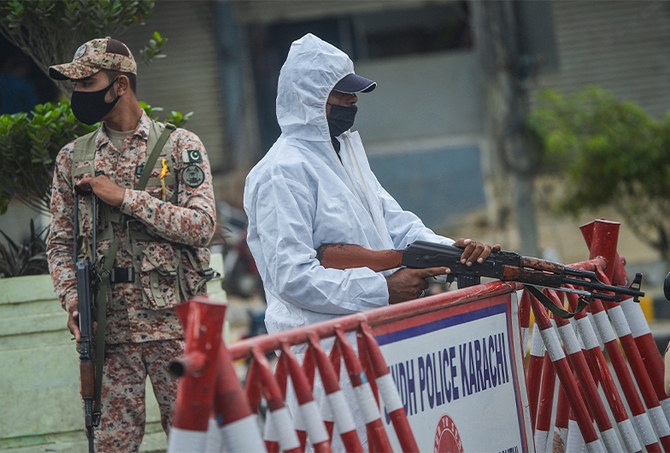
Pakistan’s largest city, Karachi, meanwhile imposed a week-long partial lockdown starting Saturday to curb the spread of the coronavirus Delta variant, as the city’s hospitals are close to saturation levels, the provincial chief minister said last week.
According to Aga Khan University Hospital, there is almost 100 percent prevalence of the Delta variant in the city.
Last week, Pakistan’s federal government announced a ban on staff entering public offices, schools, restaurants, transport, shopping malls and air-travel without vaccination certificates, despite only 2.7 percent of the population having had the full two COVID-19 vaccine shots.


![]()

Pakistan announces new restrictions for August as coronavirus cases rise
Short Url
https://arab.news/rgc8b
Pakistan announces new restrictions for August as coronavirus cases rise
- Indoor dining banned, offices and public transportation to function at 50 percent capacity
- Restrictions to apply in Rawalpindi, Faisalabad, Lahore, Islamabad and Multan until August 31
Latest updates


Recommended


© 2026 SAUDI RESEARCH & PUBLISHING COMPANY, All Rights Reserved And subject to Terms of Use Agreement.