RIYADH: Saudi investors should ensure their portfolios include inflation exposure as global prices continue to accelerate, said a Credit Suisse banker.
The Federal Reserve on Wednesday signaled it may act sooner than previously planned to start dialing back its low-interest-rate policy as inflation gathers pace worldwide.
Fed policymakers forecast that they would raise their benchmark short-term rate twice by late 2023. They had earlier indicated rate hikes would not happen before 2024.
“Certainly inflation and inflationary exposure is the name of the game now, Fahd Iqbal, Credit Suisse head of private bank Middle East research, told Bloomberg TV on Thursday. “There are transitory aspects of inflation, not just in Saudi but in the US and globally — but once that transitory spike abates and we see inflation come down again, we will see structural factors that will help keep inflation higher than we’ve been accustomed to and that’s going to be the case for some time to come.”
Saudi inflation rose for a second straight month in May as the consumer price index hit 5.7 percent. Prices rose from 5.3 percent the previous month according to data from the General Authority for Statistics.
The pickup in inflation highlighted the continuing impact of higher value added tax (VAT) which was increased to 15 percent in July 2020 from 5 percent before. Transport prices also increased by 19.3 percent, led by the rising cost of buying a vehicle.
Rising prices in the Kingdom are now influencing how investors play the market, say analysts.
“Investors really need to make sure that they are focusing on ensuring they have inflation exposure in their portfolios,” said Iqbal. “For us it would be market leaders in consumer and industrial names at the top of the list. Beyond that you would look at financials, which is really about interest rates, a by-product of inflation, not inflation itself.”
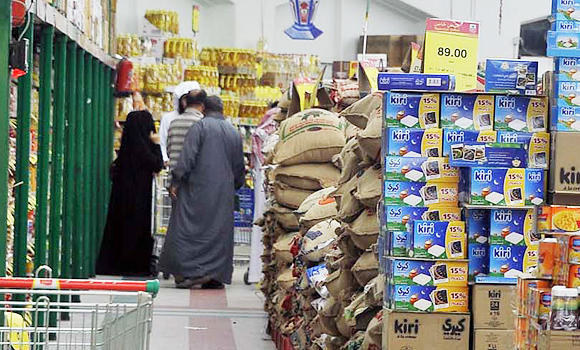
A 7.3 percent increase in food prices was the main driver of Saudi inflation in May 2021, the General Authority for Statistics said yesterday. Food represents a weighting of 17 percent in the Saudi consumer basket that economists use to measure the cost of living in the Kingdom.


![]()

Investors eye Saudi inflation plays as Fed turns hawkish
Short Url
https://arab.news/86kcj
Investors eye Saudi inflation plays as Fed turns hawkish
- Inflation is more than a transitory spike, Credit Suisse says
- Fed moved prediction for first rate rises to 2023, from 2024


Latest updates


Recommended



© 2026 SAUDI RESEARCH & PUBLISHING COMPANY, All Rights Reserved And subject to Terms of Use Agreement.