





JEDDAH: A new generation of Saudi photographers is relying on the power of social media to showcase the Kingdom’s vast beauty.
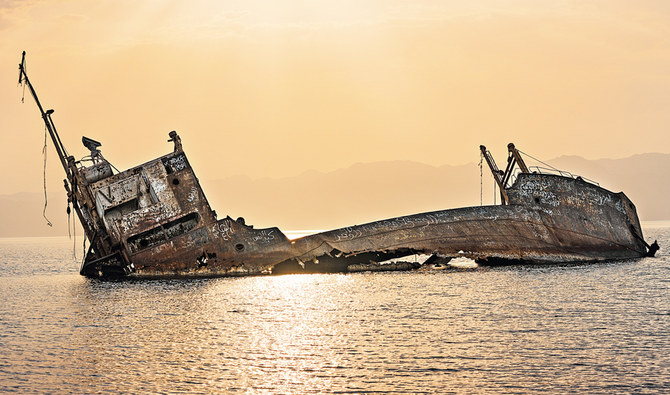
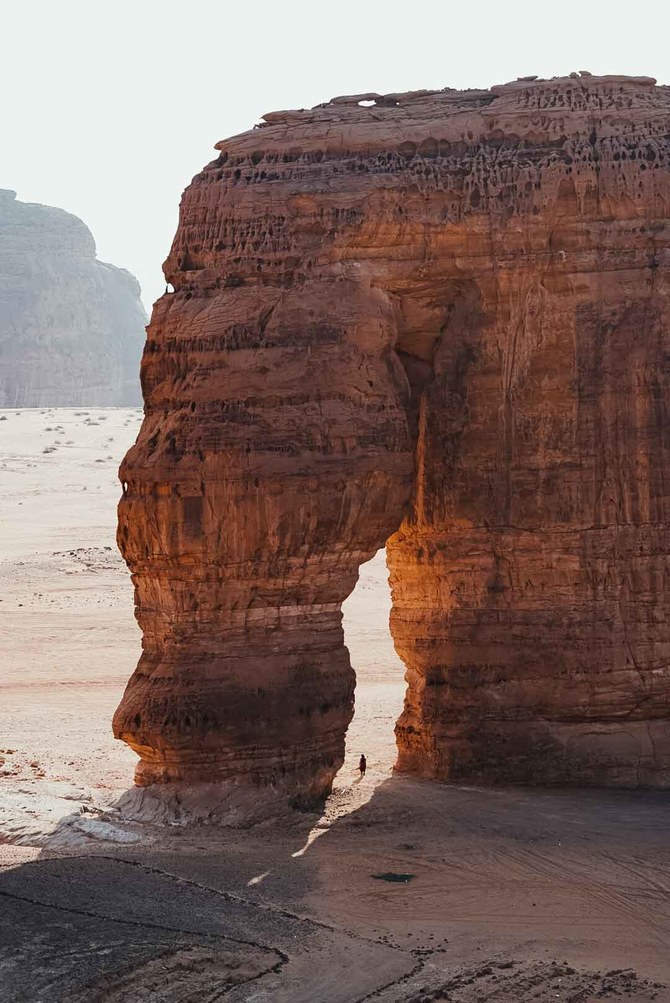
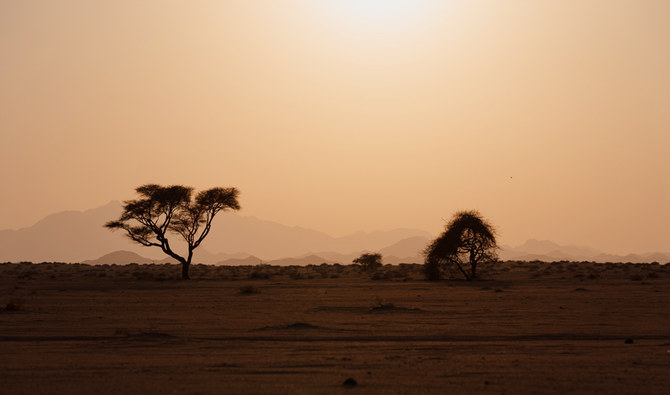
Online platforms have become a melting pot of images taken by photographers who travel the country — from the sandy beaches of the east and west, to the mountains of the north and south, and the green oases of the deserts — discovering the beauty of each region one picture at a time.
Fahad Al-Mutairi, 22, started @thesaudigate on Twitter to promote Saudi Arabia’s “hidden wonders” to a growing tourist market.
“I wanted to be part of the future somehow — that’s why I started Saudi Gate and this is what has motivated me to go on,” he told Arab News.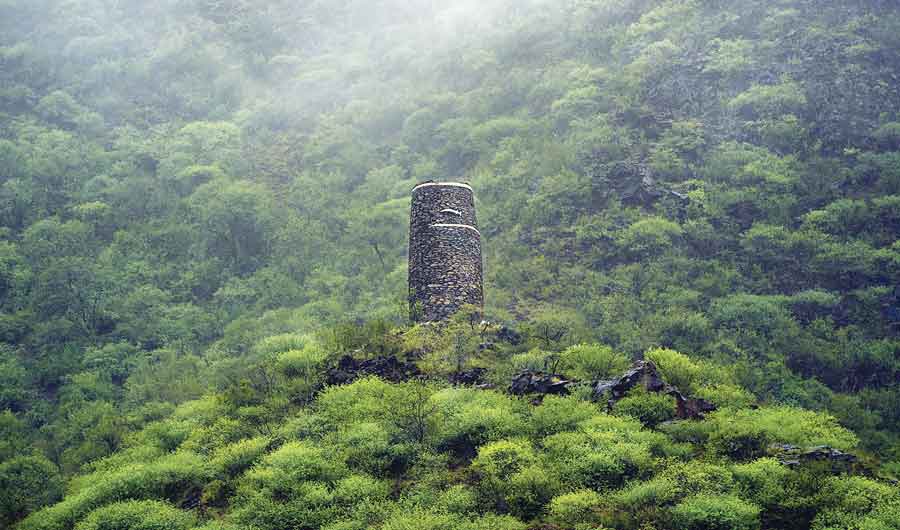
Many other photographers who travel the country share the same outlook.
Faisal Fahad Binzarah, 41, said: “I had to work on a few projects and went to places I had never been before. I remember thinking, where has this been all my life? I never thought I would find such gems in Saudi Arabia.”
Binzarah said that he looks for dramatic landscapes and tries to “capture the overall feeling of the place.”
He said: “The pictures I take are not unique, the uniqueness comes from the places. I am just the conveyer of the beauty and nothing else.
HIGHLIGHTS
• Fahad Al-Mutairi, 22, started @thesaudigate on Twitter to promote Saudi Arabia’s ‘hidden wonders’ to a growing tourist market.
• Al-Mutairi said that about a third of @thesaudigate’s followers are international, and they are usually surprised by what they see.
“As a photographer, I try to capture the right objects at the right time, but often I feel like the beauty is not represented,” he said.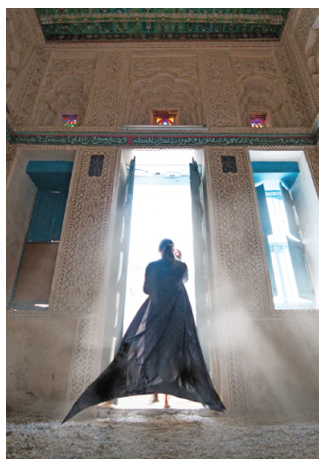
Al-Mutairi said that about a third of @thesaudigate’s followers are international, and they are usually surprised by what they see.
“Often they are amazed but also very happy because after going through the pictures they know that there is a part of the world that they must explore.”
Hadi Farah, 28, a Lebanese photographer who now lives in the Kingdom, said that he had traveled widely in Saudi Arabia and “always felt a sense of welcome and ease.”
“I think tourism is directly influenced by photographers. Whenever I upload something, I receive questions with people asking if this is really in Saudi Arabia or have I accidentally put the wrong name.
“Unfortunately, people think that it is just a desert and nothing else. So by posting pictures of these places we are educating them about possibilities and attractions they thought never existed,” he said.
Binzarah agreed, saying: “Undiscovered places are of interest for professional photographers, because they are always looking for challenges, and I think this ignites their interests to go to these places and explore.”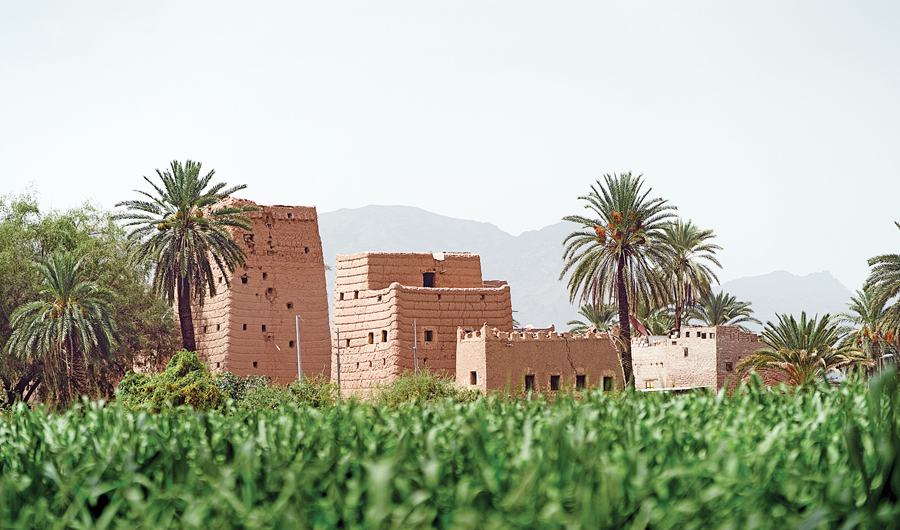
he added that “while the desert might be nothing new to a Saudi resident, it will be of interest to people who live in greener countries.”
Saudi Arabia, as a land of ancient civilizations, is extremely appealing for archaeologists and tourists interested in history, Binzara said.
Farah described the beauty of nature in different places, saying: “We associate beauty with life, and in our minds where there is green there is life, but we forget that there is also life in rocks and sand, and they are rich in history. So, we need to keep in mind that the beauty of AlUla is different from other areas.”
Technology is also having a major influence. Photographers now use drones to reach places that once were too dangerous or remote, and the resulting images shed new light on the power of photography and the beauty of landscapes.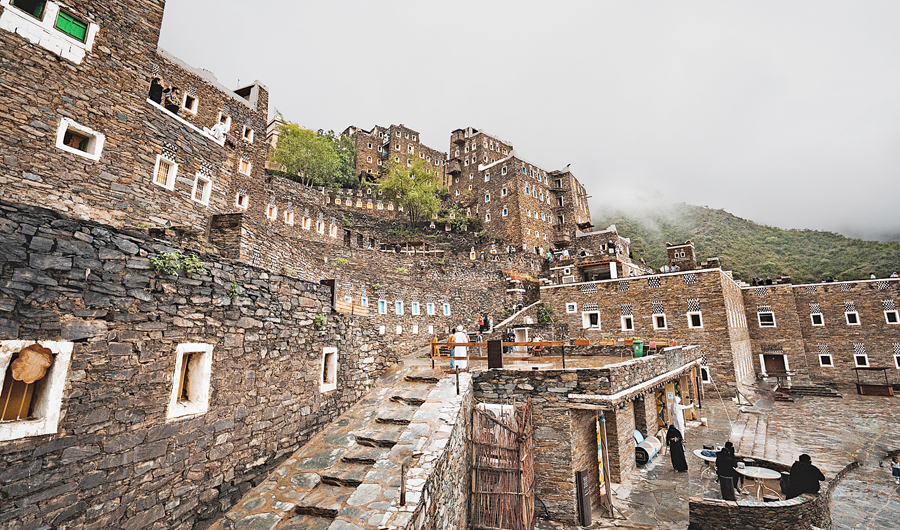
“Being on social media gives us the drive to do better,” Binzarah said. “If there is no community or people to engage with, it gets dull.”
He added: “It is a personal journey and one for everyone to discover Saudi Arabia one picture at a time.”


