MANAMA: As the world combats the spread of the novel coronavirus, two Bahraini entrepeneurs are adding a little color to an item that is now almost part of everyday life — masks.
Noor Khamdan and Nada Alawi want to raise awareness and add enthusiasm to wearing masks in the small Gulf country.
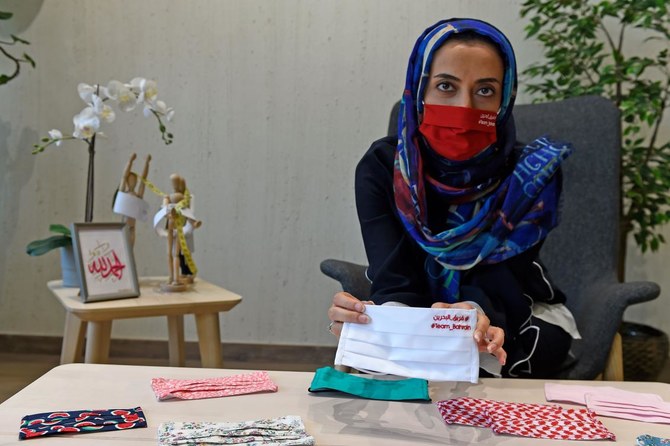
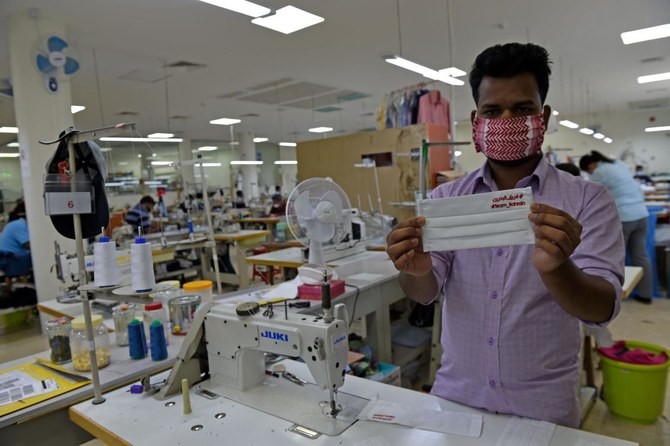
Khamdan’s designs include symbols from Gulf culture, ranging from the traditional ghutra (headdress) or the Bahraini flag to the local viral hashtag #Team_Bahrain.
“The mask you are wearing is to protect you and others against COVID-19 and to also bring color and joy into your life in these hard times,” Khamdan, founder of BH Masks, told AFP.
“By giving people the option to invest in colorful, washable masks, we are ensuring medical masks are saved for those who need it the most, such as medical staff,” said the mother of three whose masks cost around $3.
Like many other Gulf countries, Bahrain has made it mandatory to wear masks outside the home, having eased some restrictions at the start of the Muslim fasting month of Ramadan.
It has so far recorded more than 2,700 infections, including eight deaths.
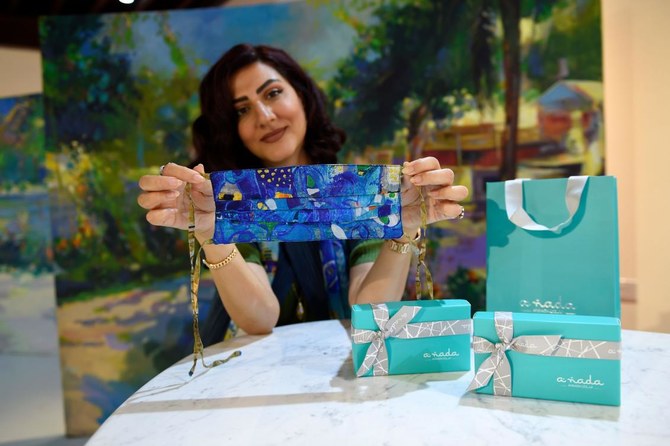
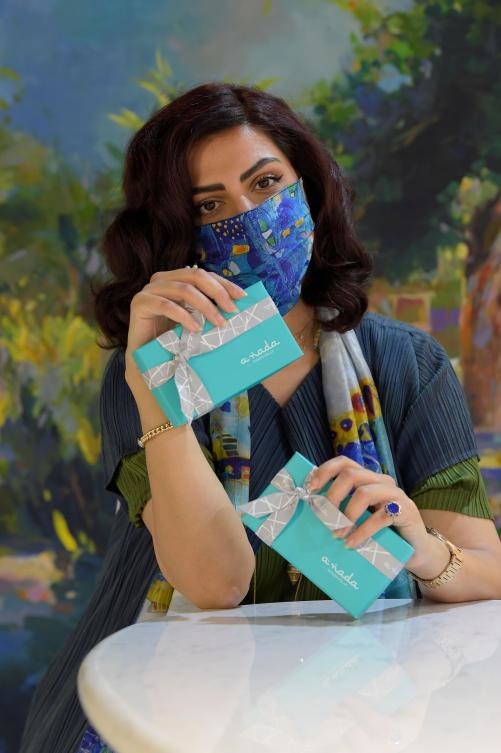
Alawi, co-founder of the lifestyle brand Annada, repurposes uniquely-designed scarves into masks, saying she wants to cater for people who want “something different.”
“Some people want to wear something that gives them a bit of happiness, a bit of inspiration,” she told AFP.
“With masks being mandatory... you can’t tell someone’s feelings, you can’t tell if they’re smiling at you.”
“At least, this is a way to tell someone’s personality when they have color on their face.”
Annada’s masks, which come in a set of three, are giftwrapped in a teal box with a ribbon and cost about $52.
Twenty-five percent of the proceeds go to charity.
“Even at times like this, you want to get a surprise and to feel like you’re getting beauty,” said Alawi.


![]()
![]()
![]()
![]()

Two Bahrainis bring fashion world to masks
Short Url
https://arab.news/5dmza
Two Bahrainis bring fashion world to masks
- Noor Khamdan and Nada Alawi want to raise awareness and add enthusiasm to wearing masks
- Khamdan’s designs include symbols from Gulf culture


Latest updates







© 2026 SAUDI RESEARCH & PUBLISHING COMPANY, All Rights Reserved And subject to Terms of Use Agreement.