

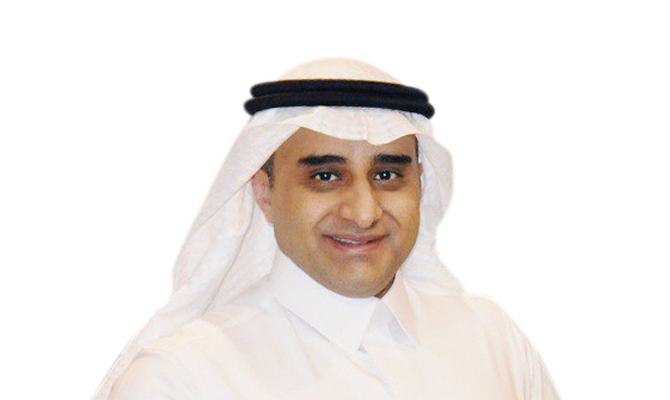
Abdulrahman Al-Asmari, vice president at Taif University

Abdulrahman Al-Asmari
Short Url
Updated 16 March 2020
Follow

Abdulrahman Al-Asmari, vice president at Taif University

Abdulrahman Al-Asmari has been vice president for academic affairs and development at Taif University since October 2016.

Al-Asmari received his doctorate in applied linguistics — computer-assisted language learning (CALL) — in 2008 from the University of Melbourne.

Al-Asmari’s academic career began in 2000 when he was an EFL instructor at the Saudi Royal Air force for a year.

He then worked as a teaching assistant at Taif Teachers College for 5 years. Later, he performed the same role at Taif University for two years until 2008. He also worked as an assistant professor at the same university until 2012.

Al-Asmari was then promoted to director of the English Language Center at Taif University until March 2017.

He is currently working at Taif University as a professor. His areas of expertise include EFL/ESL teaching, technology-enhanced language learning and teaching, language program evaluation, sociolinguistics, CALL software design and management, computer-based statistical data analysis, and computer-based qualitative data analysis.

Taif University has recently revealed the conversion of more than 12,000 divisions into a virtual classroom system. After the urgent activation of the academic plan, the departments transitioned to digital learning platforms and virtual classes.

Al-Asmari stressed that the university had been keen to activate all axes of e-learning for years and in multiple domains, whether through e-learning management platforms, or open education platforms, which are currently common on digital learning platforms. This, he claimed, improved attendance and learning outcomes.


Sustainability in focus as Madinah marks World Soil Day

Updated 06 December 2025
Follow

Sustainability in focus as Madinah marks World Soil Day

MADINAH: Madinah joined the world in celebrating World Soil Day on Dec. 5, highlighting the importance of soil conservation for food security and ecosystems, according to the Saudi Press Agency.

The day holds added significance in Madinah due to its rich agricultural history, diverse soil types — from clay to sand and volcanic Harrat — and its longstanding connection to date production.

The region’s soil faces challenges, notably salinization from imbalanced irrigation and climate change, the SPA added.

Authorities are addressing this through soil protection programs, improved irrigation techniques and sustainable agricultural practices.

Soil plays a vital role in water purification, acting as a natural filter. As winter begins, it is an opportune time to prepare soil for spring, expanding crop cultivation and harvest, the SPA reported.

The Ministry of Environment, Water and Agriculture in Madinah is implementing initiatives to enhance resource efficiency, raise farmer awarenes and combat desertification. Farmers contribute by using organic fertilization and recycling agricultural waste.

World Soil Day highlights the need for collaboration between government agencies, farmers and stakeholders to ensure soil sustainability, preserve agricultural heritage and support Vision 2030’s sustainable development goals.

Approved by the Food and Agriculture Organization in 2013, World Soil Day aims to raise awareness of soil’s critical role in healthy ecosystems and human well-being.