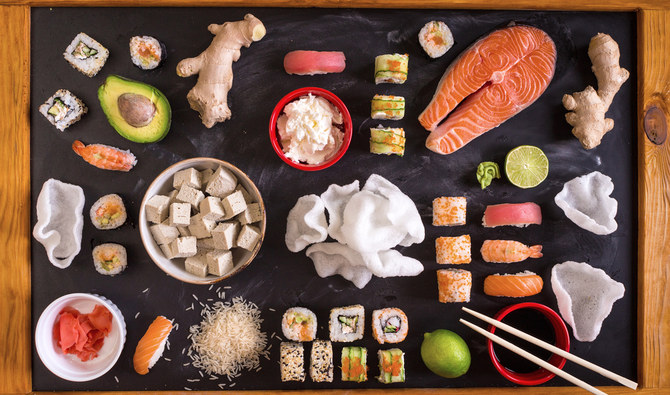
JEDDAH: There are no two ways about it: Saudi Arabia loves Japanese food. From deep-fried, inauthentic sushi rolls to the most delicate cuts of ootoro and salmon sashimi, you can find them all in the Kingdom.
Despite the popularity of Japanese cuisine, the availability of original ingredients in Saudi markets is sorely lacking, forcing enthusiasts of Japanese food to turn to restaurants for their fix.
While some ingredients — such as sushi rice, tofu and kombu — are available on and off, other ingredients such as wakame seaweed, bonito flakes and kewpie mayonnaise are much harder — if not impossible — to find.
Noura Alajmi, a home cook who often makes sushi, tempura and other delicacies, said she thinks the ingredients are not readily available because of Japanese food’s reputation for being hard to make.
“I wouldn’t call it difficult, I’d call it finicky maybe. It requires dedication and patience to make good Japanese food. But it’s not impossible, it’s doable,” she said.
Alajmi hopes to see miso paste, kombu, bonito flakes and other ingredients on Saudi supermarket shelves soon.
“I think there’s a market for it. People here love Japanese food, and home cooking is so in right now,” she said.
“But more than anything, I want Japanese ingredients in Saudi supermarkets so I can stop ordering them online and paying ridiculous shipping prices.”
The Kingdom’s history with Japanese food goes way back. In October 1985, Tokyo became the first Japanese restaurant in Saudi Arabia.
A favorite of many a Japanese ambassador, and widely known to serve the most authentic Japanese food in the Kingdom, Tokyo was the go-to place for Japanese food in Saudi Arabia.
But Japanese and Japanese-fusion restaurants have popped up all over the Kingdom, from quick and easy options such as Sushi Yoshi, Mee So Hungry and Samurai, to more sophisticated (and expensive) options such as Shogun, Okku and Nozomi.
Japanese food is just as popular elsewhere in the Gulf. Chef Masaharu Morimoto owns two restaurants in the Middle East: Morimoto Dubai and Morimoto Doha.
Chef Nobuyuki Matsuhisa, otherwise known as Nobu, also has two restaurants in Dubai and Doha. Rocky Aoki’s famous Benihana has an outlet in Kuwait and in Riyadh.
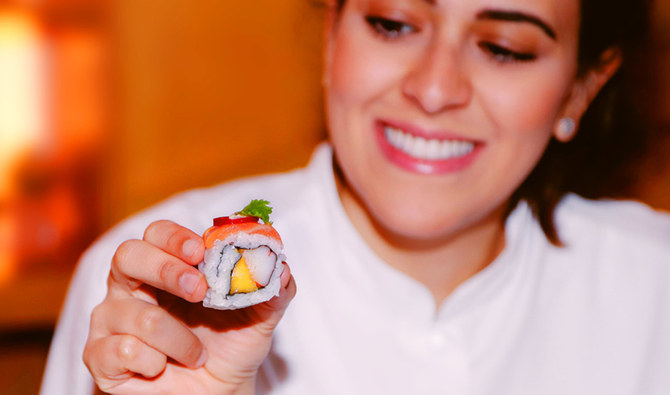
Saudi Arabia even boasts a local sushi expert. Chef Khulood Olaqi, who is famous for her home-based business turned gourmet sushi restaurant, is renowned for being the first Saudi woman to open her own restaurant and run the kitchen herself.
Passionate home cooks aside, even restaurants sometimes have a hard time finding authentic Japanese ingredients in the region, often having to resort to local alternatives.
Akio Hayakawa, director of Fujiya restaurant in Dubai, said they work hard to ensure that most of what they use in the kitchen is sourced directly from Japan.
He does resort to using some locally sourced items, but insists the food’s authenticity stays the same.
“We wanted to bring more authentic Japanese food to Dubai, but we have to adjust sometimes, like the soy sauce we use in Japan, for example. So we have to search for suitable alternatives,” he said.
Hayakawa lucked out, finding a local supplier for wagyu beef. But Olaqi — who often has to resort to frozen hamachi fish and tuna, and is still hunting for bonito flakes at her local supermarkets — has not found her golden ticket yet.
“There are so many ingredients that we don’t have: Bonito, wakame seaweed, yuzukosho, just to name a few. We can mostly make do with what’s available, but we need more options,” she said.
“I’d love to serve fresh ootoro. If I could find a supplier who could guarantee me fresh tuna, decently priced, I’d be so happy.”


![]()
![]()

Tempura or teriyaki, Saudis crave Japanese food
Short Url
https://arab.news/652mb
Tempura or teriyaki, Saudis crave Japanese food
- Popularity ofJapanese cuisine is growing with many fusion-food restaurants popping up across the Kingdom
- Not many original Japanese ingredients can be found, forcing enthusiasts to turn to restaurants


Latest updates


Recommended


© 2026 SAUDI RESEARCH & PUBLISHING COMPANY, All Rights Reserved And subject to Terms of Use Agreement.